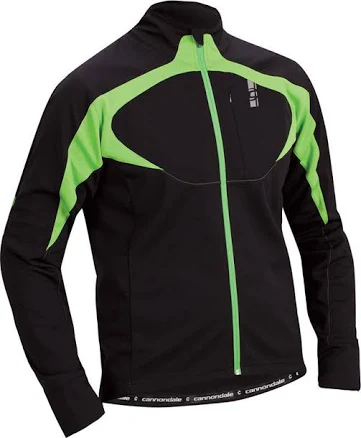
Cannondale · Cycling Rain Jackets
Cannondale BLAZE PLUS JACKET Black - 2M350/BLK Small
Unknown water-repellent coating chemistry; Cannondale does not disclose PFAS use.
Cannondale's Blaze Plus is a waterproof jacket using undisclosed water-repellent coating treatment. Brand provides no PFAS transparency; traditional water-repellent coating often contains legacy PFAS.
Still want this one anyway? Check the price on Amazon. We’d swap it.
Material
synthetic fabric blend with water-repellent coating (water-repellent coating) finish
Brand disclosure
Brand is silent on PFAS
Lab data
No public lab test
You may also be interested in
Top-graded picks in the categories readers replace first, every one scored on the same rubric.

- polypropylene filter housing, carbon/sediment cartridge
- We found no PFAS statement from the brand
- Bacterial growth in spent cartridges
3 hazards checked on this product, all on its full breakdown.

Aquasure
Premier Series 75 GPD Under Sink Reverse Osmosis Water Filtration System
- RO membrane, carbon filters, stainless steel housing
- We found no PFAS statement from the brand
- Bacterial and microbial growth in housing and filters
4 hazards checked on this product, all on its full breakdown.

Avocado
Vegan Mattress
- organic cotton, natural latex, coconut coir, recycled steel coils
- The brand calls it PFAS-free, which we have not verified
- Heavy metals
2 hazards checked on this product, all on its full breakdown.
What Cannondale BLAZE 2M350/BLK Small is made of, ingredients and materials
The Cannondale BLAZE PLUS is a synthetic fabric blend with a water-repellent coating (water-repellent coating) finish applied to the outer shell. water-repellent coating coatings are used to shed water without heavy waterproofing membranes, but the specific chemistry matters, most conventional water-repellent coating finishes historically relied on fluorinated compounds (PFAS), though some brands have shifted to alternative chemistries in recent years. Cannondale does not publicly disclose whether this jacket uses fluorinated or fluorine-free water-repellent coating, which creates uncertainty about the specific chemical exposure profile.
What’s concerning
Waterproof / stain-resistant treatment
Water-repellent coating treatments have historically used PFAS.
Category baseline
The starting point for this type of product, before anything specific to this product is counted.
No PFAS disclosure
No public statement from the brand about PFAS in this product.
Formaldehyde / VOCs
Synthetic fabric blends often contain formaldehyde-based finishing resins for wrinkle resistance or sizing. Cannondale does not disclose resin type; residual formaldehyde is not regulated in finished apparel in most markets, though repeated washing typically reduces exposure over time.
Source, ATSDR ↗Azo dyes in black colorant
Black synthetic fabrics commonly use azo dyes, some of which break down into banned aromatic amines. EU regulations restrict these, but the US has no equivalent restriction. No recall or test data on record for this specific Cannondale product, but the hazard class is routine in dark-colored synthetic apparel.
water-repellent coating degradation and leachables
Fluorinated water-repellent coating coatings are documented to leach during washing, especially in the first few washes. Since Cannondale does not disclose its water-repellent coating chemistry, you cannot assess whether this jacket uses legacy fluorinated chemistry or newer alternatives; this is a key information gap.
Synthetic microfiber shedding
Synthetic fabric blends shed microfibers during wear and washing. The jacket's coating may accelerate this by creating a brittle surface layer as it degrades. No product-specific data, but typical for synthetic outerwear.
What’s reassuring
Heavy metals
Cannondale apparel is not known to have been tested or flagged for heavy metal contamination in dyes or pigments. Synthetic textiles are lower risk than ceramics, but no active certification program from the brand rules out this hazard class entirely.
Source, FDA ↗How is this PFAS grade calculated?
The brand's record and disclosure
Cannondale (owned by Dorel Sports) has not published transparent information about PFAS use in apparel or water-repellent coating chemistry across its product lines. The brand does not appear on lists of companies with established fluorine-free or PFAS-restriction commitments. This silence makes it impossible to verify whether the water-repellent coating finish on this jacket meets emerging chemical safety standards or relies on legacy fluorinated chemistry.
How it compares in its category
Outdoor apparel with water-repellent coating finishes occupies a middle ground in textile safety, they avoid toxic solvent-heavy waterproofing membranes but introduce coating chemistry concerns. Competitors like Patagonia and Arc'teryx have committed to phasing out fluorinated water-repellent coating and disclose alternatives; Cannondale's silence suggests either continued use of conventional chemistry or lack of supply-chain visibility. This jacket is average for cycling brands, not exceptional for chemical transparency.
If you buy it
Wash separately in cold water with mild detergent to minimize leaching of coating chemicals into household water. Avoid heat drying; air dry only, as high temperatures can accelerate water-repellent coating degradation and potentially release volatile components. Replace the jacket if the water-repellent coating noticeably fails (water no longer beads on the fabric), as re-treating with aftermarket water-repellent coating products introduces another unknown chemical variable. Do not dry clean, as solvents can strip and degrade synthetic coatings unpredictably.
What is not known about PFAS in this product?
- Basis
- Model estimate, 35% confidence, not a lab result
- Lab test
- None on record for this exact product
- Brand statement
- Cannondale has made none
Formulations change between production runs, so check the current label. How we grade.
What are the PFAS-free alternatives to Cannondale BLAZE PLUS JACKET Black - 2M350/BLK Small?
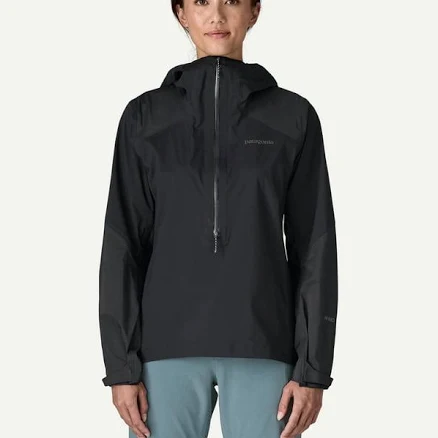
- polyester shell with water-repellent coating finish
- The brand calls it PFAS-free, which we have not verified
- Azo dyes and color fastness
4 hazards checked on this product, all on its full breakdown.
Find an alternative on Amazon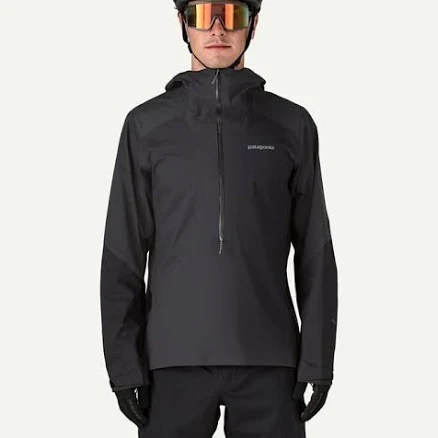
- nylon/polyester with water-repellent coating water treatment
- The brand calls it PFAS-free, which we have not verified
- PFAS
3 hazards checked on this product, all on its full breakdown.
Find an alternative on Amazon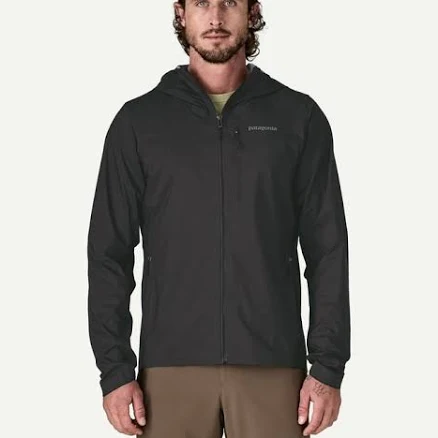
- Nylon with water-repellent coating water-repellent coating finish
- The brand calls it PFAS-free, which we have not verified
- water-repellent coating chemistry opacity (fluorinated vs. non-fluorinated)
3 hazards checked on this product, all on its full breakdown.
Find an alternative on AmazonMore cycling rain jackets grades
How we score, every product runs through the same public 0-100 rubric based on materials, coatings, brand disclosure, lab findings, and recalls. See the full methodology → Spotted a mistake? Report an error.