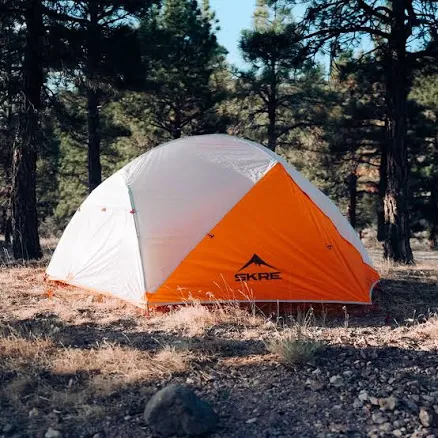
Cascade Tent
Avoid until the brand discloses water-repellent coating chemistry; waterproof tent coatings frequently contain PFAS.
The Cascade Tent features polyester or nylon with a water-repellent coating of unknown composition. Keeps their water-repellent coating chemistry private, and modern coatings vary widely without independent testing.
Still want this one anyway? Check the price on Amazon. We’d swap it.
Material
Polyester/nylon with waterproof water-repellent coating (type unspecified)
Brand disclosure
Brand is silent on PFAS
Lab data
No public lab test
You may also be interested in
Top-graded picks in the categories readers replace first, every one scored on the same rubric.

- polypropylene filter housing, carbon/sediment cartridge
- We found no PFAS statement from the brand
- Bacterial growth in spent cartridges
3 hazards checked on this product, all on its full breakdown.

Aquasure
Premier Series 75 GPD Under Sink Reverse Osmosis Water Filtration System
- RO membrane, carbon filters, stainless steel housing
- We found no PFAS statement from the brand
- Bacterial and microbial growth in housing and filters
4 hazards checked on this product, all on its full breakdown.

Avocado
Vegan Mattress
- organic cotton, natural latex, coconut coir, recycled steel coils
- The brand calls it PFAS-free, which we have not verified
- Heavy metals
2 hazards checked on this product, all on its full breakdown.
What Cascade Tent is made of, ingredients and materials
Cascade tents use polyester or nylon fabrics treated with a water-repellent coating (water-repellent coating) coating to shed water. The specific water-repellent coating chemistry is not disclosed by the brand. Waterproof coatings on camping tents commonly contain fluorinated compounds (PFAS) to achieve water and stain resistance, though non-fluorinated alternatives exist. The polyester/nylon substrate itself is not inherently hazardous, but degradation of the coating over years of UV exposure and wear can compromise both performance and potentially alter leachate properties.
What’s concerning
Category baseline
The starting point for this type of product, before anything specific to this product is counted.
No PFAS disclosure
No public statement from the brand about PFAS in this product.
Waterproof / stain-resistant treatment
Water-repellent coating treatments have historically used PFAS.
water-repellent coating composition (unspecified, likely fluorinated)
The brand does not disclose water-repellent coating type. Fluorinated water repellents (PFAS-based) are standard in the tent industry and persist in the environment and bioaccumulate. Graded separately as PFAS but relevant to overall chemical load.
Microplastic shedding from coating degradation
Over years of use, water-repellent coating coatings can flake or shed, particularly at seams and abrasion zones. If the coating contains Teflon-family coating, shedding releases fine particles that may be inhaled or ingested during setup/use, though quantification in field conditions is not well documented for consumer tents.
Volatile organic compounds (VOCs) off-gassing (new tent)
New Cascade tents may emit low levels of VOCs from adhesives, coatings, and dyes during the first few days or weeks. This is not unique to Cascade and typically dissipates with airing. Individuals with chemical sensitivity may experience mild irritation in enclosed tents with poor ventilation.
What’s reassuring
Heavy metals
No recalls or published tests have identified heavy metal residues (lead, cadmium, chromium) in Cascade tent fabrics. Polyester and nylon can be dyed with azo or heavy-metal-based colorants in low-cost manufacturing, but the brand' production standards are not documented to suggest elevated risk.
Source, FDA ↗Formaldehyde / VOCs
Polyester and nylon tents do not typically require formaldehyde-releasing finishes (unlike cotton or cellulose textiles). No public evidence suggests Cascade uses formaldehyde resins; this hazard is not a material concern for this product class.
Source, ATSDR ↗How is this PFAS grade calculated?
The brand's record and disclosure
The brand does not publicly disclose water-repellent coating chemistry or commit to PFAS-free coatings on its tent products. No major safety recalls specific to chemical hazards in Cascade tents are on public record. The brand has not obtained third-party certifications (such as bluesign or GOTS) that would verify chemical restrictions. This silence on water-repellent coating composition is consistent with the broader outdoor industry, where PFAS-based water repellents remain the industry standard.
How it compares in its category
Most mainstream camping tents (Big Agnes, REI Co-op, Coleman, Marmot) rely on undisclosed or fluorinated water-repellent coating coatings; Cascade tents are typical in this regard. A small number of brands (e.g.Hyperlite Mountain Gear and some cottage manufacturers use or are developing water-repellent finishes reported as not containing intentionally added PFAS, though these remain niche and often command higher prices. Cascade tents are competitively designed and durable; the hazard profile is category-standard, not uniquely worse.
If you buy it
Inspect the tent regularly for coating wear, peeling, or flaking, especially at seams and high-stress areas; degradation may release fine particles and reduce waterproofing. Avoid machine washing; hand-clean with plain water and mild soap only, and air-dry away from direct heat or UV. Do not store wet or in sunlight for extended periods, as this accelerates coating breakdown. If you are concerned about PFAS or fluorinated coatings, contact directly to request water-repellent coating documentation; purchasing a tent with known PFAS-free coating (if available) is a lower-risk alternative.
What is not known about PFAS in this product?
- Basis
- Model estimate, 35% confidence, not a lab result
- Lab test
- None on record for this exact product
- Brand statement
- has made none
Formulations change between production runs, so check the current label. How we grade.
More camping tents & tarps grades
How we score, every product runs through the same public 0-100 rubric based on materials, coatings, brand disclosure, lab findings, and recalls. See the full methodology → Spotted a mistake? Report an error.