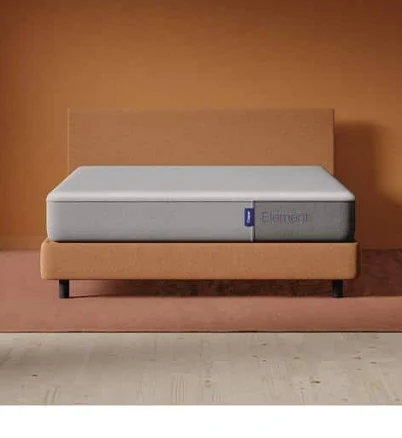
Casper Element Mattress, Is It Non-Toxic?
Lower PFAS concern for standard foam mattress, though Casper provides no public PFAS disclosure.
The Element mattress uses conventional polyurethane foam and textile construction without known water-repellent or stain-resistance treatments that typically introduce PFAS. Casper has not publicly disclosed PFAS testing or made PFAS-free claims.
We flunk more products than we pass. This one earned its grade. How we grade
Material
Polyester/cotton blend cover, polyurethane foam core
Brand disclosure
Brand is silent on PFAS
Lab data
No public lab test
You may also be interested in
Top-graded picks in the categories readers replace first, every one scored on the same rubric.

- polypropylene filter housing, carbon/sediment cartridge
- We found no PFAS statement from the brand
- Bacterial growth in spent cartridges
3 hazards checked on this product, all on its full breakdown.

Aquasure
Premier Series 75 GPD Under Sink Reverse Osmosis Water Filtration System
- RO membrane, carbon filters, stainless steel housing
- We found no PFAS statement from the brand
- Bacterial and microbial growth in housing and filters
4 hazards checked on this product, all on its full breakdown.
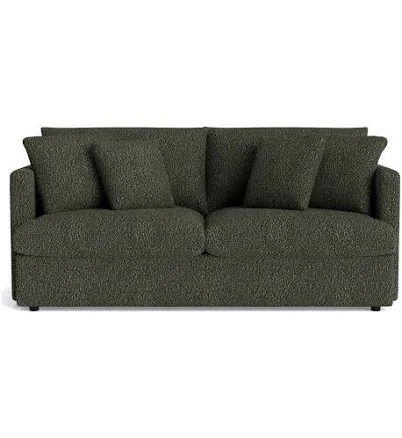
- polyurethane foam
- We found no PFAS statement from the brand
- Volatile Organic Compound (VOC) Off-Gassing
4 hazards checked on this product, all on its full breakdown.
Is Casper Element Mattress non-toxic? What it is made of
The Casper Element uses a polyester-cotton blend cover over a polyurethane foam core. Polyurethane foam can off-gas volatile organic compounds (VOCs) in the first days to weeks after purchase, though this typically dissipates quickly in well-ventilated spaces. The polyester-cotton blend cover itself is not a known primary source of chemical leaching during normal use. No cadmium, lead, or other heavy metals are standard in this material class.
What’s concerning
Category baseline
The starting point for this type of product, before anything specific to this product is counted.
No PFAS disclosure
No public statement from the brand about PFAS in this product.
VOC off-gassing from polyurethane foam
New polyurethane foam mattresses commonly emit VOCs (formaldehyde, benzene, toluene) for hours to weeks after unboxing. The Casper Element is not exceptional in this regard; severity depends on room ventilation and individual sensitivity. Off-gassing is typically mild and temporary but can cause headache or respiratory irritation in poorly ventilated spaces.
Flame retardants
US federal flammability standards require mattress covers to resist ignition; manufacturers typically meet this with physical barriers or chemical treatments. Casper does not disclose the flame retardant method used in the Element. Risk is low for normal use but unknown chemical composition remains a transparency gap.
Source, EPA ↗Dust mite and mold accumulation over time
Not a chemical hazard but a hygiene concern, any mattress can harbor dust mites and mold if exposed to moisture or not aired regularly. Use a waterproof protector and maintain dry storage conditions to minimize this biological risk.
What’s reassuring
Base material not linked to PFAS
The main material recorded for this product is not one associated with PFAS.
Polyester cover degradation and fiber shedding
No documented safety risk specific to the Casper Element. Over many years of use, polyester-cotton blends may pill or shed fibers, but this does not create a chemical hazard. Washing or wiping the cover periodically prevents accumulation.
Formaldehyde / VOCs
Polyester-cotton covers and polyurethane foam are not typical sources of formaldehyde in finished mattresses under normal use. Casper provides no test data to confirm absence, but no recalls or complaints on record for this product class.
Source, ATSDR ↗How is this PFAS grade calculated?
The brand's record and disclosure
Casper has no published PFAS transparency statement or third-party chemical disclosure for the Element mattress as of public record. The brand has not faced major product safety recalls or chemical controversies with wide documentation. Casper does not advertise certifications like GOTS (organic) or Oeko-Tex for the Element line, which limits independent verification of chemical inputs.
How it compares in its category
The Element is a budget-friendly foam mattress; it sits below Casper's premium lines and lacks the organic or certified-clean positioning of brands like Avocado or Helix Wedge. Most direct competitors (Tuft & Needle, Leesa, Purple) similarly use polyurethane cores and synthetic covers without extensive chemical disclosure. For the price tier, chemical safety documentation is generally sparse across the category.
If you buy it
Unbox and air out the mattress in a well-ventilated room for 24-72 hours to allow VOC off-gassing to subside. Use a washable mattress protector or barrier if chemical sensitivity is a concern. Avoid exposing the mattress to direct heat sources, prolonged sunlight, or moisture, as these can degrade the foam and cover. Replace the mattress every 7-10 years, as polyurethane foam naturally compresses and loses support over time.
What is not known about PFAS in this product?
- Basis
- Model estimate, 72% confidence, not a lab result
- Lab test
- None on record for this exact product
- Brand statement
- Casper has made none
Formulations change between production runs, so check the current label. How we grade.
What are the PFAS-free alternatives to Casper Element Mattress?

Avocado
Vegan Mattress
- organic cotton, natural latex, coconut coir, recycled steel coils
- The brand calls it PFAS-free, which we have not verified
- Heavy metals
2 hazards checked on this product, all on its full breakdown.
- natural latex, organic cotton cover
- A third party reports verifying it as PFAS-free
- Natural latex allergy (contact/respiratory)
3 hazards checked on this product, all on its full breakdown.
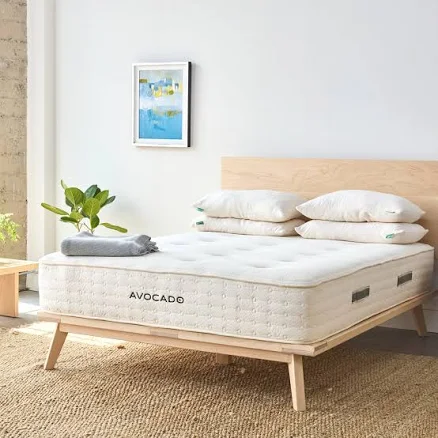
Avocado
Organic Hybrid Mattress
- organic cotton, natural latex, wool, innerspring coils
- We found no PFAS statement from the brand
- Volatile Organic Compound (VOC) off-gassing
3 hazards checked on this product, all on its full breakdown.
More mattresses grades
How we score, every product runs through the same public 0-100 rubric based on materials, coatings, brand disclosure, lab findings, and recalls. See the full methodology → Spotted a mistake? Report an error.