HD Mattress, Is It Non-Toxic?
Skip until brand discloses PFAS testing or certifications.
Saatva HD Mattress contains foam and fabric cover with no public PFAS disclosure or third-party verification. Standard mattress construction raises typical PFAS concerns in foam and flame retardant treatments.
We flunk more products than we pass. This one earned its grade. How we grade
Material
foam, cotton/polyester cover, steel springs
Brand disclosure
Brand is silent on PFAS
Lab data
No public lab test
You may also be interested in
Top-graded picks in the categories readers replace first, every one scored on the same rubric.

- polypropylene filter housing, carbon/sediment cartridge
- We found no PFAS statement from the brand
- Bacterial growth in spent cartridges
3 hazards checked on this product, all on its full breakdown.

Aquasure
Premier Series 75 GPD Under Sink Reverse Osmosis Water Filtration System
- RO membrane, carbon filters, stainless steel housing
- We found no PFAS statement from the brand
- Bacterial and microbial growth in housing and filters
4 hazards checked on this product, all on its full breakdown.
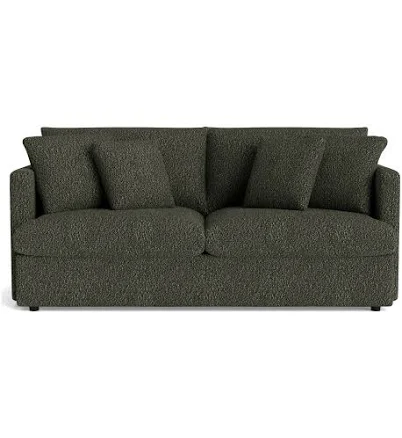
- polyurethane foam
- We found no PFAS statement from the brand
- Volatile Organic Compound (VOC) Off-Gassing
4 hazards checked on this product, all on its full breakdown.
Is HD Mattress non-toxic? What it is made of
The Saatva HD combines polyurethane foam (core support layers), cotton/polyester blend cover fabric, and steel coil springs. Polyurethane foam can off-gas volatile organic compounds (VOCs) during the first weeks after manufacture; the cotton/polyester cover may contain residual formaldehyde from finishing treatments used in textile production. Steel springs themselves pose no chemical hazard but the foam's long-term durability and dust accumulation depend on cover integrity and ventilation.
What’s concerning
Category baseline
The starting point for this type of product, before anything specific to this product is counted.
No PFAS disclosure
No public statement from the brand about PFAS in this product.
VOC off-gassing from polyurethane foam
Polyurethane foam in mattresses can release volatile organic compounds during the first few weeks; intensity depends on foam density and manufacturing process. No recall or widespread complaint linked to Saatva HD, but unaired mattresses may cause mild headache or respiratory irritation in sensitive individuals.
Formaldehyde / VOCs
Textile finishing processes often use formaldehyde-based resins to set dyes and improve wrinkle resistance. Saatva does not specify whether the HD cover meets OEKO-TEX 100 or similar formaldehyde limits; residue levels are typically below regulated thresholds but not verified here.
Source, ATSDR ↗Dust mite and mold accumulation in cover seams
Cotton/polyester blends absorb moisture and can trap dust and allergens, especially in seams and under mattress protectors. This is a maintenance concern rather than a manufacturing hazard; regular vacuuming and protector washing mitigate risk.
What’s reassuring
Base material not linked to PFAS
The main material recorded for this product is not one associated with PFAS.
Azo dyes in cover fabric
No public record indicates Saatva sources covers with restricted azo dyes that release carcinogenic amines, but lack of certification (GOTS, OEKO-TEX) means this has not been tested independently.
Steel spring rust or corrosion releasing iron
Saatva HD springs are typically coated or galvanized; no reported corrosion issues. This is a durability concern only if cover is repeatedly wet or mattress is stored in high-humidity environments without protection.
How is this PFAS grade calculated?
The brand's record and disclosure
Saatva does not publicly disclose PFAS testing results or certifications (CertiPUR-US, GOTS, or OEKO-TEX) for the HD model based on available information. The brand has not issued statements addressing flame retardants, formaldehyde limits, or heavy metals in dyes. Without third-party certification visible on product pages, transparency on chemical content remains limited.
How it compares in its category
Mid-range innerspring mattresses commonly use untested polyurethane foam and polyester-dominant covers; certified alternatives (Avocado, Helix with CertiPUR-US, or GOTS-certified covers) offer documented limits on VOCs and formaldehyde. The HD's price point and hybrid construction are typical for this segment, but competitors often highlight certifications that Saatva does not emphasize for this model.
If you buy it
Unbox and air the mattress in a well-ventilated room for 48-72 hours to allow initial off-gassing to dissipate. Use a breathable mattress protector to reduce dust and moisture accumulation inside the foam. Spot-clean the cover with mild detergent and avoid prolonged heat exposure (electric blankets on high settings). If you have chemical sensitivities or respiratory concerns, contact Saatva directly to request Material Safety Data Sheets or third-party test reports before purchasing.
What is not known about PFAS in this product?
- Basis
- Model estimate, 65% confidence, not a lab result
- Lab test
- None on record for this exact product
- Brand statement
- Saatva has made none
Formulations change between production runs, so check the current label. How we grade.
What are the PFAS-free alternatives to HD Mattress?

Avocado
Vegan Mattress
- organic cotton, natural latex, coconut coir, recycled steel coils
- The brand calls it PFAS-free, which we have not verified
- Heavy metals
2 hazards checked on this product, all on its full breakdown.
- natural latex, organic cotton cover
- A third party reports verifying it as PFAS-free
- Natural latex allergy (contact/respiratory)
3 hazards checked on this product, all on its full breakdown.
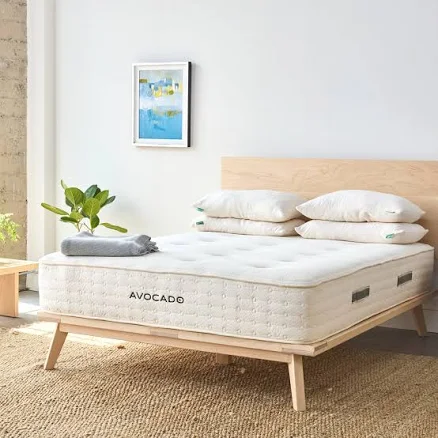
Avocado
Organic Hybrid Mattress
- organic cotton, natural latex, wool, innerspring coils
- We found no PFAS statement from the brand
- Volatile Organic Compound (VOC) off-gassing
3 hazards checked on this product, all on its full breakdown.
More mattresses grades
How we score, every product runs through the same public 0-100 rubric based on materials, coatings, brand disclosure, lab findings, and recalls. See the full methodology → Spotted a mistake? Report an error.