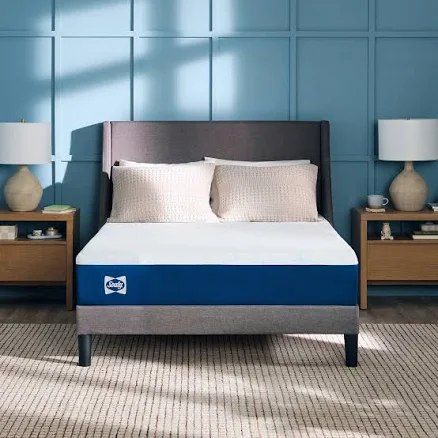
Sealy Memory Foam Mattress, Is It Non-Toxic?
Lower PFAS concern than coated or treated products, though contact retailer to confirm materials if PFAS-concerned.
Sealy's memory foam mattress uses polyurethane foam and standard fabric covers, materials not inherent PFAS sources lacking the durability treatments common in water-resistant textiles. Sealy makes no public PFAS statements and holds no major third-party certifications, leaving supply-chain transparency unclear.
We flunk more products than we pass. This one earned its grade. How we grade
Material
Polyurethane memory foam, fabric cover (cotton/polyester blend typically)
Brand disclosure
Brand is silent on PFAS
Lab data
No public lab test
You may also be interested in
Top-graded picks in the categories readers replace first, every one scored on the same rubric.

- polypropylene filter housing, carbon/sediment cartridge
- We found no PFAS statement from the brand
- Bacterial growth in spent cartridges
3 hazards checked on this product, all on its full breakdown.

Aquasure
Premier Series 75 GPD Under Sink Reverse Osmosis Water Filtration System
- RO membrane, carbon filters, stainless steel housing
- We found no PFAS statement from the brand
- Bacterial and microbial growth in housing and filters
4 hazards checked on this product, all on its full breakdown.
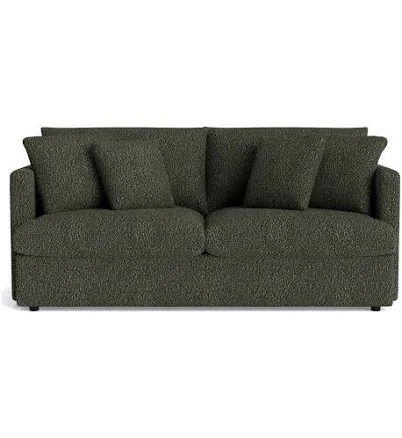
- polyurethane foam
- We found no PFAS statement from the brand
- Volatile Organic Compound (VOC) Off-Gassing
4 hazards checked on this product, all on its full breakdown.
Is Sealy Memory Foam Mattress non-toxic? What it is made of
Sealy memory foam mattresses use polyurethane-based memory foam as the core comfort layer, typically bonded to a cotton/polyester blend fabric cover. Polyurethane foam itself is chemically inert once cured, but off-gassing of residual volatile organic compounds (VOCs) is common in the first weeks after manufacturing and shipping. The fabric cover may contain synthetic dyes, finishes, or flame-retardant treatments applied during production, though specifics vary by model line and are not disclosed publicly by Sealy.
What’s concerning
Category baseline
The starting point for this type of product, before anything specific to this product is counted.
No PFAS disclosure
No public statement from the brand about PFAS in this product.
VOC off-gassing from polyurethane foam
New polyurethane foam mattresses commonly release trace amounts of VOCs (such as toluene and other solvents) in the first 1 to 4 weeks. Sealy does not publicly disclose off-gassing test results or limits; ventilation during this period is the primary mitigation.
Synthetic dyes and finish chemicals in fabric cover
Cotton/polyester blend covers may be treated with disperse dyes, sizing agents, or non-durable finishes during manufacture. Sealy does not specify dye standards or finish composition; risk is low for skin contact when used with standard bedding, but cover washing before first use can reduce residues.
Flame retardants
US federal fire safety standards (16 CFR 1633) do not mandate flame retardants in mattress foams, but some manufacturers apply them. Sealy does not publicly confirm or exclude flame-retardant chemistry in memory foam; no hazard class data or recalls suggest widespread concern, but formulation specifics remain undisclosed.
Source, EPA ↗Microbial growth if moisture accumulates
Polyurethane foam can absorb moisture and support mold or bacterial growth in persistently damp environments (high humidity, water spills). This is an environmental management issue rather than a material hazard; proper ventilation and moisture control mitigate risk.
What’s reassuring
Base material not linked to PFAS
The main material recorded for this product is not one associated with PFAS.
Polyurethane foam degradation over time
Well-maintained polyurethane foam does not typically degrade into toxic byproducts during normal home use over 5 to 10 years. No established evidence links Sealy memory foam mattresses to secondary chemical release as the foam ages.
How is this PFAS grade calculated?
The brand's record and disclosure
Sealy, owned by Tempur Sealy International, has a long commercial history but maintains minimal public disclosure on material sourcing or chemical use in finished mattresses. The brand does not publish third-party certifications (such as CertiPUR-US for foam or GOTS for textiles) in most product listings, though some models may qualify. No major recalls or public health controversies specific to chemical hazards in Sealy memory foam mattresses are on record; the company has not faced documented legal action or regulatory findings related to mattress off-gassing or harmful additives.
How it compares in its category
Memory foam mattresses as a category are considered lower-risk for chemical hazards compared to older polyvinyl chloride (PVC) or heavily flame-retardant-treated innerspring models. Sealy's transparency and certification practices lag behind premium competitors (e.g., Avocado, Helix) that market CertiPUR-US or organic certifications explicitly, but the actual chemical risk profile is broadly similar across mainstream foam mattress brands. Budget and mid-range competitors often provide comparable or less disclosure than Sealy.
If you buy it
Air out the mattress in a well-ventilated room (or outdoors if possible) for 24 to 72 hours after unboxing to allow VOC off-gassing to diminish. Use a removable, washable mattress protector to reduce contact with cover dyes and finishes, and launder it regularly. Avoid exposing the foam to prolonged direct heat or sunlight, which can accelerate degradation of the polyurethane structure. Rotate or flip the mattress (if the model allows it) every 3 to 6 months to extend lifespan and reduce localized compression zones.
What is not known about PFAS in this product?
- Basis
- Model estimate, 68% confidence, not a lab result
- Lab test
- None on record for this exact product
- Brand statement
- Sealy has made none
Formulations change between production runs, so check the current label. How we grade.
What are the PFAS-free alternatives to Sealy Memory Foam Mattress?

Avocado
Vegan Mattress
- organic cotton, natural latex, coconut coir, recycled steel coils
- The brand calls it PFAS-free, which we have not verified
- Heavy metals
2 hazards checked on this product, all on its full breakdown.
- natural latex, organic cotton cover
- A third party reports verifying it as PFAS-free
- Natural latex allergy (contact/respiratory)
3 hazards checked on this product, all on its full breakdown.
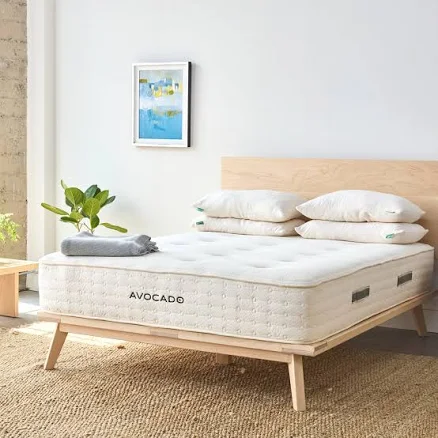
Avocado
Organic Hybrid Mattress
- organic cotton, natural latex, wool, innerspring coils
- We found no PFAS statement from the brand
- Volatile Organic Compound (VOC) off-gassing
3 hazards checked on this product, all on its full breakdown.
More mattresses grades
How we score, every product runs through the same public 0-100 rubric based on materials, coatings, brand disclosure, lab findings, and recalls. See the full methodology → Spotted a mistake? Report an error.