Loom & Leaf Memory Foam Mattress, Is It Non-Toxic?
Uncertain PFAS risk. Saatva discloses nothing about forever chemicals.
Loom and Leaf mattresses use memory foam and polyurethane, materials that typically do not contain PFAS unless treated. Saatva provides no public disclosure about PFAS or flame-retardant chemistry, limiting confidence.
We flunk more products than we pass. This one earned its grade. How we grade
Material
Memory foam, polyurethane core, fabric cover
Brand disclosure
Brand is silent on PFAS
Lab data
No public lab test
You may also be interested in
Top-graded picks in the categories readers replace first, every one scored on the same rubric.

- polypropylene filter housing, carbon/sediment cartridge
- We found no PFAS statement from the brand
- Bacterial growth in spent cartridges
3 hazards checked on this product, all on its full breakdown.

Aquasure
Premier Series 75 GPD Under Sink Reverse Osmosis Water Filtration System
- RO membrane, carbon filters, stainless steel housing
- We found no PFAS statement from the brand
- Bacterial and microbial growth in housing and filters
4 hazards checked on this product, all on its full breakdown.
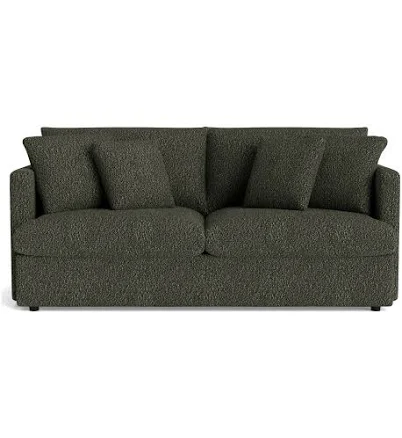
- polyurethane foam
- We found no PFAS statement from the brand
- Volatile Organic Compound (VOC) Off-Gassing
4 hazards checked on this product, all on its full breakdown.
Is Loom & Leaf Memory Foam Mattress non-toxic? What it is made of
The Loom & Leaf uses polyurethane memory foam as its core comfort layer, topped with a fabric cover over a polyurethane base. Polyurethane foams are petroleum-derived and are manufactured using chemical catalysts and blowing agents that can off-gas volatile organic compounds (VOCs) in the weeks and months after production. The fabric cover material composition (polyester, cotton blend, or synthetic) is not specified in public Saatva documentation, so fiber-specific hazards like formaldehyde resins or azo dyes cannot be assessed. Memory foam itself does not inherently contain PFAS, but manufacturing processes and soil-release or stain-resistance finishes on the cover fabric may introduce them without disclosure.
What’s concerning
Category baseline
The starting point for this type of product, before anything specific to this product is counted.
No PFAS disclosure
No public statement from the brand about PFAS in this product.
Volatile Organic Compound (VOC) off-gassing from polyurethane foam
Polyurethane memory foam mattresses consistently off-gas VOCs (benzene, toluene, dipropylene glycol) in the first 1-4 weeks post-manufacture. Saatva does not publish off-gassing test results (e.g., ISO 16000 emissions data), so off-gassing intensity for this specific model cannot be compared to certified alternatives.
Flame retardants
U.S. mattress flammability standards (16 CFR 1633) require flame barriers in memory foam mattresses. Saatva does not disclose whether the Loom & Leaf uses chemical flame retardants, mineral barriers, or barrier fabric composition, leaving the type and concentration of any flame retardant substances unknown.
Source, EPA ↗Formaldehyde / VOCs
The cover fabric composition is not detailed in public product specs, and no third-party textile certification (OEKO-TEX, GOTS) is listed. If the cover is synthetic or synthetic-cotton blend, it may contain formaldehyde-based shrink-resist finishes or fluorinated soil-repellent coatings without buyer disclosure.
Source, ATSDR ↗Microplastic shedding from foam degradation over time
Polyurethane foam breaks down mechanically with age and use, releasing microparticles into the sleep environment and indoor air. This is inherent to the material class; no specific manufacturing data for Loom & Leaf reduces this risk. Users with respiratory sensitivity may experience irritation as the mattress ages.
Lack of transparency on chemical inputs and sourcing
Saatva provides no detailed bill of materials, suppliers, or third-party emissions testing for the Loom & Leaf. This absence prevents independent verification of chemical safety and limits buyer recourse if undisclosed harmful substances are later identified.
What’s reassuring
Base material not linked to PFAS
The main material recorded for this product is not one associated with PFAS.
How is this PFAS grade calculated?
The brand's record and disclosure
Saatva has not publicly committed to third-party chemical certifications (such as OEKO-TEX, GOTS, or CERTIPUR-US) for the Loom & Leaf, nor does the brand disclose a full ingredient list or off-gassing testing protocol. The mattress carries no visible recall history related to chemical safety as of public record. Saatva markets sustainability and eco-friendly positioning but provides minimal transparency on flame retardant chemistry, polyurethane sourcing, or cover fabric treatment, leaving buyers unable to verify chemical safety claims.
How it compares in its category
Memory foam mattresses are standard in mid-range sleep products, but off-gassing intensity varies widely by manufacturing and ventilation controls. Competitors offering third-party certifications (Avocado, Helix, Tuft & Needle OEKO-TEX certified models) provide verifiable emission data; Saatva does not. The Loom & Leaf's price point ($700-1,200) sits between budget foams (higher VOC risk) and luxury certified foams, suggesting standard industrial polyurethane chemistry without added safety testing transparency.
If you buy it
Unbox the mattress in a well-ventilated room and allow it to off-gas for 48-72 hours before regular use; polyurethane VOCs peak during this window. Do not expose the mattress to temperatures above 140°F (60°C), as heat can accelerate foam degradation and off-gassing. Spot-clean the cover with mild soap and water only; avoid chemical treatments that may interact with cover fibers. Rotate the mattress every 3-6 months and replace after 7-10 years or if sagging exceeds 1.5 inches, as foam loses support over time and deteriorated foam increases particle shedding risk.
What is not known about PFAS in this product?
- Basis
- Model estimate, 55% confidence, not a lab result
- Lab test
- None on record for this exact product
- Brand statement
- Saatva has made none
Formulations change between production runs, so check the current label. How we grade.
What are the PFAS-free alternatives to Loom & Leaf Memory Foam Mattress?

Avocado
Vegan Mattress
- organic cotton, natural latex, coconut coir, recycled steel coils
- The brand calls it PFAS-free, which we have not verified
- Heavy metals
2 hazards checked on this product, all on its full breakdown.
- natural latex, organic cotton cover
- A third party reports verifying it as PFAS-free
- Natural latex allergy (contact/respiratory)
3 hazards checked on this product, all on its full breakdown.
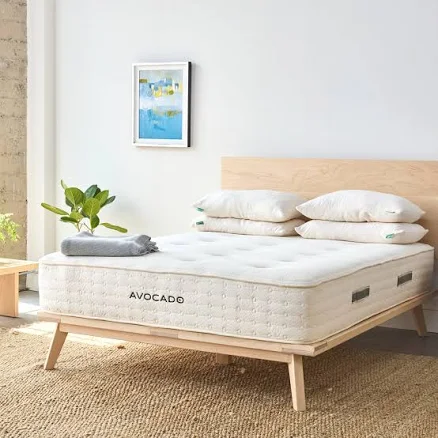
Avocado
Organic Hybrid Mattress
- organic cotton, natural latex, wool, innerspring coils
- We found no PFAS statement from the brand
- Volatile Organic Compound (VOC) off-gassing
3 hazards checked on this product, all on its full breakdown.
More mattresses grades
How we score, every product runs through the same public 0-100 rubric based on materials, coatings, brand disclosure, lab findings, and recalls. See the full methodology → Spotted a mistake? Report an error.