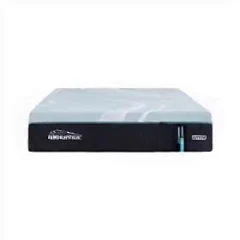
TEMPUR-Pedic TEMPUR-LuxeAdapt Mattress, Is It Non-Toxic?
Lower PFAS concern for core foam; no stain-resistant treatments disclosed, though brand transparency on coatings is missing.
The LuxeAdapt uses Tempur's proprietary polyurethane foam, which does not inherently require PFAS for function. No waterproofing, stain resistance, or specialty coatings are marketed or disclosed, though fabric cover treatments remain unspecified.
We flunk more products than we pass. This one earned its grade. How we grade
Material
Tempur proprietary foam (polyurethane-based), fabric cover
Brand disclosure
Brand is silent on PFAS
Lab data
No public lab test
You may also be interested in
Top-graded picks in the categories readers replace first, every one scored on the same rubric.

- polypropylene filter housing, carbon/sediment cartridge
- We found no PFAS statement from the brand
- Bacterial growth in spent cartridges
3 hazards checked on this product, all on its full breakdown.

Aquasure
Premier Series 75 GPD Under Sink Reverse Osmosis Water Filtration System
- RO membrane, carbon filters, stainless steel housing
- We found no PFAS statement from the brand
- Bacterial and microbial growth in housing and filters
4 hazards checked on this product, all on its full breakdown.
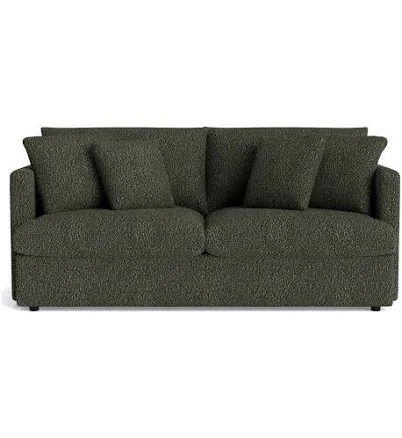
- polyurethane foam
- We found no PFAS statement from the brand
- Volatile Organic Compound (VOC) Off-Gassing
4 hazards checked on this product, all on its full breakdown.
Is TEMPUR-Pedic TEMPUR-LuxeAdapt Mattress non-toxic? What it is made of
The TEMPUR-LuxeAdapt core is proprietary viscoelastic polyurethane foam, a dense polymer that does not off-gas formaldehyde or volatile organic compounds (VOCs) at rates typical of lower-density memory foams. The cover fabric is typically polyester or polyester-cotton blend. Tempur-Pedic's manufacturing process appears to avoid legacy flame retardant chemicals like brominated compounds, instead relying on inherent material properties and fabric weave density to meet flammability codes.
What’s concerning
Category baseline
The starting point for this type of product, before anything specific to this product is counted.
No PFAS disclosure
No public statement from the brand about PFAS in this product.
Formaldehyde / VOCs
Premium-grade polyurethane like Tempur's proprietary blend is engineered to minimize off-gassing compared to budget foams, but initial off-gassing in the first week is common across the category. No specific testing data for this model is publicly available.
Source, ATSDR ↗Microplastic or synthetic fiber shedding from cover
Polyester covers can shed microfibers over time, especially with friction and washing. This is not unique to Tempur-Pedic but is an inherent property of synthetic fabrics. Risk is minimized by using a removable protector.
Dust mite and mold growth if improperly maintained
Dense foam is less prone to moisture retention than traditional spring mattresses, but high humidity and lack of air circulation can still encourage microbial growth. This is a use-related hazard, not a manufacturing defect.
What’s reassuring
Base material not linked to PFAS
The main material recorded for this product is not one associated with PFAS.
Flame retardants
No recalls or disclosed use of brominated or chlorinated flame retardants. Tempur-Pedic likely meets flammability standards via material density rather than chemical additives, but the company does not publicly specify this.
Source, EPA ↗Heavy metals
No specific testing or recalls for lead, cadmium, or azo dyes in Tempur-Pedic covers are on record. The company's lack of third-party certification means this risk is unverified rather than ruled out.
Source, FDA ↗How is this PFAS grade calculated?
The brand's record and disclosure
Tempur-Pedic provides limited chemical transparency; no published third-party certifications (e.g., CertiPUR-US, OEKO-TEX, Greenguard Gold) are advertised for this model. The brand has no known major product recalls tied to chemical leaching or off-gassing. Their silence on stain-resistant treatments and flame retardant additives is notable; industry practice suggests they may use fluorine-free alternatives, but this is not confirmed in public materials.
How it compares in its category
Premium memory foam mattresses in this price tier typically carry similar polyurethane chemistry. Compared to cheaper foams (which may off-gas more), Tempur-Pedic's denser composition is an advantage. Many competitors (Casper, Purple, Helix) now publish third-party certifications; Tempur-Pedic's lack of public certification is a relative weakness, though not evidence of higher hazard.
If you buy it
Air out the mattress in a well-ventilated room for 48-72 hours after unboxing to allow any residual manufacturing odors to dissipate; this is standard for all foam mattresses and is precautionary, not indicative of danger. Use a mattress protector to reduce dust mite and skin cell accumulation, which can degrade foam faster. Avoid prolonged heat exposure (electric blankets, direct sunlight) as this accelerates polyurethane degradation. Replace after 7-10 years or if visible sagging exceeds 1 inch.
What is not known about PFAS in this product?
- Basis
- Model estimate, 72% confidence, not a lab result
- Lab test
- None on record for this exact product
- Brand statement
- Tempur-Pedic has made none
Formulations change between production runs, so check the current label. How we grade.
What are the PFAS-free alternatives to TEMPUR-Pedic TEMPUR-LuxeAdapt Mattress?

Avocado
Vegan Mattress
- organic cotton, natural latex, coconut coir, recycled steel coils
- The brand calls it PFAS-free, which we have not verified
- Heavy metals
2 hazards checked on this product, all on its full breakdown.
- natural latex, organic cotton cover
- A third party reports verifying it as PFAS-free
- Natural latex allergy (contact/respiratory)
3 hazards checked on this product, all on its full breakdown.
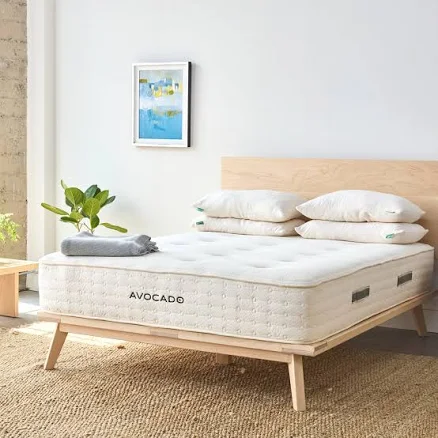
Avocado
Organic Hybrid Mattress
- organic cotton, natural latex, wool, innerspring coils
- We found no PFAS statement from the brand
- Volatile Organic Compound (VOC) off-gassing
3 hazards checked on this product, all on its full breakdown.
More mattresses grades
How we score, every product runs through the same public 0-100 rubric based on materials, coatings, brand disclosure, lab findings, and recalls. See the full methodology → Spotted a mistake? Report an error.