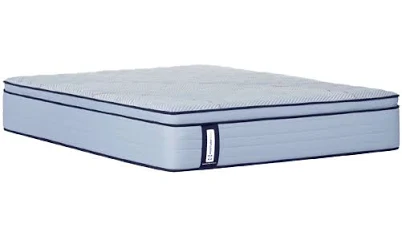
Sealy Posturepedic Medina II Wrapped Coil 14" Medium Euro Pillow Top Mattress, Is It Non-Toxic?
Lower concern with conventional materials, but Sealy makes no PFAS disclosures.
This model has steel coils, foam, and polyester fabric with no public PFAS treatment claims or certifications visible. Sealy hasn't published company PFAS policies or third-party testing for this model. Standard mattresses are generally lower-risk than water-resistant or stain-treated textiles.
We flunk more products than we pass. This one earned its grade. How we grade
Material
wrapped coil steel springs, foam, polyester cover
Brand disclosure
Brand is silent on PFAS
Lab data
No public lab test
You may also be interested in
Top-graded picks in the categories readers replace first, every one scored on the same rubric.

- polypropylene filter housing, carbon/sediment cartridge
- We found no PFAS statement from the brand
- Bacterial growth in spent cartridges
3 hazards checked on this product, all on its full breakdown.

Aquasure
Premier Series 75 GPD Under Sink Reverse Osmosis Water Filtration System
- RO membrane, carbon filters, stainless steel housing
- We found no PFAS statement from the brand
- Bacterial and microbial growth in housing and filters
4 hazards checked on this product, all on its full breakdown.
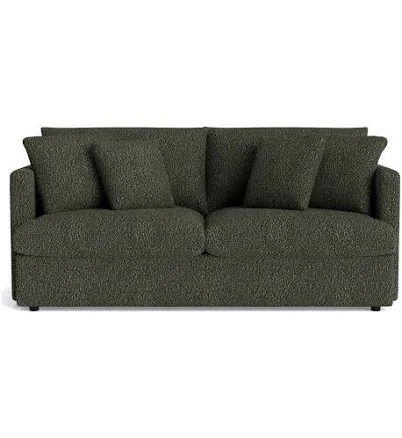
- polyurethane foam
- We found no PFAS statement from the brand
- Volatile Organic Compound (VOC) Off-Gassing
4 hazards checked on this product, all on its full breakdown.
Is Sealy Posturepedic Medina II Top Mattress non-toxic? What it is made of
The Medina II uses wrapped coil steel springs (a durable, non-toxic core), layered with polyurethane foam comfort layers, and a polyester-blend cover. Steel springs do not leach; polyurethane foam is stable when intact and not heated. The polyester cover is the primary off-gassing vector, though modern polyester typically emits minimal volatile organic compounds (VOCs) after the factory cure period. The 'pillow top' construction adds a quilted foam-fabric interface that increases surface area for potential VOC emission but does not introduce known toxic additives in conventional Sealy construction.
What’s concerning
Category baseline
The starting point for this type of product, before anything specific to this product is counted.
No PFAS disclosure
No public statement from the brand about PFAS in this product.
Volatile organic compound (VOC) off-gassing from polyurethane foam and polyester cover
New mattresses routinely emit VOCs from polyurethane foam cure and polyester finish. Sealy does not specify low-VOC formulations for this model. Off-gassing typically peaks in the first week and subsides within 1-2 months; risk is mild respiratory irritation in poorly ventilated rooms, not acute toxicity.
Flame retardants
U.S. mattress regulations (16 CFR 1633) require flame barriers. Sealy does not disclose whether this barrier uses halogenated flame retardants or non-halogenated alternatives. Brominated compounds (if present) pose minimal ingestion risk in intact mattresses but warrant concern in households with infants who chew fabric or in fire damage scenarios where ash contamination occurs.
Source, EPA ↗Mold and bacterial colonization if moisture is retained
Polyurethane foam readily absorbs and retains moisture if exposed to spills, humidity, or perspiration without protective covering. Mold growth can trigger allergic reactions and respiratory issues. Risk is entirely preventable with a waterproof protector and proper ventilation (not a material defect).
Degradation of polyester cover and foam integrity over time
Innerspring mattresses in this price tier commonly show cover pilling, seam separation, and foam softening after 5-7 years of use. Degradation itself is not acutely toxic but can expose internal foam and coil components to dust mites, allergens, and moisture. This is a durability issue, not a chemical safety issue, but accelerates replacement cycles.
What’s reassuring
Base material not linked to PFAS
The main material recorded for this product is not one associated with PFAS.
Lead
Polyester covers and modern polyurethane adhesives used in standard mattress manufacturing are not common vectors for heavy metal contamination. No recalls or testing alerts exist for Sealy mattresses on this hazard.
Source, ATSDR ↗How is this PFAS grade calculated?
The brand's record and disclosure
Sealy has not published transparency reports on chemical use, flame retardants, or PFAS avoidance, positioning it as a mainstream budget-to-midrange brand rather than a safety-transparency leader. The company has not faced major recalls tied to chemical hazards in recent years, but this reflects lack of disclosure rather than verification of safety. No third-party certifications (CertiPUR-US, Global Organic Textile Standard, Greenguard Gold) are documented for this specific model, indicating standard industry compliance rather than enhanced testing.
How it compares in its category
This is a conventional innerspring mattress without claimed eco or hypoallergenic upgrades. It sits below certified or memory-foam alternatives in transparency but above rock-bottom polyvinyl chloride (PVC) or vinyl-covered budget models in material stability. Hybrid and foam-only mattresses from the same brand present similar chemical exposure profiles; the wrapped coil design is actually a slight safety advantage because it reduces reliance on adhesives and glues that can off-gas.
If you buy it
Unpack and air the mattress in a well-ventilated room for 24-48 hours before use to allow initial VOC off-gassing to dissipate (polyester smell is typically not hazardous but unpleasant). Use a waterproof mattress protector to prevent moisture ingress, which can trigger mold and bacterial growth in the foam core. Rotate the mattress every 3 months to even wear and extend coil lifespan. Replace after 7-10 years or when sagging exceeds 1.5 inches, as compressed foam loses support and may develop microbial reservoirs in humid climates.
What is not known about PFAS in this product?
- Basis
- Model estimate, 68% confidence, not a lab result
- Lab test
- None on record for this exact product
- Brand statement
- Sealy has made none
Formulations change between production runs, so check the current label. How we grade.
What are the PFAS-free alternatives to Sealy Posturepedic Medina II Wrapped Coil 14" Medium Euro Pillow Top Mattress?

Avocado
Vegan Mattress
- organic cotton, natural latex, coconut coir, recycled steel coils
- The brand calls it PFAS-free, which we have not verified
- Heavy metals
2 hazards checked on this product, all on its full breakdown.
- natural latex, organic cotton cover
- A third party reports verifying it as PFAS-free
- Natural latex allergy (contact/respiratory)
3 hazards checked on this product, all on its full breakdown.
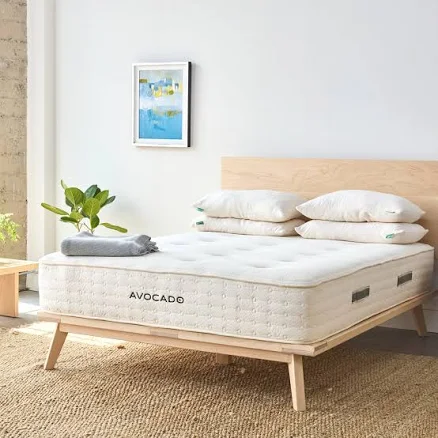
Avocado
Organic Hybrid Mattress
- organic cotton, natural latex, wool, innerspring coils
- We found no PFAS statement from the brand
- Volatile Organic Compound (VOC) off-gassing
3 hazards checked on this product, all on its full breakdown.
More mattresses grades
How we score, every product runs through the same public 0-100 rubric based on materials, coatings, brand disclosure, lab findings, and recalls. See the full methodology → Spotted a mistake? Report an error.