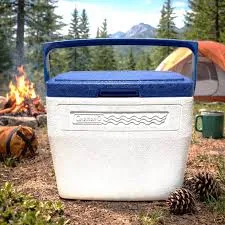
1990s Vintage Coleman Drink Lunch Camping Cooler 8Can Beige/Blue Throwback model 5274
1990s cooler with no PFAS disclosure; food contact lining unspecified.
This vintage Coleman cooler lacks any PFAS statement from the brand. Interior lining material is undisclosed; foam insulation poses minimal food-contact risk.
We flunk more products than we pass. This one earned its grade. How we grade
Material
plastic exterior, foam/polystyrene insulation interior
Lab data
No public lab test
What 1990s Vintage Coleman Drink Lunch Camping is made of, ingredients and materials
This cooler features an exterior plastic shell (material type unspecified in available documentation) with expanded polystyrene (EPS) foam insulation. The interior lining material is not disclosed by Coleman for this vintage model, which is significant because food contact surfaces can leach chemicals into beverages and perishables. Polystyrene foam is stable at room and cold temperatures but can degrade if exposed to UV light, extreme heat, or prolonged solvent contact, potentially releasing styrene monomer.
What’s concerning
Category baseline
The starting point for this type of product, before anything specific to this product is counted.
No PFAS disclosure
No public statement from the brand about PFAS in this product.
Unknown food-contact lining composition
Interior lining material is not specified in available Coleman documentation for this vintage model. Unidentified plastics used in 1990s coolers may include formulations no longer permitted or may leach undocumented compounds into food and beverages.
Polystyrene foam degradation and styrene release
Expanded polystyrene insulation degrades over 30+ years, especially if exposed to UV light, impact, or solvents. Degradation releases styrene monomer, a chemical of concern for respiratory irritation and reproductive effects at high levels; migration to food contact surfaces is possible if foam breaks down.
BPA & bisphenols
Exterior plastic composition is not disclosed. Coolers manufactured in the 1990s frequently used polycarbonate or other bisphenol-containing plastics in rigid shells; no testing or certification rules out this exposure for this specific model.
Source, FDA ↗Microbial contamination if not maintained
Food storage coolers with undisclosed or degrading interior materials are difficult to fully clean and sanitize. Foam insulation can trap water and bacterial growth if not dried thoroughly between uses; this risk increases with age and material breakdown.
What’s reassuring
Base material not linked to PFAS
The main material recorded for this product is not one associated with PFAS.
Coating or ink degradation on exterior label
No reports of ink or coating hazards specific to Coleman cooler logos or labels from this era. However, vintage printing inks may contain heavy metals; avoid allowing exterior paint or graphics to contact food or drinking water.
The full breakdown
The brand's record and disclosure
Coleman has not publicly disclosed the specific composition of interior linings or exterior plastics for this 1990s model line. The company has no published certifications (FDA, BPA-free claims, or equivalent) on record for vintage cooler products of this era. Coleman's overall transparency on food-contact material safety remains limited across product documentation from this period, which was common before modern disclosure standards emerged.
How it compares in its category
Contemporary coolers (2010-present) often specify high-density polyethylene (HDPE) liners and food-grade materials; this vintage model predates that standard. Modern alternatives typically carry FDA certification or BPA-free labeling. This 1990s cooler sits in a category where material safety claims were rarely published, making direct comparison difficult. For equivalent vintage coolers from the same era, undisclosed lining composition is the norm rather than an exception.
If you buy it
Use this cooler for non-food items (beverages in sealed containers, ice packs, frozen gel) rather than direct food contact when possible. Do not expose the exterior or interior to prolonged UV sunlight or high heat, as polystyrene foam degradation accelerates under these conditions. Replace it if you notice cracks, discoloration, or a chemical odor inside, as these signal foam breakdown. Avoid filling with hot liquids; this cooler is designed for cold storage only.
What we don’t know
- Basis
- Model estimate, 62% confidence, not a lab result
- Lab test
- None on record for this exact product
- Brand statement
- Coleman has made a specific claim
Formulations change between production runs, so check the current label. How we grade.
Better-graded alternatives in Lunch Boxes
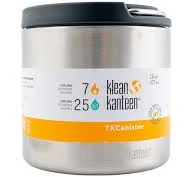
Klean Kanteen
Double Wall Vacuum Insulated Stainless Steel Food Canister Container with Leak Proof Lid
- Stainless steel body, silicone gasket lid seal
- The brand calls it PFAS-free, which we have not verified
- Silicone gasket degradation
3 hazards checked on this product. See all of them.
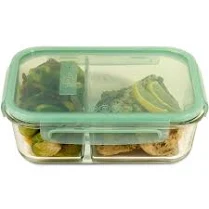
Snapware
Meal Box Glass
- borosilicate glass
- We found no PFAS statement from the brand
- Leaching from glass matrix or lid seals
2 hazards checked on this product. See all of them.
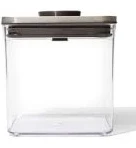
OXO
Steel Pop Big Square Short - 2.8 Qt/2.6 l
- Stainless steel container, no surface treatment
- Lid/gasket polymer leaching
3 hazards checked on this product. See all of them.
More lunch boxes grades
How we score, every product runs through the same public 0-100 rubric based on materials, coatings, brand disclosure, lab findings, and recalls. See the full methodology → Spotted a mistake? Report an error.