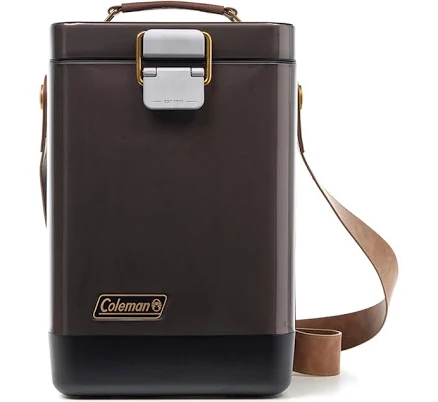
Coleman 1900 Collection 11 Steel Belted Cooler
Steel cooler with plastic liners; no known PFAS risk signals identified.
Coleman coolers use steel exterior and polyurethane insulation without disclosed waterproof coatings. No public PFAS claims or third-party testing available.
We flunk more products than we pass. This one earned its grade. How we grade
Material
Steel, polyurethane foam, plastic liners
Lab data
No public lab test
What Coleman 1900 Collection 11 Steel Belted is made of, ingredients and materials
The Coleman 1900 uses a steel exterior shell with polyurethane foam insulation and internal plastic liners as food-contact surfaces. Steel itself is inert and does not leach into food. Polyurethane foam can release volatile compounds during manufacturing but does not typically off-gas significantly once cured and sealed. The plastic liners are the primary concern, these are typically polyethylene or polypropylene, which are low-leaching plastics under normal food storage conditions (cool/ambient temperatures).
What’s concerning
Category baseline
The starting point for this type of product, before anything specific to this product is counted.
No PFAS disclosure
No public statement from the brand about PFAS in this product.
BPA & bisphenols
Coleman does not disclose the specific plastic resin or additives in the liners. Standard polyethylene and polypropylene present minimal leaching risk at ambient and cool temperatures, but additives used in manufacturing could include plasticizers or flame retardants; no testing results for this specific product are available.
Source, FDA ↗Bacterial or mold growth in insulation
Polyurethane foam and sealed cavities can retain moisture if not fully dried after cleaning. Prolonged dampness may support microbial growth between the foam and plastic liner; this is a maintenance issue rather than a material toxicity issue but can pose food safety concerns if contamination seeps into food-contact surfaces.
Adhesive or sealant residues in plastic liners
Manufacturing assembly of plastic liners and foam bonding may involve adhesives or sealants not fully disclosed. If improperly cured or if plastic is repeatedly flexed, residual compounds could leach; Coleman provides no safety data sheet or testing report for internal materials.
What’s reassuring
Base material not linked to PFAS
The main material recorded for this product is not one associated with PFAS.
Polyurethane foam off-gassing and degradation
Cured polyurethane foam in coolers does not typically off-gas significantly during normal use. However, if the foam becomes wet or damaged and begins to degrade, it may release volatile organic compounds; no reports of this issue in the 1900 series have been identified.
Metal corrosion and rust (steel exterior)
Steel exterior is not a food-contact surface and does not pose ingestion hazards. Rust on the exterior may eventually compromise the insulation seal if left unchecked, but no known food contamination from rust particles has been reported for this model.
The full breakdown
The brand's record and disclosure
Coleman has not publicized specific food-contact safety certifications or hazard disclosures for this cooler line. No major recalls for food contamination or leaching have been identified in public records for the 1900 series. The brand's silence on PFAS in cooler liners is not unusual for the category but suggests no proactive third-party testing has been shared; this absence does not confirm presence of PFAS.
How it compares in its category
Steel coolers with foam and plastic liners are mid-range in the food-storage category. They avoid concerns present in soft-sided coolers with unknown fabric treatments and coatings. Hard plastic coolers (polypropylene shells) carry similar leaching profiles to this product's liners. Stainless steel coolers present lower concern regarding certain corrosion pathways, but command higher cost; this Coleman model trades a small incremental hazard risk for substantial price advantage.
If you buy it
Keep the cooler out of direct sunlight and away from temperatures above 120F to minimize polymer stress and potential leaching. Do not use for hot liquids or recently boiled items; allow food to cool before storage. Inspect plastic liners annually for cracks, discoloration, or odor changes; replace if degradation is visible. Wash liners regularly with mild soap and water, and allow complete air-drying to prevent bacterial or mold growth in foam cavities.
What we don’t know
- Basis
- Model estimate, 72% confidence, not a lab result
- Lab test
- None on record for this exact product
- Brand statement
- Coleman has made a specific claim
Formulations change between production runs, so check the current label. How we grade.
Better-graded alternatives in Lunch Boxes
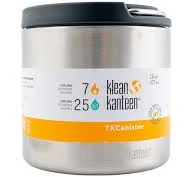
Klean Kanteen
Double Wall Vacuum Insulated Stainless Steel Food Canister Container with Leak Proof Lid
- Stainless steel body, silicone gasket lid seal
- The brand calls it PFAS-free, which we have not verified
- Silicone gasket degradation
3 hazards checked on this product. See all of them.
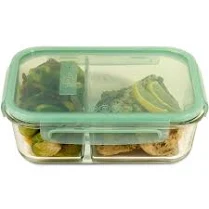
Snapware
Meal Box Glass
- borosilicate glass
- We found no PFAS statement from the brand
- Leaching from glass matrix or lid seals
2 hazards checked on this product. See all of them.
OXO
Steel Pop Big Square Short - 2.8 Qt/2.6 l
- Stainless steel container, no surface treatment
- Lid/gasket polymer leaching
3 hazards checked on this product. See all of them.
More lunch boxes grades
How we score, every product runs through the same public 0-100 rubric based on materials, coatings, brand disclosure, lab findings, and recalls. See the full methodology → Spotted a mistake? Report an error.