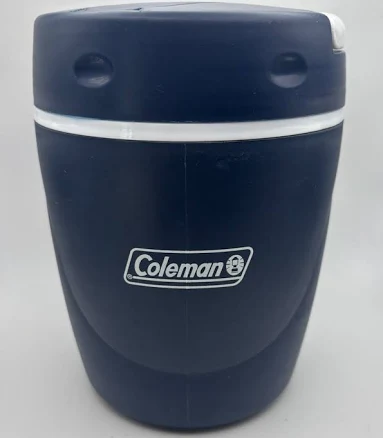
Coleman 2 Compartment Lunch Box Blue 1.2 Liter / 33oz. With Spoon
Lower concern. Standard food container with no known PFAS indicators.
Coleman lunch box uses polypropylene plastic with no disclosed waterproofing or nonstick coatings. No brand PFAS claims or third-party verification available.
We flunk more products than we pass. This one earned its grade. How we grade
Material
polypropylene plastic body and interior lining
Lab data
No public lab test
What Coleman 2 Compartment Lunch Box Blue 1.2 is made of, ingredients and materials
This Coleman lunch box is constructed from polypropylene (PP), a thermoplastic polymer commonly used in food containers because it has a higher melting point (~130°C) than many other plastics and resists degradation from oils and acids. The interior lining is also polypropylene, meaning no multi-layer laminate or barrier coatings that could introduce additional chemistry concerns. Polypropylene does not contain bisphenol A (BPA) or bisphenol S (BPS) in its base formulation, and phthalate plasticizers are not typically used in rigid PP food containers of this type.
What’s concerning
Category baseline
The starting point for this type of product, before anything specific to this product is counted.
No PFAS disclosure
No public statement from the brand about PFAS in this product.
Oligomer and monomer leaching from polypropylene
Polypropylene can release trace amounts of oligomers (short-chain polymer fragments) and propylene monomers, especially when heated or if the plastic is mechanically stressed. Under normal cold or room-temperature storage of food, this risk is minimal; risk increases if the box is repeatedly heated or if acidic foods are stored for extended periods. No regulatory limits exist for PP oligomers in f
Degradation and microplastic shedding over time
Repeated washing, thermal cycling, and UV exposure can cause polypropylene to become brittle, cloudy, and prone to surface degradation. Visible scratches or cracks can accelerate shedding of microplastics into food. This Coleman box is unlikely to degrade rapidly under intended use (cold lunch storage), but after 2-3 years of daily use, replacement is prudent to avoid ingestion of plastic particle
What’s reassuring
Base material not linked to PFAS
The main material recorded for this product is not one associated with PFAS.
BPA & bisphenols
Polypropylene base resin does not contain BPA or BPS by default. Coleman does not disclose whether recycled content is used or what stabilizers/UV absorbers are added; however, no recalls or laboratory findings of BPA/BPS in Coleman polypropylene lunch boxes have been reported. If the product was made from virgin resin and standard food-grade additives, this hazard is negligible.
Source, FDA ↗Phthalate plasticizers
Phthalates are not used in rigid polypropylene formulations for food containers. This lunch box carries no phthalate risk if it is indeed polypropylene (as stated). Phthalate concern is primarily relevant to soft PVC, not PP.
Spoon material and coating hazards
The included spoon material is not specified in available product information. If polypropylene or stainless steel, minimal hazard. If an elastomer or coated material, potential for release of additives is present but unverified. No specific recall or safety alert exists for Coleman lunch-box spoons.
The full breakdown
The brand's record and disclosure
Coleman is a major sporting goods and cooler manufacturer owned by Newell Brands. The company has not published extensive material safety disclosures specific to lunch boxes, and takes a silent stance on PFAS. No recalls or safety violations specific to Coleman polypropylene lunch boxes appear in FDA or CPSC records. The brand does not provide third-party safety certifications (e.g., FDA compliance statements) on product packaging, though polypropylene containers for food use are generally presumed compliant with FDA food-contact regulations in the absence of evidence to the contrary.
How it compares in its category
Polypropylene lunch boxes show lower concern for leaching compared to some other plastics; PP is widely approved for food contact across regulatory jurisdictions. This Coleman model is functionally equivalent to Rubbermaid, Tupperware, and store-brand PP containers. The main advantage over glass or stainless steel alternatives is durability and weight; the main disadvantage is sensitivity to high heat and prolonged UV exposure, neither of which is relevant for typical lunch-box use. Inclusion of a spoon adds a small convenience factor but no unique safety implication.
If you buy it
Use for cold or room-temperature foods only; do not microwave or expose to boiling liquids, as PP will soften above ~100°C and may release oligomers (small plastic fragments) under stress. Hand wash with mild soap; avoid abrasive scrubbers that degrade the surface. Inspect regularly for cracks, clouding, or warping, and replace if the lid no longer seals properly or interior surface becomes visibly scratched or discolored. Store in a cool, dry place away from direct sunlight to prevent brittleness over time.
What we don’t know
- Basis
- Model estimate, 72% confidence, not a lab result
- Lab test
- None on record for this exact product
- Brand statement
- Coleman has made a specific claim
Formulations change between production runs, so check the current label. How we grade.
Better-graded alternatives in Lunch Boxes
Klean Kanteen
Double Wall Vacuum Insulated Stainless Steel Food Canister Container with Leak Proof Lid
- Stainless steel body, silicone gasket lid seal
- The brand calls it PFAS-free, which we have not verified
- Silicone gasket degradation
3 hazards checked on this product. See all of them.
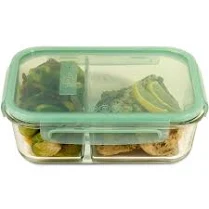
Snapware
Meal Box Glass
- borosilicate glass
- We found no PFAS statement from the brand
- Leaching from glass matrix or lid seals
2 hazards checked on this product. See all of them.
OXO
Steel Pop Big Square Short - 2.8 Qt/2.6 l
- Stainless steel container, no surface treatment
- Lid/gasket polymer leaching
3 hazards checked on this product. See all of them.
More lunch boxes grades
How we score, every product runs through the same public 0-100 rubric based on materials, coatings, brand disclosure, lab findings, and recalls. See the full methodology → Spotted a mistake? Report an error.