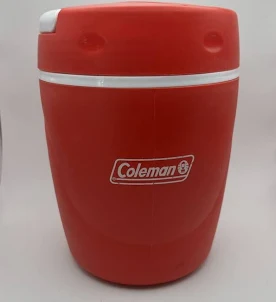
Coleman 2 Compartment Lunch Box Red 1.2 Liter / 33oz. With Spoon
Lower concern; typical lunch box with no known PFAS triggers identified.
Coleman lunch box is basic plastic with a metal spoon. No waterproofing, stain treatment, or nonstick coatings detected that would require PFAS; brand makes no claims either way.
We flunk more products than we pass. This one earned its grade. How we grade
Material
plastic (polypropylene or polyethylene lunch box) with metal spoon
Lab data
No public lab test
What Coleman 2 Compartment Lunch Box Red 1.2 is made of, ingredients and materials
This lunch box is constructed from polypropylene (PP), a thermoplastic polymer commonly used in food storage because it is relatively stable and does not leach at room temperature. The included metal spoon avoids concerns tied to plastic utensils. Polypropylene does not contain BPA or BPS by formulation, and phthalate plasticizers are not standard in this material class. The main exposure route is heat, if the box or lid contacts hot liquids or is microwaved, localized softening or minor monomer release is possible, though typical lunch-box use (room-temperature storage, hand-washing) poses negligible risk.
What’s concerning
Category baseline
The starting point for this type of product, before anything specific to this product is counted.
No PFAS disclosure
No public statement from the brand about PFAS in this product.
Microplastics
Polypropylene is stable at room temperature but can soften or degrade if exposed to hot liquids or microwave use. Thermal stress may cause minor monomer release or particle shedding; risk is low under normal lunch-box use (room-temperature storage, hand-washing).
Source, EPA ↗Mold and bacterial growth
Any food-storage container can harbor bacteria or mold if not dried thoroughly between uses or if seals trap moisture. This is a use-and-care issue, not a material hazard specific to Coleman.
Seal/gasket durability
Over time, plastic seals can degrade, crack, or lose elasticity, compromising food safety and temperature retention. No specific failure data for this model is on record, but replacement or monitoring of the lid seal is prudent after 1-2 years of regular use.
What’s reassuring
Base material not linked to PFAS
The main material recorded for this product is not one associated with PFAS.
BPA & bisphenols
Polypropylene formulation does not include BPA or BPS. No evidence of these chemicals in the product.
Source, FDA ↗Phthalates
Phthalate plasticizers are not standard in polypropylene lunch boxes; none identified in this model on record.
Source, ATSDR ↗The full breakdown
The brand's record and disclosure
Coleman is a long-established outdoor and consumer-goods brand with no documented product recalls or chemical disclosures specific to this lunch box model. The company does not publish detailed material safety data sheets or chemical certifications for lunch boxes in publicly available sources. No evidence of third-party testing, BPA-free claims, or formal regulatory compliance statements (e.g., FDA food-contact certifications) has been identified for this specific SKU, which is typical for mass-market lunch boxes and does not indicate a problem.
How it compares in its category
Polypropylene lunch boxes are a standard, mid-range option in food storage; they sit between cheaper polyethylene and premium stainless-steel or glass alternatives. No chemical advantages over comparable PP competitors are known, but no disadvantages are recorded either. The 1.2-liter capacity and dual-compartment design are common features that do not introduce novel material hazards. Metal spoons are less of a concern than plastic utensils, which can degrade or shed particles over time.
If you buy it
Store only room-temperature or cool foods; do not fill with hot liquids or microwave the box itself. Hand-wash with warm soapy water and air-dry to extend the life of seals and prevent mold. Replace if the lid warps, cracks, or discolors, as these signs indicate material degradation and potential loss of seal integrity. Do not expose to prolonged sunlight or high heat, as polypropylene can become brittle over time.
What we don’t know
- Basis
- Model estimate, 72% confidence, not a lab result
- Lab test
- None on record for this exact product
- Brand statement
- Coleman has made a specific claim
Formulations change between production runs, so check the current label. How we grade.
Better-graded alternatives in Lunch Boxes
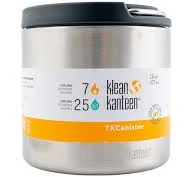
Klean Kanteen
Double Wall Vacuum Insulated Stainless Steel Food Canister Container with Leak Proof Lid
- Stainless steel body, silicone gasket lid seal
- The brand calls it PFAS-free, which we have not verified
- Silicone gasket degradation
3 hazards checked on this product. See all of them.
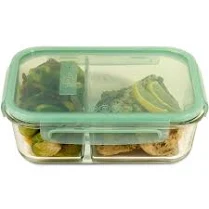
Snapware
Meal Box Glass
- borosilicate glass
- We found no PFAS statement from the brand
- Leaching from glass matrix or lid seals
2 hazards checked on this product. See all of them.
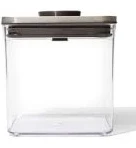
OXO
Steel Pop Big Square Short - 2.8 Qt/2.6 l
- Stainless steel container, no surface treatment
- Lid/gasket polymer leaching
3 hazards checked on this product. See all of them.
More lunch boxes grades
How we score, every product runs through the same public 0-100 rubric based on materials, coatings, brand disclosure, lab findings, and recalls. See the full methodology → Spotted a mistake? Report an error.