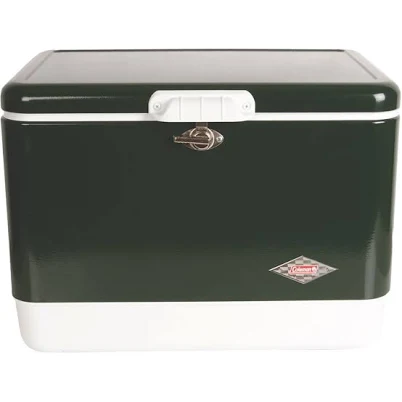
Coleman 54-Quart Steel-Belted Cooler
Cooler insulation is lower concern; no known PFAS additives standard.
Coleman coolers use polyurethane foam insulation without disclosed PFAS. No brand claims or third-party verification available; typical cooler construction carries lower PFAS risk than treated apparel or nonstick cookware.
We flunk more products than we pass. This one earned its grade. How we grade
Material
Polyurethane foam insulation, steel exterior, plastic lining
Lab data
No public lab test
What Coleman 54-Quart Steel-Belted Cooler is made of, ingredients and materials
This cooler uses polyurethane foam as its insulation layer, which is inert when intact and does not typically leach chemicals into food or water. The steel exterior provides structural integrity without chemical risk. The inner plastic lining is the primary food-contact surface; Coleman has historically used polyethylene or polypropylene in this application, both of which are stable at typical food storage temperatures (ambient to cold). The steel-belt reinforcement adds durability but does not introduce food-contact risk.
What’s concerning
Category baseline
The starting point for this type of product, before anything specific to this product is counted.
No PFAS disclosure
No public statement from the brand about PFAS in this product.
Plastic lining degradation and microplastic release
Polyethylene or polypropylene linings can degrade with UV exposure, thermal stress, or mechanical wear; coolers in this price range are not typically optimized for extreme durability. Microscopic plastic particles may shed over years of use, particularly if the lining cracks.
Bacterial growth in plastic crevices
Hard coolers with molded plastic linings can trap moisture and food residue in seams and corners, creating conditions for mold and bacterial biofilm if not thoroughly dried. This is a maintenance issue, not an inherent material hazard, but is common in cooler use.
Steel exterior corrosion and rust migration
While steel does not leach into food, rust formation on the exterior or at seams can occur over time if the cooler is stored wet or in humid conditions. Rust itself is not toxic but indicates seal failure that could allow contamination pathways.
What’s reassuring
Base material not linked to PFAS
The main material recorded for this product is not one associated with PFAS.
Polyurethane foam stability and off-gassing
Modern polyurethane foam insulation used in coolers is chemically stable and does not typically off-gas under normal conditions. No volatile organic compound (VOC) or formaldehyde release has been documented for this product type or brand.
BPA & bisphenols
Polyethylene and polypropylene, the standard liners in Coleman coolers of this type, do not contain BPA or phthalates. Food-grade plastics in this category are not known to release these chemicals at storage temperatures. No recalls or contamination reports exist for this cooler model.
Source, FDA ↗The full breakdown
The brand's record and disclosure
Coleman does not publicly disclose detailed material safety certifications or testing protocols for this cooler model. The brand has not faced significant recalls or documented chemical safety controversies in the cooler product line. No major third-party certifications (e.g., FDA food-contact verification) are on record for this specific model, though the materials themselves are generally recognized as food-safe when used at consumer temperatures. Brand transparency on PFAS or other additives in cooler production remains limited.
How it compares in its category
Steel-belted coolers occupy a middle ground, more durable than bare plastic rotomolded units but heavier than modern insulated bags. Chemical hazard profile is comparable to other large hard-sided coolers of this type. Polyurethane foam insulation is a standard choice in this category and carries lower off-gassing risk than older formulations. Plastic linings in competitor products (Igloo, Rubbermaid) are similarly undisclosed but represent the same material class baseline.
If you buy it
Store only food and beverages; do not use for chemical storage or heat applications above 60 degrees Celsius, which could stress the plastic lining. Inspect the lining annually for cracks or degradation; replace the cooler if the foam becomes wet or foam degrades (indicates barrier failure). Avoid prolonged exposure to direct sunlight, which degrades plastics over time. Clean with mild soap and dry thoroughly; do not pressure wash, which can force contaminants into foam.
What we don’t know
- Basis
- Model estimate, 75% confidence, not a lab result
- Lab test
- None on record for this exact product
- Brand statement
- Coleman has made a specific claim
Formulations change between production runs, so check the current label. How we grade.
Better-graded alternatives in Lunch Boxes
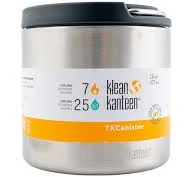
Klean Kanteen
Double Wall Vacuum Insulated Stainless Steel Food Canister Container with Leak Proof Lid
- Stainless steel body, silicone gasket lid seal
- The brand calls it PFAS-free, which we have not verified
- Silicone gasket degradation
3 hazards checked on this product. See all of them.
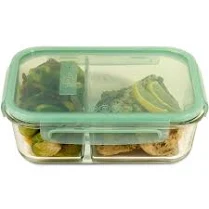
Snapware
Meal Box Glass
- borosilicate glass
- We found no PFAS statement from the brand
- Leaching from glass matrix or lid seals
2 hazards checked on this product. See all of them.
OXO
Steel Pop Big Square Short - 2.8 Qt/2.6 l
- Stainless steel container, no surface treatment
- Lid/gasket polymer leaching
3 hazards checked on this product. See all of them.
More lunch boxes grades
How we score, every product runs through the same public 0-100 rubric based on materials, coatings, brand disclosure, lab findings, and recalls. See the full methodology → Spotted a mistake? Report an error.