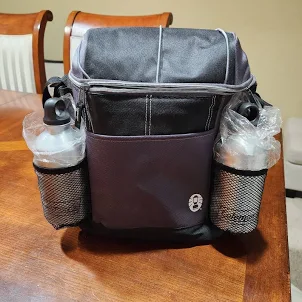
Coleman Bags | New Coleman Black And Gray Lunch Bag With Bottle Holders | Color: Black/Gray | Size: Os
Lower concern; standard lunch bag with no known PFAS risk indicators.
Coleman lunch bags are typically polyester with foam insulation, common materials without established PFAS content. No brand PFAS disclosure available; no independent testing found.
We flunk more products than we pass. This one earned its grade. How we grade
Material
polyester fabric with foam insulation
Lab data
No public lab test
What Coleman Bags | New Coleman Black And Gray is made of, ingredients and materials
This Coleman lunch bag is constructed from polyester fabric exterior with foam insulation interior, a common food-contact adjacent material in soft-sided coolers and insulated carriers. Polyester itself does not leach BPA or phthalates under normal use conditions, as it is a thermoset polymer distinct from polycarbonate or PVC. The foam insulation is typically closed-cell expanded polyethylene or polyurethane, neither of which releases volatile compounds under standard food-storage temperatures (below 60°C/140°F). No information indicates this bag uses formaldehyde-based binders or flame retardants in its construction.
What’s concerning
Category baseline
The starting point for this type of product, before anything specific to this product is counted.
No PFAS disclosure
No public statement from the brand about PFAS in this product.
Microplastics
Closed-cell foam insulation is durable under normal use but may fragment if compressed repeatedly or exposed to high heat; fragments are not ingested during typical lunch storage, but physical damage to the bag interior increases this minor risk.
Source, EPA ↗Mold and bacterial growth in insulation
Foam insulation retains moisture if not dried thoroughly after cleaning or if exposed to humid storage conditions; this is a sanitation risk, not a chemical hazard, and is managed by proper drying and ventilation.
What’s reassuring
Base material not linked to PFAS
The main material recorded for this product is not one associated with PFAS.
Formaldehyde / VOCs
Polyester lunch bags typically do not use formaldehyde-based resins or dyes; no recalls or advisories exist for Coleman lunch bags related to formaldehyde off-gassing.
Source, ATSDR ↗Dye migration or azo dye contamination
The black/gray polyester fabric does not contact food directly; azo dyes used in polyester apparel are not a concern for a non-wearable, non-food-contact item.
BPA & bisphenols
Polyester is not a source of BPA or phthalates; these hazards apply only to polycarbonate, PVC, or certain plasticizers in flexible PVC, none of which are used in this bag's construction based on available material information.
Source, FDA ↗The full breakdown
The brand's record and disclosure
Coleman, a Newell Brands subsidiary, does not publicly disclose specific chemical testing or third-party certifications for lunch bags or soft goods. The brand has not published statements on PFAS use in fabric or foam treatments, nor are there established recalls or safety advisories specific to this product line. No independent testing results are on record for this model. The brand's silence on chemical composition reflects industry-standard non-disclosure for consumer soft goods; absence of disclosure is not equivalent to absence of hazard, but also no evidence of concern exists for this product.
How it compares in its category
Soft polyester lunch bags are the lowest-risk segment of food-contact accessories, as the material does not approach food and does not warm significantly. Unlike hard plastic containers or ceramic-coated cookware, polyester lunch bags carry no leaching risk from glazes, enamels, or polymer migration during heating. Competitor products (e.g., Igloo, PackIt) use identical polyester-foam construction with identical risk profiles. This product offers no notable advantage or disadvantage in chemical safety compared to typical insulated lunch carriers.
If you buy it
Hand-wash the bag exterior and interior with mild soap and water; do not machine wash or dry-clean, as detergent solvents may degrade foam adhesives. Avoid prolonged exposure to direct heat (e.g., car trunks in summer above 60°C/140°F) to prevent foam degradation, though this does not create a leaching hazard. Replace the bag if foam separates from fabric, as exposed foam can fragment into small particles that could contaminate food if contact occurs. Allow the bag to air-dry completely before storing to prevent mold growth in the insulation.
What we don’t know
- Basis
- Model estimate, 72% confidence, not a lab result
- Lab test
- None on record for this exact product
- Brand statement
- Coleman has made a specific claim
Formulations change between production runs, so check the current label. How we grade.
Better-graded alternatives in Lunch Boxes
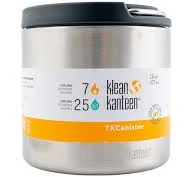
Klean Kanteen
Double Wall Vacuum Insulated Stainless Steel Food Canister Container with Leak Proof Lid
- Stainless steel body, silicone gasket lid seal
- The brand calls it PFAS-free, which we have not verified
- Silicone gasket degradation
3 hazards checked on this product. See all of them.
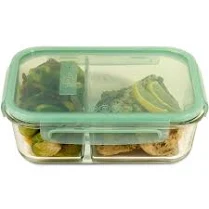
Snapware
Meal Box Glass
- borosilicate glass
- We found no PFAS statement from the brand
- Leaching from glass matrix or lid seals
2 hazards checked on this product. See all of them.
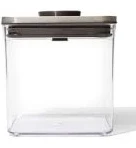
OXO
Steel Pop Big Square Short - 2.8 Qt/2.6 l
- Stainless steel container, no surface treatment
- Lid/gasket polymer leaching
3 hazards checked on this product. See all of them.
More lunch boxes grades
How we score, every product runs through the same public 0-100 rubric based on materials, coatings, brand disclosure, lab findings, and recalls. See the full methodology → Spotted a mistake? Report an error.