Coleman · Camping Tents & Tarps
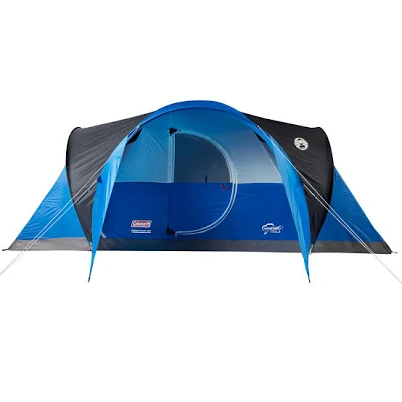
Coleman Montana 8 Person Camping Tent
water-repellent coating finish on record, no PFAS disclosure from Coleman.
This tent has a water-repellent coating finish applied to polyester fabric. water-repellent coating treatments have historically used PFAS. Coleman has no PFAS statement on record for this product.
Still want this one anyway? Check the price on Amazon. We’d swap it.
Material
polyester fabric with water-repellent coating (water-repellent coating) finish
Lab data
No public lab test
You may also be interested in
Top-graded picks in the categories readers replace first, every one scored on the same rubric.

- polypropylene filter housing, carbon/sediment cartridge
- We found no PFAS statement from the brand
- Bacterial growth in spent cartridges
3 hazards checked on this product, all on its full breakdown.

Aquasure
Premier Series 75 GPD Under Sink Reverse Osmosis Water Filtration System
- RO membrane, carbon filters, stainless steel housing
- We found no PFAS statement from the brand
- Bacterial and microbial growth in housing and filters
4 hazards checked on this product, all on its full breakdown.

Avocado
Vegan Mattress
- organic cotton, natural latex, coconut coir, recycled steel coils
- The brand calls it PFAS-free, which we have not verified
- Heavy metals
2 hazards checked on this product, all on its full breakdown.
What Coleman Montana 8 Person Camping Tent is made of, ingredients and materials
The Montana 8 uses polyester fabric as its primary material, which is inherently stable and does not off-gas formaldehyde or volatile organic compounds under normal storage and use. The critical component is the water-repellent coating (water-repellent coating) finish applied to achieve waterproofing. water-repellent coating coatings historically relied on PFAS chemistry; while some manufacturers have shifted to PFAS-free alternatives, Coleman does not publicly disclose which type is used on this model, creating uncertainty about long-term exposure from skin contact and potential water runoff.
What’s concerning
Waterproof / stain-resistant treatment
Water-repellent coating treatments have historically used PFAS.
Category baseline
The starting point for this type of product, before anything specific to this product is counted.
No PFAS disclosure
No public statement from the brand about PFAS in this product.
PFAS
Coleman does not disclose water-repellent coating chemistry; undisclosed water-repellent coating on polyester camping tents historically used PFAS-based fluorochemicals. Modern alternatives exist but are not confirmed on this model.
Source, ATSDR ↗Coating degradation and leachate migration
Water-repellent coating coatings degrade over time and with exposure to UV, heat, and repeated wetting. Degraded or flaking coating may release encapsulated chemicals into water runoff or dust; no Coleman-specific failure data available.
What’s reassuring
Formaldehyde / VOCs
Polyester itself does not contain formaldehyde; no recalls or test data on file document formaldehyde contamination in Coleman Montana tents.
Source, ATSDR ↗Heavy metals
No public records of azo dye contamination or heavy metal pigment issues in Coleman polyester tents. Standard polyester production does not inherently introduce these hazards.
Source, FDA ↗Antimony in polyester fiber
Antimony is a known catalyst in polyester synthesis but typically remains bound in polymer chains; no health alerts on record for Coleman polyester tent fibers.
How is this PFAS grade calculated?
The brand's record and disclosure
Coleman has not made public commitments to PFAS-free tent manufacturing or detailed material sourcing disclosures. The brand does not list tent composition or water-repellent coating type on product pages or safety documents reviewed in public sources. This silence contrasts with outdoor brands (Arc'teryx, Patagonia) that have committed to phasing PFAS or adopted alternatives. Coleman's lack of transparency makes it impossible to verify whether this tent uses legacy PFAS-based water-repellent coating or newer chemistry, a significant gap for consumers prioritizing chemical safety.
How it compares in its category
Budget camping tents typically use polyester with water-repellent coating finishes; the Montana 8 is mid-range for Coleman. Higher-end outdoor brands increasingly market PFAS-free or fluorocarbon-free water-repellent coating options, though at a price premium. Most budget-tier tents, including Coleman competitors, do not disclose water-repellent coating chemistry. The lack of third-party certification (e.g., OEKO-TEX, bluesign) on this model is standard for the price segment but limits chemical assurance compared to premium alternatives.
If you buy it
Minimize direct skin contact with the fabric interior, especially in warm conditions or high humidity, to reduce theoretical dermal exposure to any residual water-repellent coating chemicals. Avoid washing or treating the tent with additional water-repellent sprays, which may introduce additional PFAS or unregulated coatings. Ensure good ventilation during setup and storage to reduce off-gassing risk (though polyester itself poses low VOC risk). Replace the tent if the water-repellent coating visibly degrades, flakes, or becomes tacky, as this signals coating breakdown and potential leachate risk.
What is not known about PFAS in this product?
- Basis
- Model estimate, 45% confidence, not a lab result
- Lab test
- None on record for this exact product
- Brand statement
- Coleman has made a specific claim
Formulations change between production runs, so check the current label. How we grade.
More camping tents & tarps grades
How we score, every product runs through the same public 0-100 rubric based on materials, coatings, brand disclosure, lab findings, and recalls. See the full methodology → Spotted a mistake? Report an error.