Coleman · Camping Tents & Tarps
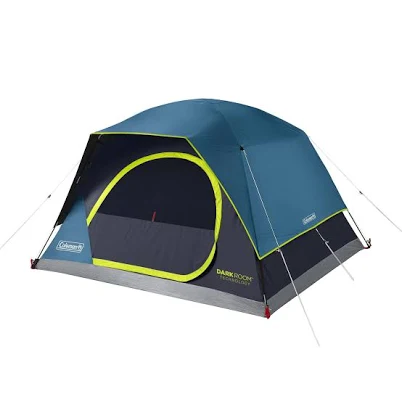
Coleman Skydome Dark Room Camping Tent
Waterproof tent; coating ingredients undisclosed. Skip if PFAS-concerned.
Coleman does not publicly disclose the water-repellent coating waterproofing chemistry used on this tent. Waterproof coatings often contain PFAS, but specifics are unavailable. Seek brands with transparent PFAS-free certifications if this is a concern.
Still want this one anyway? Check the price on Amazon. We’d swap it.
Material
polyester fabric with water-repellent coating waterproof coating
Lab data
No public lab test
You may also be interested in
Top-graded picks in the categories readers replace first, every one scored on the same rubric.

- polypropylene filter housing, carbon/sediment cartridge
- We found no PFAS statement from the brand
- Bacterial growth in spent cartridges
3 hazards checked on this product, all on its full breakdown.

Aquasure
Premier Series 75 GPD Under Sink Reverse Osmosis Water Filtration System
- RO membrane, carbon filters, stainless steel housing
- We found no PFAS statement from the brand
- Bacterial and microbial growth in housing and filters
4 hazards checked on this product, all on its full breakdown.

Avocado
Vegan Mattress
- organic cotton, natural latex, coconut coir, recycled steel coils
- The brand calls it PFAS-free, which we have not verified
- Heavy metals
2 hazards checked on this product, all on its full breakdown.
What Coleman Skydome Dark Room Camping Tent is made of, ingredients and materials
The Skydome tent uses polyester fabric as its primary material, which is standard and chemically stable for outdoor textiles. The critical component is the water-repellent coating (water-repellent coating) coating applied to the outer shell. Coleman does not publicly disclose the specific chemistry of this coating (whether fluorocarbon-based PFAS, silicone-based, or another class), which is a transparency gap for consumers concerned about persistent chemicals. Polyester itself does not leach chemicals during normal use, but the integrity of the water-repellent coating layer degrades over time with UV exposure and washing.
What’s concerning
Waterproof / stain-resistant treatment
Water-repellent coating treatments have historically used PFAS.
Category baseline
The starting point for this type of product, before anything specific to this product is counted.
No PFAS disclosure
No public statement from the brand about PFAS in this product.
water-repellent coating degradation and secondary leaching
The undisclosed water-repellent coating will degrade with weathering and washing, potentially releasing breakdown products into water or dust. Without chemical identification, the safety profile of degradation byproducts cannot be assessed.
Antimony in polyester fiber
Polyester production may involve antimony catalyst residue in the polymer. Amounts in consumer textiles are typically very low and not bioavailable during normal contact; no specific test data exists for Coleman Skydome fabric.
What’s reassuring
Azo dyes in polyester fabric
Coleman Skydome polyester has not been reported to contain restricted azo dyes (which degrade to carcinogenic amines). No public testing or third-party certification data is available for this specific product.
Formaldehyde / VOCs
Polyester fabric itself does not require formaldehyde-releasing resins; Coleman has not disclosed the use of formaldehyde-based finishing agents in the Skydome line.
Source, ATSDR ↗Heavy metals
The dark gray/black polyester colorants have no reported contamination with lead, cadmium, or chromium. Coleman does not market heavy-metal-free certification for this product.
Source, FDA ↗How is this PFAS grade calculated?
The brand's record and disclosure
Coleman (Newell Brands) has not issued public statements about PFAS phase-out in camping gear or disclosed water-repellent coating chemistry for this product line. The brand offers no third-party certifications (GOTS, OEKO-TEX, or fluorine-free water-repellent coating claims) for the Skydome tent. Coleman's silence on chemical disclosure contrasts with competitors like The North Face and MSR, which have begun labeling PFAS-free alternatives or committing to fluorocarbon reduction. No product-specific safety recalls related to chemical contamination have been published for this model.
How it compares in its category
Most three-season camping tents under USD 300 use fluorocarbon-based water-repellent coating coatings similar to Coleman's undisclosed approach. Competitors like Coleman's own Skydome (original non-Dark Room) and budget brands use nearly identical polyester-plus-water-repellent coating construction. Higher-cost alternatives (Nemo, Big Agnes USD 400+) increasingly market fluorine-free or silicone-only waterproofing. For the price tier, the Skydome Dark Room is competitively positioned; the lack of chemical transparency is typical of mid-market camping brands, not exceptional.
If you buy it
Store in a cool, dry place away from direct sunlight when not in use, as UV accelerates water-repellent coating breakdown. Wash only with non-detergent water or specialty tent cleaner; harsh soaps strip the water-repellent coating layer faster and may mobilize coating residues. Inspect seams and the outer shell annually for whitening or water absorption, which signal water-repellent coating failure after 3-5 years of regular use. Do not tumble dry or apply heat; air dry completely in shade to prevent fabric stress and coating degradation. Replacement of water-repellent coating (commercial tent reproof products) is possible but adds cost and reintroduces chemical uncertainty.
What is not known about PFAS in this product?
- Basis
- Model estimate, 35% confidence, not a lab result
- Lab test
- None on record for this exact product
- Brand statement
- Coleman has made a specific claim
Formulations change between production runs, so check the current label. How we grade.
More camping tents & tarps grades
How we score, every product runs through the same public 0-100 rubric based on materials, coatings, brand disclosure, lab findings, and recalls. See the full methodology → Spotted a mistake? Report an error.