Coleman · Camping Tents & Tarps
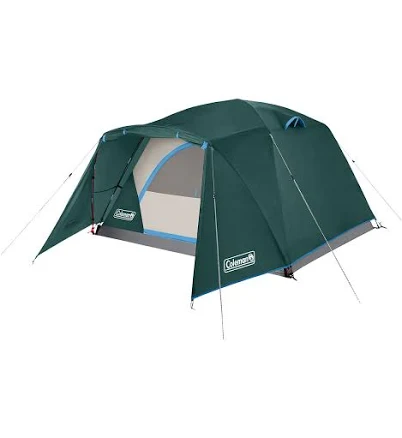
Coleman Skydome Full-Fly Vestibule Camping Tent
Tent has waterproof coating, Coleman discloses nothing about PFAS.
Camping tents typically use water-repellent coating-treated polyester to repel water. Coleman provides no public information on PFAS use in this product's finish.
Still want this one anyway? Check the price on Amazon. We’d swap it.
Material
Polyester fabric with water-repellent coating (water-repellent coating) coating
Lab data
No public lab test
You may also be interested in
Top-graded picks in the categories readers replace first, every one scored on the same rubric.

- polypropylene filter housing, carbon/sediment cartridge
- We found no PFAS statement from the brand
- Bacterial growth in spent cartridges
3 hazards checked on this product, all on its full breakdown.

Aquasure
Premier Series 75 GPD Under Sink Reverse Osmosis Water Filtration System
- RO membrane, carbon filters, stainless steel housing
- We found no PFAS statement from the brand
- Bacterial and microbial growth in housing and filters
4 hazards checked on this product, all on its full breakdown.

Avocado
Vegan Mattress
- organic cotton, natural latex, coconut coir, recycled steel coils
- The brand calls it PFAS-free, which we have not verified
- Heavy metals
2 hazards checked on this product, all on its full breakdown.
What Coleman Skydome Full-Fly Camping Tent is made of, ingredients and materials
The Skydome uses polyester fabric, a synthetic polymer that is chemically stable during normal use but often treated with water-repellent coating (water-repellent coating) coatings to shed rain. These water-repellent coating finishes are the primary chemical concern, historically many contained Teflon-type coating (fluorinated compounds) or other fluorinated polymers, which may involve PFAS. The tent's inner and fly materials are woven polyester, which does not off-gas formaldehyde under typical camping conditions, unlike some textile finishes.
What’s concerning
Waterproof / stain-resistant treatment
Water-repellent coating treatments have historically used PFAS.
Category baseline
The starting point for this type of product, before anything specific to this product is counted.
No PFAS disclosure
No public statement from the brand about PFAS in this product.
water-repellent coating leachables and volatiles (undisclosed chemistry)
The specific water-repellent coating formula is not disclosed by Coleman. If the coating contains fluorinated compounds (PFAS-type or other Teflon-family coating), volatilization during setup and off-gassing during storage is possible, especially in warm conditions. No published test data on this product exists to confirm or rule out specific leachates.
Polyester degradation and microfiber shedding
Polyester fabric sheds microfibers when abraded, washed, or exposed to UV and weathering. While minimal in a stationary tent, wear at contact points (seams, zippers, where fabric rubs ground or rocks) releases microplastic fibers. This is a known property of polyester textiles, not specific to Coleman, but relevant to disposal and environmental persistence.
Degradation and coating failure over time
Water-repellent coating coatings on all polyester tents degrade with UV exposure, temperature cycling, and washing. As the coating breaks down, water repellency is lost and particles or residues may shed from fabric. No specific durability timeline for the Skydome coating is published; Coleman provides no maintenance schedule or replacement guidance.
What’s reassuring
Heavy metals
The Skydome's green/gray polyester weave may contain synthetic azo or disperse dyes. No specific test results or recalls for heavy-metal contamination in Coleman tent dyes are on record, and polyester is typically less prone to lead or cadmium in dyes than ceramic or natural-fiber products. Risk is low but not independently verified for this model.
Source, FDA ↗Formaldehyde / VOCs
Polyester fibers themselves do not require formaldehyde resin finishes (unlike cotton blends or wrinkle-resistant treatments). Coleman does not list formaldehyde-releasing finishes in available product specifications, making this a low concern for this tent category.
Source, ATSDR ↗How is this PFAS grade calculated?
The brand's record and disclosure
Coleman has not publicly disclosed the specific chemistry of the water-repellent coating on this model or provided certifications (such as bluesign, OEKO-TEX, or fluorine-free labeling) that would clarify PFAS content. The brand maintains a silent stance on PFAS in outdoor gear despite industry-wide discussion of these chemicals in waterproof coatings. This lack of transparency is notable because competitors (e.g., Big Agnes, MSR) increasingly publish water-repellent coating sourcing or use certified fluorine-free alternatives.
How it compares in its category
Most mass-market polyester camping tents, especially at Coleman's price point, use conventional water-repellent coating coatings whose PFAS content is unverified. Premium brands increasingly offer fluorine-free or certified low-PFAS options, but the Skydome falls into the typical disclosure-light segment. Compared to canvas or cotton tents (which require no water repellent treatment), any synthetic waterproof tent carries chemical coating uncertainty.
If you buy it
Ensure good ventilation during setup and use, especially in the first few days, to minimize inhalation of any volatile residues from the water-repellent coating or manufacturing. Do not expose the tent to prolonged heat (direct sunlight against walls for days or storage near heat sources) as this may accelerate coating breakdown and release. Wash the tent infrequently with cool water only; detergents and heat can degrade water-repellent coating and potentially mobilize or strip coating particles. Store in a cool, dry place and inspect seams and fabric annually; if coating flakes or deteriorates noticeably, consider replacement.
What is not known about PFAS in this product?
- Basis
- Model estimate, 42% confidence, not a lab result
- Lab test
- None on record for this exact product
- Brand statement
- Coleman has made a specific claim
Formulations change between production runs, so check the current label. How we grade.
More camping tents & tarps grades
How we score, every product runs through the same public 0-100 rubric based on materials, coatings, brand disclosure, lab findings, and recalls. See the full methodology → Spotted a mistake? Report an error.