Coleman · Camping Tents & Tarps
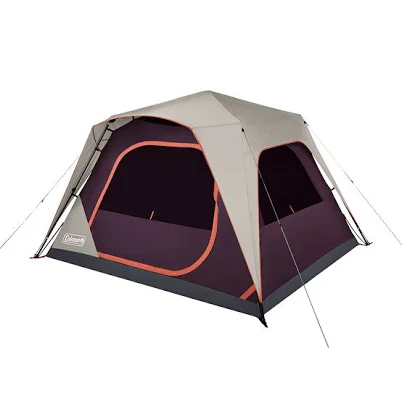
Coleman Skylodge Instant Tent
Instant tent with unspecified water-resistant coating; no PFAS disclosure available.
Coleman does not disclose coating chemistry for this tent. Waterproof treatments on outdoor fabrics often contain PFAS, but specific formulation is unknown. Contact brand for details before purchase if PFAS is a concern.
Still want this one anyway? Check the price on Amazon. We’d swap it.
Material
polyester fabric with water-resistant coating
Lab data
No public lab test
You may also be interested in
Top-graded picks in the categories readers replace first, every one scored on the same rubric.

- polypropylene filter housing, carbon/sediment cartridge
- We found no PFAS statement from the brand
- Bacterial growth in spent cartridges
3 hazards checked on this product, all on its full breakdown.

Aquasure
Premier Series 75 GPD Under Sink Reverse Osmosis Water Filtration System
- RO membrane, carbon filters, stainless steel housing
- We found no PFAS statement from the brand
- Bacterial and microbial growth in housing and filters
4 hazards checked on this product, all on its full breakdown.

Avocado
Vegan Mattress
- organic cotton, natural latex, coconut coir, recycled steel coils
- The brand calls it PFAS-free, which we have not verified
- Heavy metals
2 hazards checked on this product, all on its full breakdown.
What Coleman Skylodge Instant Tent is made of, ingredients and materials
The Skylodge uses polyester fabric with a water-resistant coating of unspecified composition. Polyester itself is stable and inert, but the coating applied to achieve water resistance is the concern, manufacturers typically use water-repellent coating (water-repellent coating) treatments, many of which historically relied on PFAS compounds like Teflon-type coating or fluorocarbon chains. Coleman has not publicly disclosed the coating formula, making it impossible to rule out legacy or alternative PFAS compounds.
What’s concerning
Waterproof / stain-resistant treatment
Water-repellent coating treatments have historically used PFAS.
Category baseline
The starting point for this type of product, before anything specific to this product is counted.
No PFAS disclosure
No public statement from the brand about PFAS in this product.
Undisclosed water-repellent coating (water-repellent coating) coating
Polyester tent fabrics require water-repellent coating treatment; Coleman does not specify whether this uses PFAS-free formulations, making PFAS presence likely but unconfirmed. This is addressed separately in PFAS grade (Bad/20) but represents the primary chemical concern for this product.
Azo dyes in polyester fabric
Coleman tents are typically mass-produced with standard polyester dyes; some azo dyes can release carcinogenic amines under certain conditions (moisture, UV, microbial action). No recalls or testing records exist for this specific product, but the risk is inherent to low-cost polyester textiles without dyeing certification.
Antimony as polyester catalyst residue
Polyester yarn manufacturing often uses antimony oxide as a catalyst; trace residues may remain in the finished fabric. Direct skin contact during camping is minimal, but residual antimony in textiles is a known but unquantified exposure in budget outdoor gear.
Microplastic shedding from coating degradation
As the water-resistant coating ages or flakes from wear, UV exposure, or washing, it may release microparticles. No testing data exists for this specific tent, but polyester-coated fabrics are known to shed microfibers, especially if the coating deteriorates.
What’s reassuring
Formaldehyde / VOCs
No documented formaldehyde resin finishes are typical for polyester tent fabrics (unlike cotton or cotton-blend apparel). Coleman's Skylodge is unlikely to carry formaldehyde risk given its purely synthetic construction.
Source, ATSDR ↗How is this PFAS grade calculated?
The brand's record and disclosure
Coleman (Newell Brands) has not issued public statements on PFAS use in textiles or outdoor gear as of recent records. The company lacks third-party certifications (such as GOTS, Bluesign, or OEKO-TEX) that would typically signal commitment to restricted chemical lists. This silence is typical for Coleman's price-point category but represents a transparency gap compared to higher-end outdoor brands.
How it compares in its category
Budget instant tents like the Skylodge commonly use unspecified water-repellent coating coatings; premium alternatives (REI Co-op, Big Agnes) often disclose fluorine-free or low-PFAS treatments. The Skylodge's lack of disclosure is standard for mass-market camping gear but leaves buyers with higher exposure uncertainty than labeled alternatives. Mid-range brands increasingly adopt fluorine-free water-repellent coating, making this a differentiator.
If you buy it
Wash the tent in cool water with minimal detergent before first use to reduce surface chemical residues. Avoid high-heat drying or storage near direct sunlight, which can accelerate coating degradation and potential offgassing. Inspect seams and coating annually for peeling or flaking; replace the tent if the water-resistant layer degrades significantly, as damaged coating may release particles or trapped compounds. Store in a dry, cool place to extend coating life.
What is not known about PFAS in this product?
- Basis
- Model estimate, 42% confidence, not a lab result
- Lab test
- None on record for this exact product
- Brand statement
- Coleman has made a specific claim
Formulations change between production runs, so check the current label. How we grade.
More camping tents & tarps grades
How we score, every product runs through the same public 0-100 rubric based on materials, coatings, brand disclosure, lab findings, and recalls. See the full methodology → Spotted a mistake? Report an error.