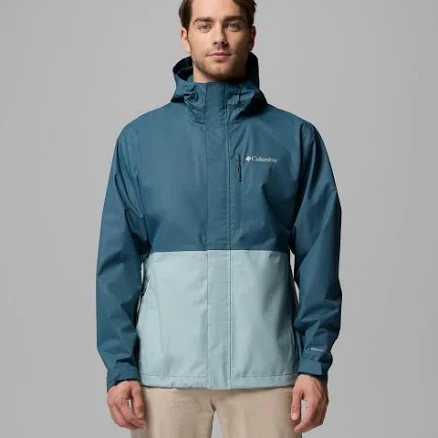
Columbia Men's Hikebound II Jacket
Silent on PFAS. Caution warranted until the brand clarifies.
Columbia doesn't disclose PFAS use in this jacket's water-repellent finish. Many outdoor brands historically used PFAS-based water-repellent coating treatments, though alternatives now exist. Without direct confirmation, you can't rule out PFAS risk.
Still want this one anyway? Check the price on Amazon. We’d swap it.
Material
Nylon with water-repellent coating water-repellent finish
Lab data
No public lab test
You may also be interested in
Top-graded picks in the categories readers replace first, every one scored on the same rubric.

- polypropylene filter housing, carbon/sediment cartridge
- We found no PFAS statement from the brand
- Bacterial growth in spent cartridges
3 hazards checked on this product, all on its full breakdown.

Aquasure
Premier Series 75 GPD Under Sink Reverse Osmosis Water Filtration System
- RO membrane, carbon filters, stainless steel housing
- We found no PFAS statement from the brand
- Bacterial and microbial growth in housing and filters
4 hazards checked on this product, all on its full breakdown.

Avocado
Vegan Mattress
- organic cotton, natural latex, coconut coir, recycled steel coils
- The brand calls it PFAS-free, which we have not verified
- Heavy metals
2 hazards checked on this product, all on its full breakdown.
What Columbia Men's Hikebound II Jacket is made of, ingredients and materials
The Hikebound II uses nylon fabric with a water-repellent coating (water-repellent coating) finish applied to the exterior. Nylon itself is a synthetic polymer stable under normal wear conditions, but water-repellent coating treatments historically relied on fluorochemical coatings to repel water and stains. The jacket likely also has a polyester lining and possibly polyurethane-based seam sealing, both common in technical rain gear. These synthetic layers do not naturally off-gas volatile organic compounds (VOCs) at room temperature, but understanding the complete chemistry of the water-repellent coating treatment is critical to assessing fluorochemical exposure risk.
What’s concerning
Category baseline
The starting point for this type of product, before anything specific to this product is counted.
No PFAS disclosure
No public statement from the brand about PFAS in this product.
Waterproof / stain-resistant treatment
Water-repellent coating treatments have historically used PFAS.
PFAS
Nylon rain jackets typically receive water-repellent coating finishes containing legacy PFOA, GenX, or other PFAS. Columbia has not disclosed whether Hikebound II uses fluorine-free alternatives. Skin contact with treated fabric is generally low-risk, but repeat washing may mobilize trace residuals into water.
Source, ATSDR ↗Synthetic fiber degradation and microfiber shedding
Nylon fabric can shed microfibers during washing, particularly if abraded or poorly maintained. While microplastic ingestion from garment laundering is an emerging concern, no specific recalls or health alerts exist for this jacket model. Washing in cold water and gentle cycles minimizes shedding.
What’s reassuring
Polyurethane seam sealing and adhesives
Polyurethane-based seam tape, common in technical rain wear, is chemically stable after cure and does not present established off-gassing or leaching hazards under normal wear and laundering. No recalls or safety alerts on record for Columbia rain jackets related to seam materials.
Dye stability and azo dyes
Columbia's dyeing processes for nylon are not publicly documented for this model. No known azo-dye or heavy-metal dye contamination issues have been reported in Columbia rain jackets. Most manufacturers in this segment comply with basic EU textile standards even if not certified.
Adhesive and ink off-gassing
Screen-printed or heat-transfer graphics on the jacket label and any branding do not present documented VOC or formaldehyde risks under normal conditions. No product-specific safety alerts on record for Columbia apparel graphics or labels.
How is this PFAS grade calculated?
The brand's record and disclosure
Columbia Sportswear has not publicly committed to phasing out PFAS-based water-repellent coating treatments or disclosed whether the Hikebound II uses fluorine-free alternatives. The brand does not prominently advertise third-party certifications (such as Bluesign, GOTS, or OEKO-TEX) for this model. While Columbia is a major outdoor-apparel manufacturer with reasonable quality standards, the absence of transparency on water-repellent coating chemistry is typical of many mainstream rain-jacket brands and represents a gap in consumer information rather than an established violation.
How it compares in its category
Rain jackets in this mid-range price tier almost universally use fluorochemical water-repellent coating finishes unless explicitly labeled otherwise (e.g. Competitors like The North Face, Arc'teryx, and Patagonia similarly remain opaque on this point unless products carry specific certifications. Some premium brands (Fjallraven, certain Patagonia lines) now market fluorine-free water-repellent coating, but these typically cost more and are less water-repellent over time. The Hikebound II is neither a leader nor a laggard in environmental or chemical transparency within its category.
If you buy it
Wash in cool water with mild detergent and avoid fabric softeners, which can degrade water repellency and potentially trap or mobilize residual water-repellent coating chemicals. Do not dry-clean, as solvents may alter the coating. Air-dry away from direct heat; do not tumble-dry. If the jacket loses water repellency over 2-3 seasons, replacement is preferable to re-treating at home with unknown water-repellent coating products. Store in a dry place away from strong sunlight to slow UV degradation of nylon and seams.
What is not known about PFAS in this product?
- Basis
- Model estimate, 35% confidence, not a lab result
- Lab test
- None on record for this exact product
- Brand statement
- Columbia has made a specific claim
Formulations change between production runs, so check the current label. How we grade.
More rain jackets grades
How we score, every product runs through the same public 0-100 rubric based on materials, coatings, brand disclosure, lab findings, and recalls. See the full methodology → Spotted a mistake? Report an error.