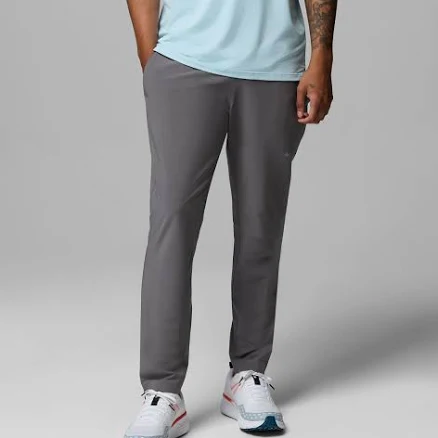
Columbia Men's Stealth Spring Chino Pants
Low-medium risk; basic chino without reported water or stain treatment and no PFAS disclosure.
These cotton-blend chino pants show no publicly disclosed water-repellent or stain-resistant treatment. Columbia has not made PFAS claims either way, and no independent lab data exists.
Still want this one anyway? Check the price on Amazon. We’d swap it.
Material
cotton-blend chino twill (no water-repellent treatment noted)
Lab data
No public lab test
You may also be interested in
Top-graded picks in the categories readers replace first, every one scored on the same rubric.

- polypropylene filter housing, carbon/sediment cartridge
- We found no PFAS statement from the brand
- Bacterial growth in spent cartridges
3 hazards checked on this product, all on its full breakdown.

Aquasure
Premier Series 75 GPD Under Sink Reverse Osmosis Water Filtration System
- RO membrane, carbon filters, stainless steel housing
- We found no PFAS statement from the brand
- Bacterial and microbial growth in housing and filters
4 hazards checked on this product, all on its full breakdown.

Avocado
Vegan Mattress
- organic cotton, natural latex, coconut coir, recycled steel coils
- The brand calls it PFAS-free, which we have not verified
- Heavy metals
2 hazards checked on this product, all on its full breakdown.
What Columbia Men's Stealth Spring Chino Pants is made of, ingredients and materials
Columbia's Stealth Spring Chino is a cotton-blend twill, typically 98% cotton with 2% spandex for stretch. Cotton is a natural cellulose fiber with minimal inherent chemical risk; the spandex adds elasticity for movement but requires synthetic polymer processing. The key safety factor here is the absence of water-repellent coating (water-repellent coating) finish or stain treatment, which means the fabric skips the chemical coatings that often carry PFAS or other halogenated compounds. Standard chino construction involves minimal dye complexity and straightforward finishing.
What’s concerning
Category baseline
The starting point for this type of product, before anything specific to this product is counted.
No PFAS disclosure
No public statement from the brand about PFAS in this product.
Azo dyes (synthetic colorants)
Chino twill requires substantial dyeing for its characteristic tan or olive shade. Columbia has not disclosed dye sourcing or azo-dye avoidance; however, EU and North American chino manufacturers typically comply with azo restrictions on carcinogenic amines. Risk is low but not eliminated by public certification.
What’s reassuring
Base material not linked to PFAS
The main material recorded for this product is not one associated with PFAS.
Formaldehyde / VOCs
Basic cotton-blend chino twill typically uses minimal formaldehyde in finishing; no wrinkle-resistance or permanent-press coating is noted on this product. Standard industry testing of untreated chinos shows negligible formaldehyde off-gassing.
Source, ATSDR ↗Antimony in polyester components
This product contains minimal synthetic fiber (2% spandex); antimony is used as a catalyst in polyester production but at trace levels in spandex yarn. No evidence of accumulation hazard in low-percentage blends, and spandex antimony is not a recognized consumer safety issue at normal wear levels.
Flame retardants
Cotton-dominant apparel does not require or typically receive flame-retardant treatment under consumer safety standards. This chino carries no reported flame-retardant coating or additive.
Source, EPA ↗Heavy metals
Lead and cadmium in dyes are restricted under California Prop 65 and EU chemical regulations for apparel. Columbia operates under these standards; no heavy metal contamination has been documented in its chino lines. Risk is low given brand scale and regulatory environment.
Source, FDA ↗How is this PFAS grade calculated?
The brand's record and disclosure
Columbia has published sustainability commitments and participates in industry transparency initiatives, though it does not make broad public PFAS avoidance pledges. The brand has no documented major recalls or chemical safety controversies in the apparel space. Columbia's silence on PFAS suggests lack of systematic disclosure rather than a deliberate problem; the company has no known history of aggressive chemical use in basic chino lines. Standard industry practice for untreated cotton-blend pants carries minimal regulatory scrutiny.
How it compares in its category
Basic hiking pants in this price and material tier typically fall into two camps, treated (often with PFAS-based water-repellent coating) or untreated. This untreated chino sits at the lower chemical-exposure end of the spectrum compared to water-resistant alternatives from competitors. Premium synthetic hiking pants (polyester-based) carry flame-retardant and antimony risks; this cotton option avoids those. The trade-off is reduced weather resistance, not safety.
If you buy it
Wash in cool to warm water with standard detergent; hot water accelerates wear on spandex and is unnecessary for dirt removal. Avoid chlorine bleach, which can yellow cotton and degrade elastic fibers. Hang-dry or low heat to preserve stretch longevity. Replace when seams fray, crotch threads break, or waistband elastic loses grip, typically after 2-4 years of regular hiking use. No special chemical hazard precautions needed beyond standard garment care.
What is not known about PFAS in this product?
- Basis
- Model estimate, 72% confidence, not a lab result
- Lab test
- None on record for this exact product
- Brand statement
- Columbia has made a specific claim
Formulations change between production runs, so check the current label. How we grade.
More hiking pants grades
How we score, every product runs through the same public 0-100 rubric based on materials, coatings, brand disclosure, lab findings, and recalls. See the full methodology → Spotted a mistake? Report an error.