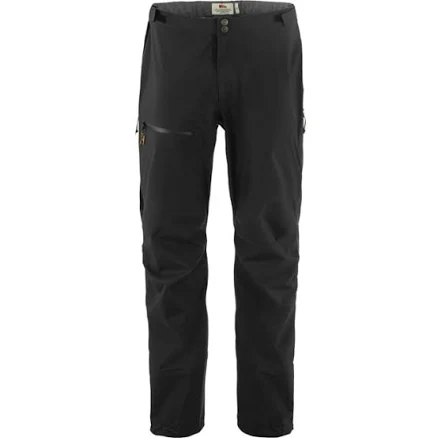
Fjällräven Men's Keb GTX Waterproof Shell Trousers
High risk due to GORE-TEX; Fjällräven provides no PFAS disclosure or alternatives.
These pants use GORE-TEX, a Teflon-family coating membrane historically tied to PFAS chemistry. Fjällräven offers no public PFAS-free claims or alternative water-repellent coating disclosure.
Still want this one anyway? Check the price on Amazon. We’d swap it.
Material
GORE-TEX laminate membrane (polytetrafluoroethylene-based)
Brand disclosure
Brand is silent on PFAS
Lab data
No public lab test
You may also be interested in
Top-graded picks in the categories readers replace first, every one scored on the same rubric.

- polypropylene filter housing, carbon/sediment cartridge
- We found no PFAS statement from the brand
- Bacterial growth in spent cartridges
3 hazards checked on this product, all on its full breakdown.

Aquasure
Premier Series 75 GPD Under Sink Reverse Osmosis Water Filtration System
- RO membrane, carbon filters, stainless steel housing
- We found no PFAS statement from the brand
- Bacterial and microbial growth in housing and filters
4 hazards checked on this product, all on its full breakdown.

Avocado
Vegan Mattress
- organic cotton, natural latex, coconut coir, recycled steel coils
- The brand calls it PFAS-free, which we have not verified
- Heavy metals
2 hazards checked on this product, all on its full breakdown.
What Fjällräven Men's Keb GTX Shell Trousers is made of, ingredients and materials
The Keb GTX uses a GORE-TEX laminate, which bonds a polytetrafluoroethylene (Teflon-type coating) microporous membrane to nylon outer and inner shells. Teflon-type coating itself does not off-gas under normal wear temperatures, but the membrane's manufacturing and durability rely on PFAS chemistry in the polymer backbone and water-repellent surface treatments. The nylon shells are typically treated with water-repellent coating (water-repellent coating) coatings, historically reliant on long-chain PFAS though some suppliers have begun transitioning to shorter-chain or non-fluorinated alternatives. This specific product's water-repellent coating chemistry is not disclosed by Fjällräven.
What’s concerning
Category baseline
The starting point for this type of product, before anything specific to this product is counted.
No PFAS disclosure
No public statement from the brand about PFAS in this product.
Waterproof / stain-resistant treatment
Water-repellent coating treatments have historically used PFAS.
Formaldehyde / VOCs
GORE-TEX laminates may incorporate formaldehyde-based adhesives or resins in the bonding process, but Teflon-type coating membranes themselves do not release formaldehyde under normal wear. No specific off-gassing incidents reported for this product; outgassing would be minimal compared to new synthetic textiles with reactive finishes.
Source, ATSDR ↗Microplastic shedding from synthetic fibers
Washing any synthetic outdoor shell releases microfibers into wastewater. Nylon sheds under mechanical stress and detergent action. Hand-washing and infrequent laundering significantly reduce shed volume compared to machine washing, making care practices the primary mitigation lever.
What’s reassuring
Heavy metals
No recalls or safety alerts linked to dye chemistry in Fjällräven Keb GTX trousers. Nylon is typically acid-dyed and quality manufacturers test for restricted heavy metals, but Fjällräven does not publicly disclose dye suppliers or heavy metal test results for this product.
Source, FDA ↗Antimony in polyester components
This product uses primarily nylon and Teflon-type coating, not polyester, so antimony trioxide catalyst contamination is unlikely. No antimony concerns apply to GORE-TEX membrane or nylon shell architecture.
Teflon-type coating membrane integrity and fume risk
GORE-TEX Teflon-type coating membranes are stable and do not volatilize under normal hiking temperatures (up to 40 degrees C ambient). Fume risk only arises if fabric is subjected to open flame or heated above 260 degrees C, which is not a realistic wear scenario. No incidents on record for this product.
How is this PFAS grade calculated?
The brand's record and disclosure
Fjällräven has not published a public PFAS disclosure policy or commitment to phase out fluorinated water-repellent coating treatments in their GORE-TEX product line. The brand holds no major third-party textile safety certifications (such as Bluesign or GOTS) that would independently verify chemical use. Fjällräven does promote durability and repairability as sustainability values, which indirectly supports longer product lifecycles and reduced replacement frequency, but this does not address the fluorine chemistry question. No recalls or safety incidents specific to this product line are on record.
How it compares in its category
Most GORE-TEX waterproof shells on the market carry the same Teflon-type coating membrane and thus the same baseline PFAS exposure. Competitors like Arc'teryx, The North Face, and Patagonia also remain largely silent on water-repellent coating alternatives, though Patagonia has begun experimenting with non-fluorinated treatments on some products and publishes chemical inventories for pressure. Fjällräven's lack of transparency is roughly typical for mid-premium outdoor brands, though it trails leaders in disclosure. If PFAS minimization is a priority, non-membrane shells (e.g., tightly woven nylon with ceramic or wax water-repellent coating) exist but sacrifice breathability and weather protection.
If you buy it
Avoid washing excessively; hand-wash in cool water with minimal detergent to reduce friction and microfiber shedding, and to preserve water-repellent coating longevity. Do not machine-dry or expose to high heat, as Teflon-type coating membranes remain intact but repeated heat cycles can stress lamination. Reapply water-repellent coating annually or as water beading diminishes; note that aftermarket water-repellent coating products often contain PFAS as well. Plan a 5-10 year lifespan with proper care; Fjällräven offers repair services, which extends usable life and reduces the frequency of new product purchases.
What is not known about PFAS in this product?
- Basis
- Model estimate, 72% confidence, not a lab result
- Lab test
- None on record for this exact product
- Brand statement
- Fjallraven has made none
Formulations change between production runs, so check the current label. How we grade.
What are the PFAS-free alternatives to Fjällräven Men's Keb GTX Waterproof Shell Trousers?
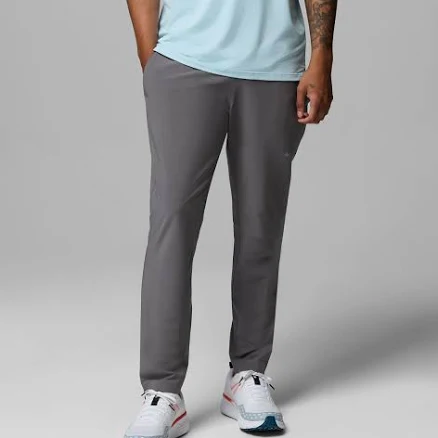
- cotton-blend chino twill (no water-repellent treatment noted)
- Azo dyes (synthetic colorants)
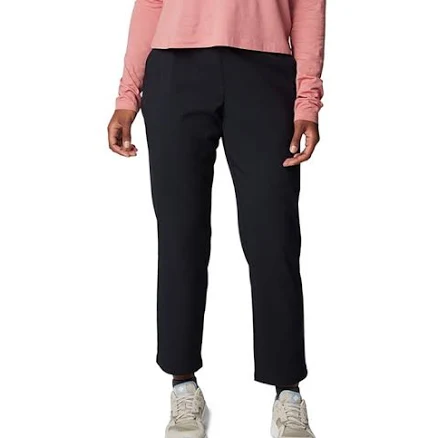
- Nylon/polyester blend knit, no stated water-repellent finish
- Formaldehyde / VOCs
3 hazards checked on this product, all on its full breakdown.
Find an alternative on Amazon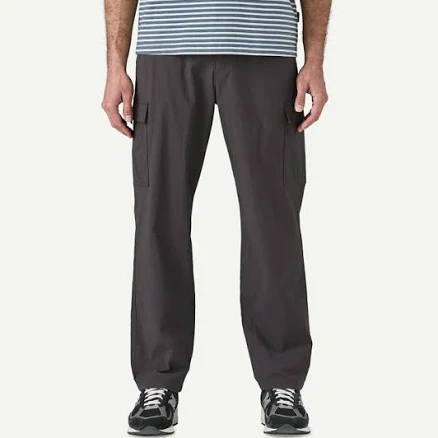
- Nylon blend with water-repellent coating water-repellent finish
- The brand calls it PFAS-free, which we have not verified
- water-repellent coating finish chemistry (unverified)
2 hazards checked on this product, all on its full breakdown.
Find an alternative on AmazonMore hiking pants grades
How we score, every product runs through the same public 0-100 rubric based on materials, coatings, brand disclosure, lab findings, and recalls. See the full methodology → Spotted a mistake? Report an error.