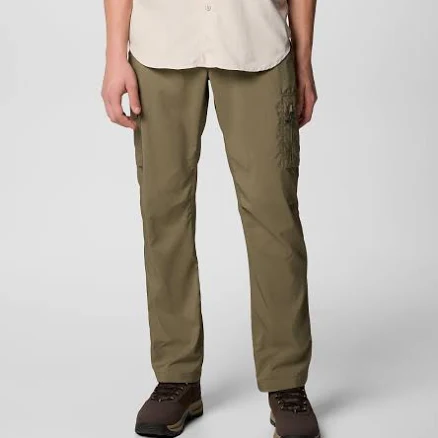
Columbia Men's Silver Ridge Utility Pants - Size 44 - Green
High risk; Columbia's silence on water-repellent coating chemistry is concerning, ask for treatment details before purchase.
Columbia does not publicly disclose the water-repellent coating chemistry on these nylon/polyester utility pants. water-repellent coating finishes historically relied on PFAS, though some brands now use fluorine-free alternatives.
Still want this one anyway? Check the price on Amazon. We’d swap it.
Material
nylon/polyester blend with water-repellent coating (water-repellent coating) treatment
Lab data
No public lab test
You may also be interested in
Top-graded picks in the categories readers replace first, every one scored on the same rubric.

- polypropylene filter housing, carbon/sediment cartridge
- We found no PFAS statement from the brand
- Bacterial growth in spent cartridges
3 hazards checked on this product, all on its full breakdown.

Aquasure
Premier Series 75 GPD Under Sink Reverse Osmosis Water Filtration System
- RO membrane, carbon filters, stainless steel housing
- We found no PFAS statement from the brand
- Bacterial and microbial growth in housing and filters
4 hazards checked on this product, all on its full breakdown.

Avocado
Vegan Mattress
- organic cotton, natural latex, coconut coir, recycled steel coils
- The brand calls it PFAS-free, which we have not verified
- Heavy metals
2 hazards checked on this product, all on its full breakdown.
What Columbia Men's Silver Ridge Utility Green is made of, ingredients and materials
These pants are a nylon/polyester blend, both synthetic polymers that are chemically stable during normal wear. The critical unknown is the water-repellent coating (water-repellent coating) finish applied to the exterior, which historically relied on PFAS-based fluorochemicals to repel water and stains. Columbia has not publicly committed to disclosing the chemical identity of its water-repellent coating formulation, leaving the treatment composition opaque. Nylon and polyester themselves do not leach hazardous substances under typical hiking conditions, but the finish chemistry directly affects overall safety.
What’s concerning
Category baseline
The starting point for this type of product, before anything specific to this product is counted.
No PFAS disclosure
No public statement from the brand about PFAS in this product.
Waterproof / stain-resistant treatment
Water-repellent coating treatments have historically used PFAS.
PFAS
Undisclosed water-repellent treatment on nylon/polyester blends historically uses PFAS fluorochemicals; Columbia's silence on formula is a strong indicator of legacy chemistry. PFAS bioaccumulates and is linked to immune and liver effects.
Source, ATSDR ↗Antimony in polyester fiber
Polyester production may use antimony as a catalyst; small residual amounts can remain in fibers. Exposure risk during normal wear is minimal, but repeated skin contact in warm conditions theoretically increases dermal absorption. No incidents reported for this product.
Microplastic shedding during wear and wash
Nylon and polyester shed microfibers during washing and abrasion. While primarily an environmental concern, inhaled or ingested microplastics from contaminated water are an emerging health question. Wear and launder these pants normally; microplastic generation is unavoidable with synthetic textiles.
What’s reassuring
Formaldehyde / VOCs
No public record of formaldehyde-based finishes or dye-release issues in Columbia Silver Ridge apparel. Standard industry controls typically limit residual formaldehyde in finished textiles to levels below regulatory concern thresholds.
Source, ATSDR ↗Heavy metals
No recalls or documented incidents of cadmium, lead, or restricted azo dyes in Columbia hiking pants. Green colorants in synthetic sportswear are generally well-regulated.
Source, FDA ↗How is this PFAS grade calculated?
The brand's record and disclosure
Columbia Sportswear does not maintain a public inventory of chemical treatments or water-repellent coating suppliers for specific SKUs, and has not signed the ZDHC (Zero Discharge of Hazardous Chemicals) Gateway or similar transparency pledges. The brand has faced no major product recalls tied to formaldehyde or heavy metals in apparel, suggesting baseline manufacturing controls are in place. However, their silence on fluorochemical policy contrasts with competitors like Patagonia and The North Face, which explicitly disclose PFAS-free or PFAS-reduction initiatives. This opacity is the primary red flag.
How it compares in its category
Hiking pants in this price and durability tier typically use either PFAS-based water-repellent coating (most common, lowest cost), PFC-free alternatives (polyurethane or fluorine-free polymers, increasingly standard), or no water-repellent treatment. Columbia's Silver Ridge line occupies the middle market, where PFAS use remains industry-standard despite growing alternatives. Competitors like REI Co-op and Outdoor Research have shifted to disclosed non-PFAS or PFAS-reduced water-repellent coating on comparable pants, making Columbia's lack of transparency a relative weakness in this category.
If you buy it
Contact Columbia customer service or check product tags for water-repellent coating supplier or chemistry details before purchase; if they cannot disclose, assume legacy PFAS-based treatment. Wash separately from other clothing in cold water before first wear to remove loose finish residues. Do not tumble-dry on high heat (nylon can degrade; excess heat may re-mobilize finish chemicals into fibers). Replace or retire the pants when seams fail or water-repellent coating visibly degrades (beading stops, water no longer sheets off); do not attempt to re-treat with commercial water-repellent coating sprays unless the product is labeled as not containing PFAS.
What is not known about PFAS in this product?
- Basis
- Model estimate, 45% confidence, not a lab result
- Lab test
- None on record for this exact product
- Brand statement
- Columbia has made a specific claim
Formulations change between production runs, so check the current label. How we grade.
What are the PFAS-free alternatives to Columbia Men's Silver Ridge Utility Pants - Size 44 - Green?
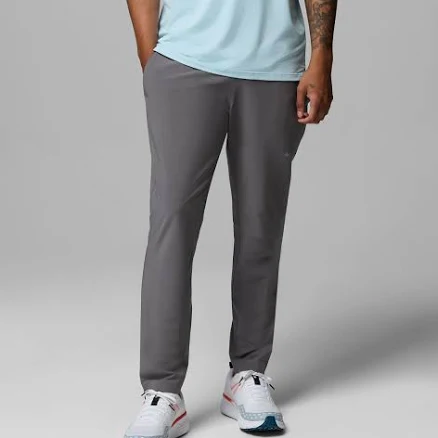
- cotton-blend chino twill (no water-repellent treatment noted)
- Azo dyes (synthetic colorants)
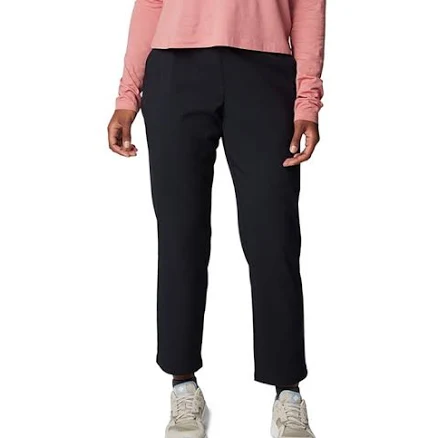
- Nylon/polyester blend knit, no stated water-repellent finish
- Formaldehyde / VOCs
3 hazards checked on this product, all on its full breakdown.
Find an alternative on Amazon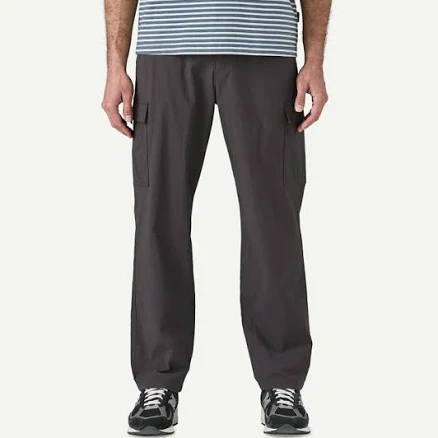
- Nylon blend with water-repellent coating water-repellent finish
- The brand calls it PFAS-free, which we have not verified
- water-repellent coating finish chemistry (unverified)
2 hazards checked on this product, all on its full breakdown.
Find an alternative on AmazonMore hiking pants grades
How we score, every product runs through the same public 0-100 rubric based on materials, coatings, brand disclosure, lab findings, and recalls. See the full methodology → Spotted a mistake? Report an error.