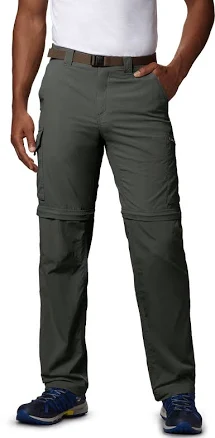
Columbia Men's Silver Ridge Convertible Pants
High risk; typical convertible pants use PFAS-containing water-repellent coating finishes without Columbia disclosure.
These nylon/polyester pants have a water-repellent coating finish historically reliant on PFAS-based treatments. Columbia does not publicly disclose PFAS presence or sourcing of its water-repellent coating chemistry.
Still want this one anyway? Check the price on Amazon. We’d swap it.
Material
nylon/polyester blend with water-repellent coating treatment
Lab data
No public lab test
You may also be interested in
Top-graded picks in the categories readers replace first, every one scored on the same rubric.

- polypropylene filter housing, carbon/sediment cartridge
- We found no PFAS statement from the brand
- Bacterial growth in spent cartridges
3 hazards checked on this product, all on its full breakdown.

Aquasure
Premier Series 75 GPD Under Sink Reverse Osmosis Water Filtration System
- RO membrane, carbon filters, stainless steel housing
- We found no PFAS statement from the brand
- Bacterial and microbial growth in housing and filters
4 hazards checked on this product, all on its full breakdown.

Avocado
Vegan Mattress
- organic cotton, natural latex, coconut coir, recycled steel coils
- The brand calls it PFAS-free, which we have not verified
- Heavy metals
2 hazards checked on this product, all on its full breakdown.
What Columbia Men's Silver Ridge Pants is made of, ingredients and materials
Columbia Silver Ridge Convertible Pants are a nylon/polyester blend with a water-repellent coating (water-repellent coating) finish applied to the exterior. The nylon and polyester themselves are stable synthetic fibers with low leaching risk during normal wear. The water-repellent coating treatment is the material concern, it is factory-applied to repel moisture and is typically fluorocarbon-based (PFAS family), though Columbia does not publicly disclose the specific chemistry. This finish degrades over time with washing and wear, gradually losing water-repellency and potentially releasing residual treatment chemicals.
What’s concerning
Category baseline
The starting point for this type of product, before anything specific to this product is counted.
No PFAS disclosure
No public statement from the brand about PFAS in this product.
Waterproof / stain-resistant treatment
Water-repellent coating treatments have historically used PFAS.
water-repellent coating (water-repellent coating) finish durability and degradation
The PFAS-based water-repellent coating on these pants is not permanent. Washing, sweat exposure, and UV reduce its effectiveness over 1-3 years of regular use. As it degrades, the finish may shed or flake slightly, and the initial fluorinated coating can be partially mobilized through laundering, particularly in the first few washes.
Microplastic shedding from synthetic fibers during washing
Nylon and polyester blend garments shed microplastics during laundry, particularly in the first 5-10 washes. Use a microfiber-catching filter or wash bag if microplastic pollution is a concern. This is a general hazard of synthetic textiles, not unique to Columbia or this product, but is worth acknowledging for environmental impact.
What’s reassuring
Formaldehyde / VOCs
No specific formaldehyde-release testing or recalls are on record for Columbia Silver Ridge Convertible Pants. Nylon and polyester can be finished with formaldehyde-based resins during manufacturing, but Columbia's process details are not public. Formaldehyde risk from this product line is not established.
Source, ATSDR ↗Heavy metals
No testing or recall data link Columbia convertible pants to azo dye toxins or heavy metal pigment contamination. Standard outdoor apparel dyeing practices are regulated in most supply chains, and Columbia's manufacturing partnerships typically include basic chemical compliance checks. No specific hazard alert exists for this product.
Source, FDA ↗Antimony in polyester fiber
Antimony trioxide is used as a catalyst in polyester production and can remain as a residue. Skin contact risk from intact apparel is minimal. No recall or testing data specific to Columbia Silver Ridge Convertible Pants indicates antimony leaching or accumulation during normal wear.
How is this PFAS grade calculated?
The brand's record and disclosure
Columbia Sportswear has not publicly committed to PFAS elimination or disclosed its water-repellent coating chemistry for this product line. The company has not announced a phase-out timeline for fluorinated treatments in apparel, unlike some outdoor brands. No major safety recalls or contamination incidents specific to Columbia convertible pants are on record. The brand's silence on water-repellent coating sourcing is typical for the outdoor apparel industry but leaves buyers without chemical certainty.
How it compares in its category
Most convertible hiking pants in this price range use PFAS-containing water-repellent coating finishes; Columbia is not an outlier. Brands offering fluorocarbon-free alternatives (paraffin-based or wax-based water-repellent coating) exist but are less common and often command higher prices. Columbia's reputation for durability and cost-effectiveness is strong, but transparency on chemical inputs lags behind leaders like Patagonia and Arc'teryx in their published PFAS reduction efforts. For function and price, Silver Ridge is mid-market; for chemical disclosure, it is below-average.
If you buy it
Wash infrequently and in cold water to slow water-repellent coating degradation and reduce re-application frequency. Avoid heat drying; air dry to prevent fiber and coating stress. Do not dry-clean, as solvents can strip the water-repellent coating layer and may mobilize residual fluorinated compounds. Plan to reapply a water-repellent coating finish (commercial spray or wash-in product) every 1-2 years depending on use; when you do, check the reapplication product's chemistry if PFAS is a concern. Replace the pants if seams weaken or if water-repellency cannot be restored, as this signals end-of-life for the protective layer.
What is not known about PFAS in this product?
- Basis
- Model estimate, 62% confidence, not a lab result
- Lab test
- None on record for this exact product
- Brand statement
- Columbia has made a specific claim
Formulations change between production runs, so check the current label. How we grade.
What are the PFAS-free alternatives to Columbia Men's Silver Ridge Convertible Pants?
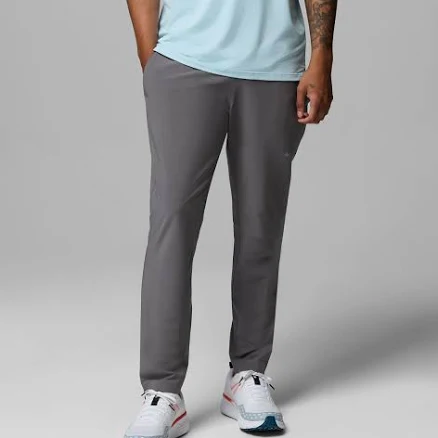
- cotton-blend chino twill (no water-repellent treatment noted)
- Azo dyes (synthetic colorants)
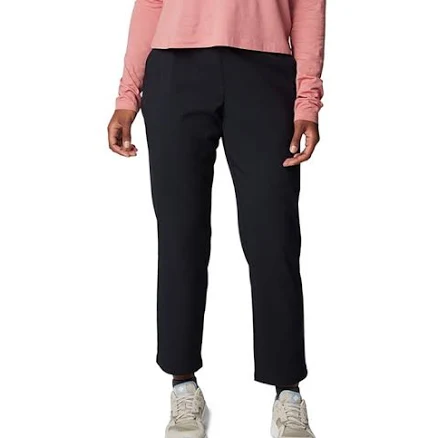
- Nylon/polyester blend knit, no stated water-repellent finish
- Formaldehyde / VOCs
3 hazards checked on this product, all on its full breakdown.
Find an alternative on Amazon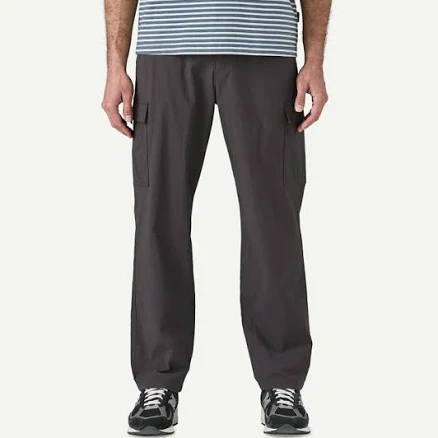
- Nylon blend with water-repellent coating water-repellent finish
- The brand calls it PFAS-free, which we have not verified
- water-repellent coating finish chemistry (unverified)
2 hazards checked on this product, all on its full breakdown.
Find an alternative on AmazonMore hiking pants grades
How we score, every product runs through the same public 0-100 rubric based on materials, coatings, brand disclosure, lab findings, and recalls. See the full methodology → Spotted a mistake? Report an error.