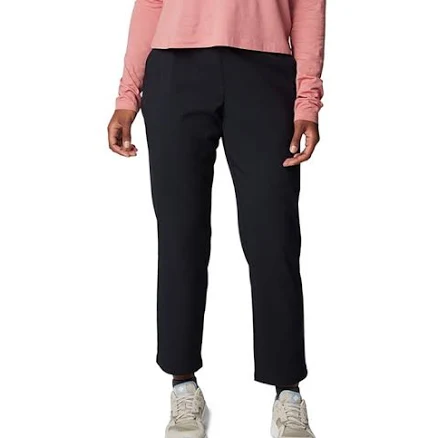
Columbia Women's All Seasons Pull-On Pants
Low-medium risk due to basic textile construction without brand transparency.
These nylon/polyester knit pants lack advertised water-repellent coating or stain-resistant coatings, the primary PFAS vector in apparel. Columbia has not disclosed PFAS information for this product.
Still want this one anyway? Check the price on Amazon. We’d swap it.
Material
Nylon/polyester blend knit, no stated water-repellent finish
Lab data
No public lab test
You may also be interested in
Top-graded picks in the categories readers replace first, every one scored on the same rubric.

- polypropylene filter housing, carbon/sediment cartridge
- We found no PFAS statement from the brand
- Bacterial growth in spent cartridges
3 hazards checked on this product, all on its full breakdown.

Aquasure
Premier Series 75 GPD Under Sink Reverse Osmosis Water Filtration System
- RO membrane, carbon filters, stainless steel housing
- We found no PFAS statement from the brand
- Bacterial and microbial growth in housing and filters
4 hazards checked on this product, all on its full breakdown.

Avocado
Vegan Mattress
- organic cotton, natural latex, coconut coir, recycled steel coils
- The brand calls it PFAS-free, which we have not verified
- Heavy metals
2 hazards checked on this product, all on its full breakdown.
What Columbia Women's All Seasons Pull-On Pants is made of, ingredients and materials
These pants are a nylon and polyester blend knit without a stated water-repellent or durable water-resistant (water-repellent coating) finish. This matters because water-repellent coating treatments on outdoor apparel often contain PFAS compounds to shed water; the absence of that coating reduces your exposure to forever chemicals. Nylon and polyester themselves are inert thermoplastics and do not leach harmful substances during normal wear. The knit construction (versus woven) offers comfort and stretch, typical for casual hiking and outdoor wear.
What’s concerning
Category baseline
The starting point for this type of product, before anything specific to this product is counted.
No PFAS disclosure
No public statement from the brand about PFAS in this product.
Formaldehyde / VOCs
Nylon and polyester textiles may contain residual formaldehyde from manufacturing finishes or sizing agents. Levels in casual apparel are typically low and off-gas during initial washes, but Columbia does not disclose finish chemistry for this product.
Source, ATSDR ↗Microplastics
Knit nylon and polyester garments shed microplastics during laundering, a documented environmental concern. Columbia's product does not exacerbate this beyond the textile category baseline; microfiber shedding is inherent to synthetic fabrics.
Source, EPA ↗Antimony in polyester
Antimony oxide is a catalyst used in some polyester production and may remain as a trace residue. Skin contact with antimony levels in textiles is not established as a direct hazard, but Columbia does not disclose antimony content or supplier standards.
What’s reassuring
Base material not linked to PFAS
The main material recorded for this product is not one associated with PFAS.
Azo dyes
No recalls or reports of restricted azo dyes in Columbia women's pants. Reputable cut-and-sew brands generally avoid azo compounds that cleave to carcinogenic amines, but specific dye testing is not publicly available for this SKU.
Heavy metals
No established reports of lead, cadmium, or other heavy metal contamination in Columbia apparel dyes. The brand is a major manufacturer with supply-chain oversight, reducing likelihood of uncontrolled metal exposure.
Source, FDA ↗How is this PFAS grade calculated?
The brand's record and disclosure
Columbia does not publicly disclose detailed chemical transparency reports or PFAS phase-out commitments comparable to leading outdoor brands. The company has not faced major textile safety recalls in recent years for its core apparel line. Columbia's silence on PFAS and chemical management is a gap in accountability; the brand is not a leader in third-party certifications like bluesign or GOTS for this product category. This neutral stance reflects industry baseline rather than exceptional risk.
How it compares in its category
Women's hiking pants in this price range typically come with water-repellent coating finishes containing PFAS or silicone-based water repellents. Columbia's uncoated nylon/polyester blend occupies a middle ground, it trades some water-shedding performance for lower chemical burden. Competitors like Patagonia and Arc'teryx emphasize PFAS-free or transparent water-repellent coating alternatives, while budget brands often use older PFC-heavy treatments. This product has lower concern than PFAS-coated alternatives but less weather optimization.
If you buy it
Wash in cool water with mild detergent and avoid high heat drying, which can degrade nylon fibers and reduce durability rather than create hazards. Because there is no water-repellent coating finish, water will bead less over time; reapply a PFAS-free water-repellent coating spray if needed (silicone-based options are available). Check seams and cuffs annually for small tears; nylon knits are prone to snagging, and early repair prevents unraveling. These pants will shed microfibers during washing like most synthetics; use a microfiber filter bag if concerned about aquatic impact.
What is not known about PFAS in this product?
- Basis
- Model estimate, 72% confidence, not a lab result
- Lab test
- None on record for this exact product
- Brand statement
- Columbia has made a specific claim
Formulations change between production runs, so check the current label. How we grade.
More hiking pants grades
How we score, every product runs through the same public 0-100 rubric based on materials, coatings, brand disclosure, lab findings, and recalls. See the full methodology → Spotted a mistake? Report an error.