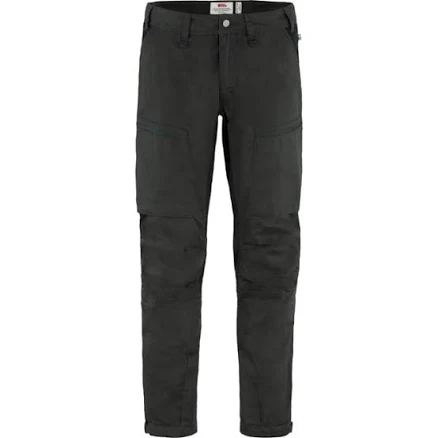
Fjallraven Abisko Lite Trekking Trousers Men's
Lower risk likely, but contact Fjallraven about water-repellent coating finish specifics.
These G-1000 blend pants feature a water-resistant finish, but Fjallraven does not publicly disclose PFAS content or PFAS-free adoption. The base material is conventional, but water-repellent coating formulation remains unspecified.
Still want this one anyway? Check the price on Amazon. We’d swap it.
Material
G-1000 fabric (65% polyester/35% cotton blend) with water-repellent coating finish
Brand disclosure
Brand is silent on PFAS
Lab data
No public lab test
You may also be interested in
Top-graded picks in the categories readers replace first, every one scored on the same rubric.

- polypropylene filter housing, carbon/sediment cartridge
- We found no PFAS statement from the brand
- Bacterial growth in spent cartridges
3 hazards checked on this product, all on its full breakdown.

Aquasure
Premier Series 75 GPD Under Sink Reverse Osmosis Water Filtration System
- RO membrane, carbon filters, stainless steel housing
- We found no PFAS statement from the brand
- Bacterial and microbial growth in housing and filters
4 hazards checked on this product, all on its full breakdown.

Avocado
Vegan Mattress
- organic cotton, natural latex, coconut coir, recycled steel coils
- The brand calls it PFAS-free, which we have not verified
- Heavy metals
2 hazards checked on this product, all on its full breakdown.
What Fjallraven Abisko Lite Trousers Men's is made of, ingredients and materials
Fjallraven's G-1000 is a 65% polyester/35% cotton blend with a water-repellent coating (water-repellent coating) finish applied to the surface. The polyester component introduces minimal toxicity risk during wear, though polyester can shed microfibers when laundered, particularly in abrasion-prone areas like seams and cuffs. Cotton is naturally low-hazard. The water-repellent coating finish is the primary unknown, Fjallraven does not publicly disclose whether it uses traditional PFOA/PFAS-based coatings or modern fluorine-free alternatives, making the coating chemistry opaque to consumers.
What’s concerning
Category baseline
The starting point for this type of product, before anything specific to this product is counted.
No PFAS disclosure
No public statement from the brand about PFAS in this product.
Waterproof / stain-resistant treatment
Water-repellent coating treatments have historically used PFAS.
Heavy metals
G-1000 is produced in dark earth tones; Bluesign certification on some Fjallraven lines suggests dye controls are applied selectively, but full G-1000 range compliance is not confirmed. Risk is low for outdoor wear but not zero.
Source, FDA ↗Microfiber shedding during laundering
Polyester-cotton blends shed microfibers in normal washing, particularly at seams; this is not a wearer hazard but an environmental concern. Use a microfiber catch bag if concerned about downstream water contamination.
water-repellent coating durability and reapplication hazard
If the original water-repellent coating contains PFAS and you reapply aftermarket fluorine-free treatments, adhesion failure and patchy water repellency may occur, forcing re-retreat with unknown formulations. Fjallraven's lack of disclosure on original coating makes this a longer-term maintenance unknown.
What’s reassuring
Dioxane (1,4-) in polyester synthesis residue
Polyester-cotton blends can theoretically retain trace 1,4-dioxane from manufacturing, but Fjallraven's supply chain and finished-goods testing are not public; no recalls or complaints on record for G-1000 trousers.
Antimony in polyester fiber
Polyester manufacturing may use antimony as a catalyst; Fjallraven does not disclose antimony levels. Standard polyester apparel has not shown dermal antimony transfer concerns in published literature.
How is this PFAS grade calculated?
The brand's record and disclosure
Fjallraven is owned by Svea Gruppen and markets itself as a sustainability-focused outdoor brand with Bluesign certification on some products, but does not maintain public PFAS-free commitments or transparency on water-repellent coating chemistry across its range. The company has not faced major product safety recalls related to chemical hazards in recent years. However, their silence on water-repellent coating specifics is notable in an industry where leading competitors (Arc'teryx, Patagonia) increasingly disclose fluorine-free water-repellent coating adoption; this lack of disclosure suggests older coating formulations may still be in use but is not confirmed.
How it compares in its category
Premium trekking trousers typically use polyester-cotton blends or full synthetic fabrics; G-1000 is a durable mid-range option favored for abrasion resistance and breathability. Competitors like Salewa and Columbia increasingly market fluorine-free water-repellent coating finishes, giving them an edge in transparency. Fjallraven's G-1000 remains a solid choice for durability but lacks the chemical disclosure that distinguishes leading-edge outdoor apparel brands. Overall positioning is middle-of-the-road for safety transparency in the hiking apparel category.
If you buy it
Wash in cool water with mild detergent and avoid fabric softeners, which can degrade the water-repellent coating finish and force re-treatment with unknown coatings. Line-dry rather than machine-dry to minimize heat stress on polyester and extend garment life. After 10-15 wash cycles, the water-repellent coating will fade; Fjallraven sells re-treatment products, but contact them to confirm the formulation before applying if PFAS exposure is a concern. Consider this a 3-5 year garment for regular backpacking use; replacement is an option to explore if water-repellent coating concerns escalate.
What is not known about PFAS in this product?
- Basis
- Model estimate, 65% confidence, not a lab result
- Lab test
- None on record for this exact product
- Brand statement
- Fjallraven has made none
Formulations change between production runs, so check the current label. How we grade.
What are the PFAS-free alternatives to Fjallraven Abisko Lite Trekking Trousers Men's?
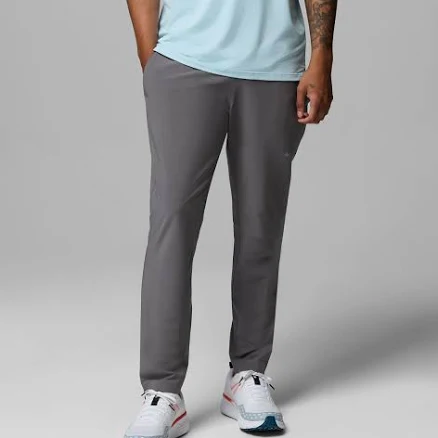
- cotton-blend chino twill (no water-repellent treatment noted)
- Azo dyes (synthetic colorants)
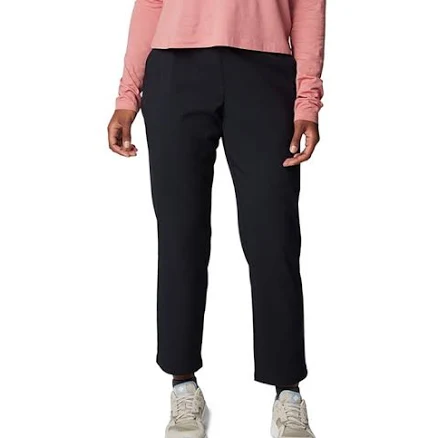
- Nylon/polyester blend knit, no stated water-repellent finish
- Formaldehyde / VOCs
3 hazards checked on this product, all on its full breakdown.
Find an alternative on Amazon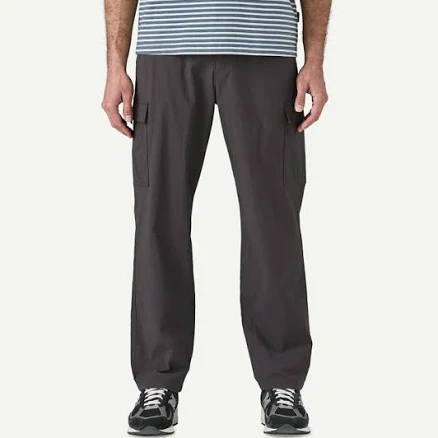
- Nylon blend with water-repellent coating water-repellent finish
- The brand calls it PFAS-free, which we have not verified
- water-repellent coating finish chemistry (unverified)
2 hazards checked on this product, all on its full breakdown.
Find an alternative on AmazonMore hiking pants grades
How we score, every product runs through the same public 0-100 rubric based on materials, coatings, brand disclosure, lab findings, and recalls. See the full methodology → Spotted a mistake? Report an error.