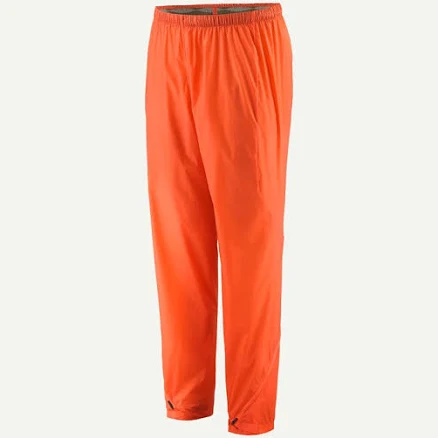
Patagonia Men's Houdini Rock Climbing Pants
A water-repellent or grease-resistant treatment of unstated chemistry, with a brand PFAS statement we have not verified.
Patagonia says 100% of its new products from Spring 2025 are made without intentionally added PFAS. We record that as an unverified brand claim. Its record describes a water-repellent or grease-resistant treatment of unstated chemistry, which is still counted.
Brand says: “Patagonia says 100% of its new products from Spring 2025 are made without intentionally added PFAS.”
Still want this one anyway? Check the price on Amazon. We’d swap it.
Material
Nylon with water-repellent coating finish
Brand disclosure
Brand claims PFAS-free
Lab data
No public lab test
You may also be interested in
Top-graded picks in the categories readers replace first, every one scored on the same rubric.

- polypropylene filter housing, carbon/sediment cartridge
- We found no PFAS statement from the brand
- Bacterial growth in spent cartridges
3 hazards checked on this product, all on its full breakdown.

Aquasure
Premier Series 75 GPD Under Sink Reverse Osmosis Water Filtration System
- RO membrane, carbon filters, stainless steel housing
- We found no PFAS statement from the brand
- Bacterial and microbial growth in housing and filters
4 hazards checked on this product, all on its full breakdown.

Avocado
Vegan Mattress
- organic cotton, natural latex, coconut coir, recycled steel coils
- The brand calls it PFAS-free, which we have not verified
- Heavy metals
2 hazards checked on this product, all on its full breakdown.
What Patagonia Men's Houdini Climbing Pants is made of, ingredients and materials
These pants are constructed from nylon, a synthetic polymer that is durable, lightweight, and well-suited to climbing and outdoor wear. The fabric is treated with a water-repellent coating (water-repellent coating) finish to shed water and light abrasion; the specific chemistry of this finish is not disclosed on product labeling or readily available in public Patagonia documentation. Nylon itself does not pose inherent toxicity concerns, but the finishing treatment is the material element requiring scrutiny, particularly around PFAS content.
What’s concerning
Category baseline
The starting point for this type of product, before anything specific to this product is counted.
Waterproof / stain-resistant treatment
Water-repellent coating treatments have historically used PFAS.
Formaldehyde / VOCs
Nylon textiles sometimes use formaldehyde-containing resins in dye-fixing and finishes to improve colorfastness. No specific formaldehyde-release testing or content disclosure is available for this product, but nylon-dyed apparel in general warrants pre-wash to reduce exposure to any residual formaldehyde.
Source, ATSDR ↗Skin sensitization from finish residues
Water-repellent coating treatments and any residual dye or resin compounds may cause contact dermatitis in sensitive individuals, particularly if the garment is not rinsed thoroughly before first wear. Pre-washing new climbing pants reduces risk of irritation from finish contact with skin during active use.
Microfiber shedding during wear and washing
Nylon textiles shed microfibers during washing and abrasion; while not a direct consumer toxicity hazard, accumulated microfiber release contributes to environmental microplastic pollution. Using a laundry catch bag and cold water wash minimizes fiber loss.
What’s reassuring
Brand-stated PFAS-free
The brand states this product is PFAS-free. We have not verified the claim.
Azo dyes and colorant safety
No reported incidents or findings of restricted azo dyes in Patagonia climbing apparel. The brand's Bluesign certification includes screening for hazardous dyes, which reduces likelihood of carcinogenic or allergenic azo compounds in the final garment.
Antimony in polyester blends
This product is specified as nylon, not polyester, so antimony catalyst residues from polyester synthesis are not a concern. Nylon production uses different catalysts and does not typically introduce antimony contamination.
How is this PFAS grade calculated?
The brand's record and disclosure
Patagonia has a well-documented public commitment to reducing and eliminating PFAS across its apparel lines and publishes transparency reports on chemical use. However, for this specific product, the brand has not independently verified or publicly detailed the water-repellent coating chemistry, so its PFAS-free claim cannot be confirmed from available sources. Patagonia does hold third-party certifications (Bluesign, Fair Trade Work Certified) that speak to labor and broader chemical management, though these do not exclude all PFAS-class compounds. The brand's general track record is strong on sustainability messaging, but product-level chemical transparency for this style remains incomplete.
How it compares in its category
Climbing and technical hiking pants in this performance tier typically use nylon with either PFC-based water-repellent coating (traditional but linked to PFAS), newer water-repellent coating alternatives not linked to PFAS, or wax-based repellency. Patagonia's market position and stated values would suggest a lower-PFAS or PFAS-free approach, but the unverified finish makes direct comparison difficult. Competitor brands (Arc'teryx, Black Diamond, The North Face) similarly lack granular public disclosure on specific water-repellent coating chemistry in many product lines, making this less an outlier than a category-wide transparency gap.
If you buy it
Wash these pants in cool water with a mild detergent and avoid hot water or high heat, which could accelerate any residual finish degradation and potential leaching. Do not dry-clean, as industrial solvents can interact unpredictably with the water-repellent coating layer. The water-repellent coating finish will gradually diminish with wear and washing; Patagonia offers a re-treatment service or you can purchase aftermarket nylon-safe water-repellent coating sprays to extend water-shedding performance. Store dry and avoid prolonged direct sunlight, which can photodegrade nylon over time.
What is not known about PFAS in this product?
- Basis
- Model estimate, 45% confidence, not a lab result
- Lab test
- None on record for this exact product
- Brand statement
- Patagonia has made a specific claim
Formulations change between production runs, so check the current label. How we grade.
What are the PFAS-free alternatives to Patagonia Men's Houdini Rock Climbing Pants?
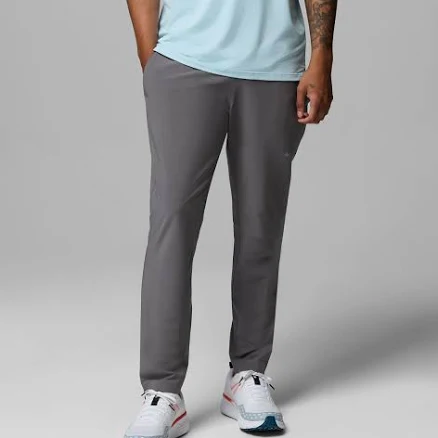
- cotton-blend chino twill (no water-repellent treatment noted)
- Azo dyes (synthetic colorants)
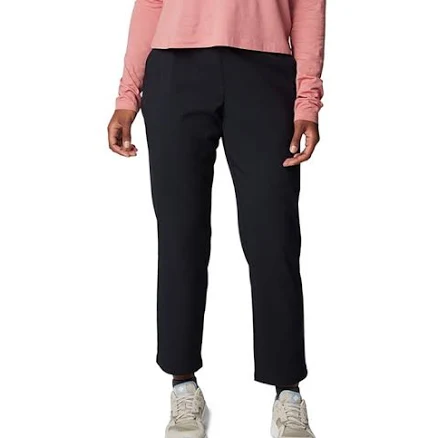
- Nylon/polyester blend knit, no stated water-repellent finish
- Formaldehyde / VOCs
3 hazards checked on this product, all on its full breakdown.
Find an alternative on AmazonMore hiking pants grades
How we score, every product runs through the same public 0-100 rubric based on materials, coatings, brand disclosure, lab findings, and recalls. See the full methodology → Spotted a mistake? Report an error.