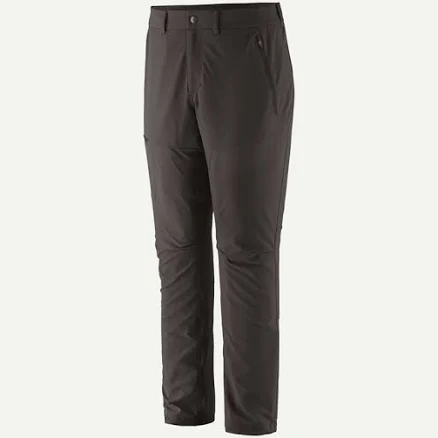
Patagonia Men's Terravia Trail Pants
A water-repellent or grease-resistant treatment of unstated chemistry, with a brand PFAS statement we have not verified.
Patagonia says 100% of its new products from Spring 2025 are made without intentionally added PFAS. We record that as an unverified brand claim. Its record describes a water-repellent or grease-resistant treatment of unstated chemistry, which is still counted.
Brand says: “Patagonia says 100% of its new products from Spring 2025 are made without intentionally added PFAS.”
Still want this one anyway? Check the price on Amazon. We’d swap it.
Material
nylon/polyester blend with water-repellent coating treatment
Brand disclosure
Brand claims PFAS-free
Lab data
No public lab test
You may also be interested in
Top-graded picks in the categories readers replace first, every one scored on the same rubric.

- polypropylene filter housing, carbon/sediment cartridge
- We found no PFAS statement from the brand
- Bacterial growth in spent cartridges
3 hazards checked on this product, all on its full breakdown.

Aquasure
Premier Series 75 GPD Under Sink Reverse Osmosis Water Filtration System
- RO membrane, carbon filters, stainless steel housing
- We found no PFAS statement from the brand
- Bacterial and microbial growth in housing and filters
4 hazards checked on this product, all on its full breakdown.

Avocado
Vegan Mattress
- organic cotton, natural latex, coconut coir, recycled steel coils
- The brand calls it PFAS-free, which we have not verified
- Heavy metals
2 hazards checked on this product, all on its full breakdown.
What Patagonia Men's Terravia Trail Pants is made of, ingredients and materials
These pants are a nylon-polyester blend, a common durable base for hiking apparel. The water-repellent coating (water-repellent coating) treatment applied to the surface is what makes them water-resistant, but Patagonia has not publicly disclosed the chemistry of this specific treatment. Nylon and polyester themselves are stable, low-toxicity synthetics under normal wear; the risk profile depends entirely on what chemicals were used in the water-repellent coating finish and how they perform over time.
What’s concerning
Category baseline
The starting point for this type of product, before anything specific to this product is counted.
Waterproof / stain-resistant treatment
Water-repellent coating treatments have historically used PFAS.
PFAS
The water-repellent coating finish chemistry is not disclosed; Patagonia claims PFAS-free but provides no independent verification. This is the primary hazard for this product and warrants direct inquiry with the brand.
Source, ATSDR ↗water-repellent coating degradation and microfiber shedding
Synthetic textiles shed microfibers during wear and washing; water-repellent coating coatings may accelerate this. While not specific to Patagonia, all treated nylon apparel sheds microplastics into waterways, a known environmental and potential human exposure pathway.
What’s reassuring
Brand-stated PFAS-free
The brand states this product is PFAS-free. We have not verified the claim.
Formaldehyde / VOCs
No public record of formaldehyde-based finishing on Patagonia nylon apparel; the brand's environmental focus suggests avoidance, but absence of evidence is not confirmation.
Source, ATSDR ↗Azo dyes
Patagonia does not publicly disclose dye chemistry for this product. Azo dyes are restricted in EU textiles but remain unregulated in US apparel; no specific report against this model.
Antimony in polyester
Antimony (a catalyst in polyester production) can leach from raw polyester, but finished apparel worn against skin presents negligible exposure. No established concern for this product category.
How is this PFAS grade calculated?
The brand's record and disclosure
Patagonia has made a public commitment to eliminating PFAS from its products and supply chain, positioning itself as a leader on this issue. However, their PFAS-free claim for this product line has not been independently verified by a third-party testing body. The company's broader environmental stance is well-documented, but specific material safety disclosures for individual products remain limited. Consumers relying on their PFAS-free assertion are doing so on brand promise rather than transparent testing data.
How it compares in its category
Most hiking pants at this price and quality tier use similar nylon-polyester blends with water-repellent coating treatments; Patagonia's differentiation is primarily brand reputation and durability, not material chemistry. Competitors vary widely in their PFAS disclosure, some (like Fjallraven) name specific non-PFAS alternatives, while others remain silent. The Terravia's unverified claim puts it in a middle ground where transparency lags behind marketing language, which is unfortunately typical in the outdoor apparel sector.
If you buy it
Wash in cool water and avoid high heat, which can degrade synthetic coatings and theoretically release volatiles. The water-repellent coating treatment will diminish with repeated washing; Patagonia sells water-repellent coating refresh products, but reapplication introduces new chemical exposure. Inspect seams and cuffs for wear, as degraded coating at stress points is where unverified treatment chemistry poses the greatest contact risk. If the unverified PFAS status concerns you, contact Patagonia directly to request third-party test results before purchase.
What is not known about PFAS in this product?
- Basis
- Model estimate, 62% confidence, not a lab result
- Lab test
- None on record for this exact product
- Brand statement
- Patagonia has made a specific claim
Formulations change between production runs, so check the current label. How we grade.
What are the PFAS-free alternatives to Patagonia Men's Terravia Trail Pants?
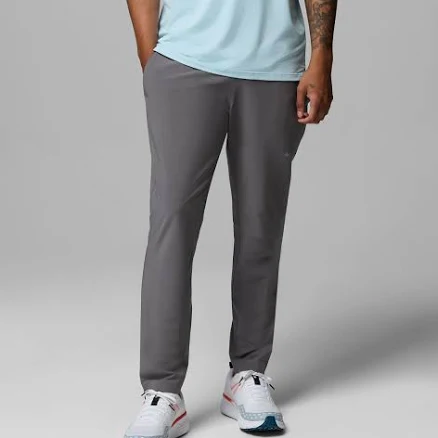
- cotton-blend chino twill (no water-repellent treatment noted)
- Azo dyes (synthetic colorants)
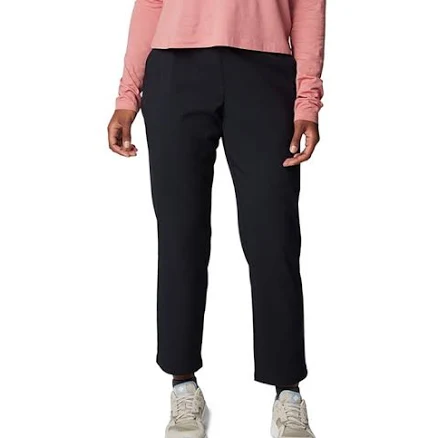
- Nylon/polyester blend knit, no stated water-repellent finish
- Formaldehyde / VOCs
3 hazards checked on this product, all on its full breakdown.
Find an alternative on AmazonMore hiking pants grades
How we score, every product runs through the same public 0-100 rubric based on materials, coatings, brand disclosure, lab findings, and recalls. See the full methodology → Spotted a mistake? Report an error.