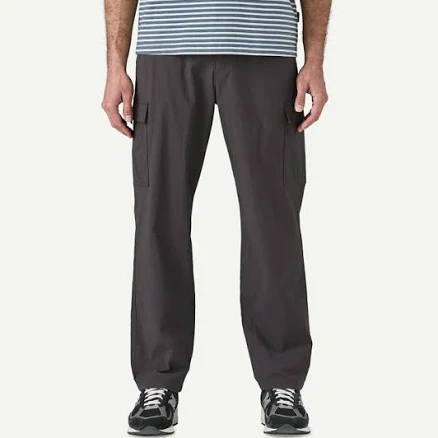
Patagonia Men's Outdoor Everyday Pants
A water-repellent or grease-resistant treatment of unstated chemistry, with a brand PFAS statement we have not verified.
Patagonia says 100% of its new products from Spring 2025 are made without intentionally added PFAS. We record that as an unverified brand claim. Its record describes a water-repellent or grease-resistant treatment of unstated chemistry, which is still counted.
Brand says: “Patagonia says 100% of its new products from Spring 2025 are made without intentionally added PFAS.”
Still want this one anyway? Check the price on Amazon. We’d swap it.
Material
Nylon blend with water-repellent coating water-repellent finish
Brand disclosure
Brand claims PFAS-free
Lab data
No public lab test
You may also be interested in
Top-graded picks in the categories readers replace first, every one scored on the same rubric.

- polypropylene filter housing, carbon/sediment cartridge
- We found no PFAS statement from the brand
- Bacterial growth in spent cartridges
3 hazards checked on this product, all on its full breakdown.

Aquasure
Premier Series 75 GPD Under Sink Reverse Osmosis Water Filtration System
- RO membrane, carbon filters, stainless steel housing
- We found no PFAS statement from the brand
- Bacterial and microbial growth in housing and filters
4 hazards checked on this product, all on its full breakdown.

Avocado
Vegan Mattress
- organic cotton, natural latex, coconut coir, recycled steel coils
- The brand calls it PFAS-free, which we have not verified
- Heavy metals
2 hazards checked on this product, all on its full breakdown.
What Patagonia Men's Outdoor Everyday Pants is made of, ingredients and materials
These pants are nylon blend, a durable synthetic that resists abrasion and moisture well in outdoor use. The water-repellent coating (water-repellent coating) finish is applied to the fabric surface to shed rain and light stains; this finish is where chemical hazards typically concentrate. Patagonia has stated a commitment to PFAS-free chemistry, but the specific water-repellent coating treatment chemistry is not publicly disclosed on product labels or their website.
What’s concerning
Category baseline
The starting point for this type of product, before anything specific to this product is counted.
Waterproof / stain-resistant treatment
Water-repellent coating treatments have historically used PFAS.
water-repellent coating finish chemistry (unverified)
The finish is stated as PFAS-free by the brand but the specific replacement chemistry (likely fluorine-free wax or silicone-based) is not disclosed. No test results are available to the public.
Coating degradation and reapplication
Like all water-repellent coating finishes, the treatment will wear off through use and washing. Users must re-treat the pants (via specialized water-repellent coating products) to maintain water repellency; improper or frequent reapplication using consumer products may introduce additional chemicals.
What’s reassuring
Brand-stated PFAS-free
The brand states this product is PFAS-free. We have not verified the claim.
Formaldehyde / VOCs
Patagonia maintains sourcing standards that typically exclude formaldehyde-based finishing resins. No recalls or documented issues for this product line are on record.
Source, ATSDR ↗Azo dyes
Patagonia's manufacturing partnerships and certifications generally align with restricted azo dye standards. No known violations for this product have been reported.
Antimony in polyester components
While the primary fiber is nylon, any polyester blending would use catalysts; Patagonia's supplier standards are designed to limit heavy metal additives, though this is not independently verified on the label.
How is this PFAS grade calculated?
The brand's record and disclosure
Patagonia has a documented history of transparency on environmental and labor practices, and has made public commitments to phase out PFAS in their product lines. However, the company has not published independent test results confirming the water-repellent coating treatment on this specific product meets those claims. No voluntary third-party certifications (such as OEKO-TEX or GOTS) are listed for this product, which limits verification of both PFAS absence and other chemical hazards.
How it compares in its category
Hiking pants in this segment typically use nylon with either PFAS-based water-repellent coating (the industry standard until recent years) or newer non-fluorine alternatives. Patagonia's positioning as PFAS-aware places this product higher in category transparency than many mid-market brands, but below brands that certify finishes with third-party testing. Most competitors in the outdoor apparel space offer similar nylon blends; Patagonia's advantage lies in brand commitment rather than established independent verification of this product.
If you buy it
Wash in cool water with mild detergent and avoid chlorine bleach, which can degrade synthetic fibers and finishes. Do not dry-clean or tumble-dry; air dry to preserve the water-repellent coating. The water-repellent finish will diminish over 50-100 washes; when beading stops, the pants remain functional but will absorb moisture faster. If you require strong assurance of PFAS-free status, request the product's technical data sheet from Patagonia customer service before purchase.
What is not known about PFAS in this product?
- Basis
- Model estimate, 62% confidence, not a lab result
- Lab test
- None on record for this exact product
- Brand statement
- Patagonia has made a specific claim
Formulations change between production runs, so check the current label. How we grade.
What are the PFAS-free alternatives to Patagonia Men's Outdoor Everyday Pants?
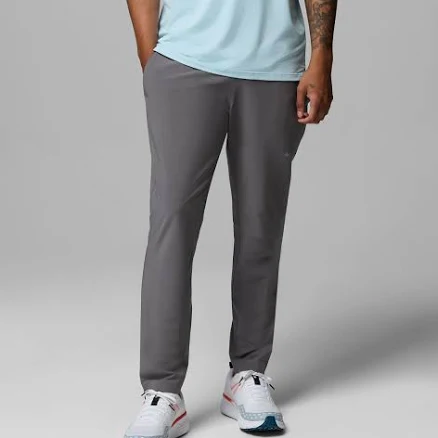
- cotton-blend chino twill (no water-repellent treatment noted)
- Azo dyes (synthetic colorants)
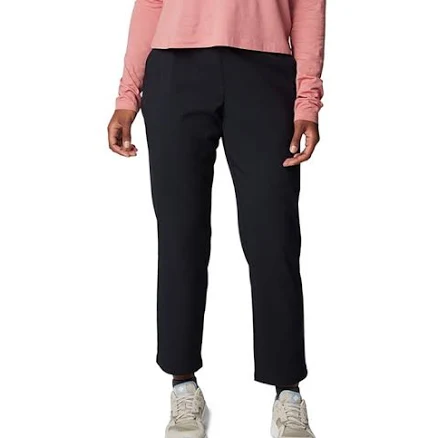
- Nylon/polyester blend knit, no stated water-repellent finish
- Formaldehyde / VOCs
3 hazards checked on this product, all on its full breakdown.
Find an alternative on AmazonMore hiking pants grades
How we score, every product runs through the same public 0-100 rubric based on materials, coatings, brand disclosure, lab findings, and recalls. See the full methodology → Spotted a mistake? Report an error.