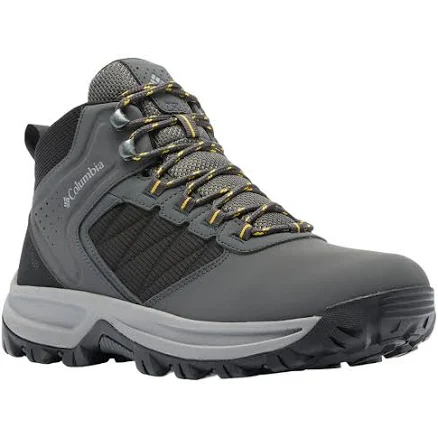
Columbia Men's Transverse Hike Waterproof Hiking Boots
Unknown waterproof treatment; Columbia silent on PFAS. Higher caution.
Columbia does not disclose PFAS use or avoidance in this boot's waterproof treatment. Waterproof hiking boots typically use water-repellent coating coatings that may contain PFAS, but treatment specifics are unconfirmed here.
Still want this one anyway? Check the price on Amazon. We’d swap it.
Material
Leather/textile upper with water-repellent coating waterproof treatment
Lab data
No public lab test
You may also be interested in
Top-graded picks in the categories readers replace first, every one scored on the same rubric.

Aqua Pure
3M Aqua-Pure AP802B Whole House Filter Housing
- polypropylene filter housing, carbon/sediment cartridge
- We found no PFAS statement from the brand
- Bacterial growth in spent cartridges
3 hazards checked on this product. See all of them.

Aquasure
Premier Series 75 GPD Under Sink Reverse Osmosis Water Filtration System
- RO membrane, carbon filters, stainless steel housing
- We found no PFAS statement from the brand
- Bacterial and microbial growth in housing and filters
4 hazards checked on this product. See all of them.

Avocado
Vegan Mattress
- organic cotton, natural latex, coconut coir, recycled steel coils
- The brand calls it PFAS-free, which we have not verified
- Heavy metals
2 hazards checked on this product. See all of them.
What Columbia Men's Transverse Hike Waterproof is made of, ingredients and materials
These boots combine leather uppers with textile components and a water-repellent coating (water-repellent coating) finish. The water-repellent coating treatment is the functional concern here, it repels water to keep feet dry during hiking, but the specific chemistry is not publicly disclosed by Columbia. Leather itself is generally low-concern for consumer hazards, but textile blends may include polyester or nylon, which sometimes contain antimony as a catalyst residue during manufacture, though levels are typically very low in finished apparel.
What’s concerning
Waterproof / stain-resistant treatment
Water-repellent coating treatments have historically used PFAS.
Category baseline
The starting point for this type of product, before anything specific to this product is counted.
No PFAS disclosure
No public statement from the brand about PFAS in this product.
Antimony in polyester content
If the textile blend includes polyester (common in hiking boot linings and reinforcement), residual antimony from manufacture is possible but typically <100 ppm and not a consumer health concern at these levels during normal wear. No specific data for this product.
PFAS
Columbia does not disclose the water-repellent coating agent (PFAS vs. fluorine-free alternative). Some fluorine-free water-repellent coating treatments use silicone or wax; others may include solvents. Without transparency, the non-PFAS chemical profile cannot be assessed; this is a data gap, not a confirmed hazard.
Source, ATSDR ↗What’s reassuring
Formaldehyde / VOCs
No recalls or reported formaldehyde-finish issues in Columbia hiking boots. Textile components may use resins for shape-holding, but formaldehyde at low levels is standard in outdoor apparel and off-gasses minimally during normal wear.
Source, ATSDR ↗Azo dyes in textiles and leather
No public reports of restricted azo dyes in Columbia boots. Leather and synthetic textiles in this category are subject to EU/REACH restrictions if marketed in Europe, and Columbia distributes globally; no safety alerts found.
Seam sealant or adhesive outgassing
Waterproof hiking boots often use polyurethane sealants on seams. Columbia boots are not known to off-gas significantly, and this is normal in the category; no recalls or complaints on record.
The full breakdown
The brand's record and disclosure
Columbia Sportswear has not published transparent ingredient disclosures or PFAS commitments comparable to leading outdoor brands. The company does not routinely disclose water-repellent coating treatment chemistry on product pages. No major safety recalls specific to formaldehyde or dye hazards in Columbia boots are on record, but the lack of proactive chemical transparency is a weak point for consumer confidence in waterproof treatments.
How it compares in its category
Most waterproof hiking boots in this price range use either PFAS-based water-repellent coating (water-repellent) or fluorine-free alternatives; Columbia does not specify which. Premium outdoor brands increasingly market PFAS-free waterproofing, but Columbia's silence suggests either legacy PFAS chemistry or lack of third-party verification. For comparison, some competitors (e.g., Salomon, La Sportiva) provide clearer material disclosures or PFAS-free marketing.
If you buy it
Wear and care normally; no special precautions needed during typical hiking use. Clean with mild soap and water; avoid machine washing or prolonged soaking that could stress seams. Replace the boots when the sole wears or the water-repellent coating visibly breaks down (water no longer beads on the upper). Store in a cool, dry place to extend lifespan; do not leave wet boots in sealed containers where mold can grow in the textile lining.
What we don’t know
- Basis
- Model estimate, 35% confidence, not a lab result
- Lab test
- None on record for this exact product
- Brand statement
- Columbia has made a specific claim
Formulations change between production runs, so check the current label. How we grade.
Better-graded alternatives in Waterproof Boots
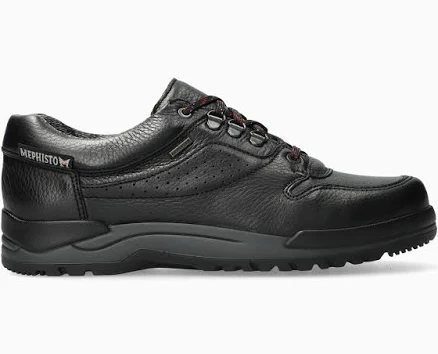
Mephisto
Men Mephisto Curt Mt SNEAKER
- leather, textile, rubber sole
- We found no PFAS statement from the brand
- Volatile organic compounds (VOC) off-gassing from adhesives
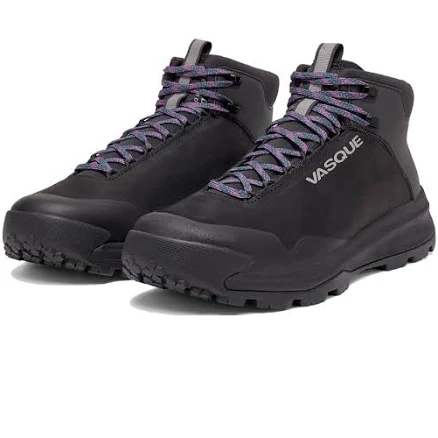
Vasque
Hiking shoes Vasque Women's Horizon Mid
- Leather/nubuck upper, synthetic/rubber sole, no coating disclosed
- We found no PFAS statement from the brand
- Azo dyes (leather/textile coloring)
4 hazards checked on this product. See all of them.
Find an alternative on AmazonMore waterproof boots grades
How we score, every product runs through the same public 0-100 rubric based on materials, coatings, brand disclosure, lab findings, and recalls. See the full methodology → Spotted a mistake? Report an error.