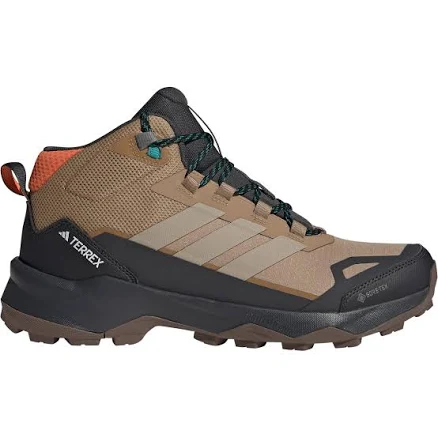
adidas Men's Terrex Skychaser AX5 GORE-TEX Mid Hiking Shoes
GORE-TEX typically uses PFAS; Adidas discloses nothing about this shoe.
GORE-TEX waterproof membrane is historically Teflon-family coating-based and likely contains PFAS. Adidas provides no PFAS disclosure or commitment for this model, leaving uncertainty.
Still want this one anyway? Check the price on Amazon. We’d swap it.
Material
GORE-TEX membrane (Teflon-family coating-based waterproof layer)
Lab data
No public lab test
You may also be interested in
Top-graded picks in the categories readers replace first, every one scored on the same rubric.

- polypropylene filter housing, carbon/sediment cartridge
- We found no PFAS statement from the brand
- Bacterial growth in spent cartridges
3 hazards checked on this product, all on its full breakdown.

Aquasure
Premier Series 75 GPD Under Sink Reverse Osmosis Water Filtration System
- RO membrane, carbon filters, stainless steel housing
- We found no PFAS statement from the brand
- Bacterial and microbial growth in housing and filters
4 hazards checked on this product, all on its full breakdown.

Avocado
Vegan Mattress
- organic cotton, natural latex, coconut coir, recycled steel coils
- The brand calls it PFAS-free, which we have not verified
- Heavy metals
2 hazards checked on this product, all on its full breakdown.
What adidas Men's Terrex Mid Hiking Shoes is made of, ingredients and materials
These hiking shoes combine a GORE-TEX Teflon-family coating membrane (the waterproof breathable layer) with synthetic uppers, likely polyester and nylon, plus a rubber outsole. GORE-TEX's waterproofing mechanism inherently depends on PFAS chemistry to create the pore structure that repels liquid water while allowing vapor through. The shoe also uses foam midsoles (EVA or polyurethane) and adhesives that off-gas volatile compounds during the shoe's life, especially when new or exposed to heat.
What’s concerning
Waterproof / stain-resistant treatment
Water-repellent coating treatments have historically used PFAS.
Category baseline
The starting point for this type of product, before anything specific to this product is counted.
No PFAS disclosure
No public statement from the brand about PFAS in this product.
Volatile organic compounds (VOCs) from foam and synthetic materials
EVA foam midsoles and polyurethane adhesives emit VOCs (aldehydes, ketones, toluene) especially when new and in warm conditions. Off-gassing is heaviest in the first 1-2 weeks; wearer exposure occurs through inhalation and skin contact. This is inherent to athletic footwear and not specific to Adidas.
What’s reassuring
Azo dyes in synthetic fabrics
Adidas does not disclose azo dye restrictions for this specific shoe. Standard synthetic textiles may contain azo dyes that release aromatic amines under sweat or friction, though skin contact risk is generally low unless dye migration occurs. No recalls or incidents on record for this model.
Antimony in polyester fabrics and dyes
If polyester uppers use antimony oxide as a catalyst or pigment, trace leaching via sweat is possible but unlikely at hazardous levels given external contact and normal skin barrier. No evidence or recalls of antimony exposure from Adidas Terrex shoes.
Talc contamination in shoe powder or linings
These shoes do not list talc-based foot powder in product literature. If custom-applied powder is used for comfort, user is responsible for product safety; talc minerals can carry asbestos risk depending on source. Adidas does not use talc as a lining agent in this model per available specifications.
How is this PFAS grade calculated?
The brand's record and disclosure
Adidas has made public commitments to reduce PFAS in manufacturing but does not disclose PFAS content on individual shoe products or provide a timeline for phasing out GORE-TEX in favor of alternatives. The company holds certifications like the Bluesign system for some product lines but this Terrex shoe lacks explicit third-party verification of PFAS limits. Adidas has faced no major recalls specific to PFAS or heavy metals in this shoe model.
How it compares in its category
Most premium hiking shoes use either GORE-TEX or comparable Teflon-family coating membranes (eVent, similar chemistries); non-Teflon-family coating waterproof options exist (waxed fabrics, hydrophobic coatings) but offer lower breathability and durability on rugged terrain. This shoe occupies the mainstream mid-range performance segment where PFAS exposure is nearly universal. The Terrex line is known for durability and field performance; comparable GORE-TEX competitors like Salomon and Merrell carry identical PFAS concerns.
If you buy it
Air out new shoes in ventilation for 24-48 hours to reduce initial off-gassing of adhesives and foam. Avoid prolonged heat exposure (direct sunlight, car trunks, heat-drying) which accelerates VOC release and membrane degradation. Clean regularly with mild soap and water; do not machine-wash or tumble-dry, as heat and agitation degrade GORE-TEX and synthetic coatings. Replace when treads wear below 2mm or membrane visibly delaminates (cracking, peeling at seams), typically 1-3 years of regular hiking use.
What is not known about PFAS in this product?
- Basis
- Model estimate, 45% confidence, not a lab result
- Lab test
- None on record for this exact product
- Brand statement
- Adidas has made a specific claim
Formulations change between production runs, so check the current label. How we grade.
What are the PFAS-free alternatives to adidas Men's Terrex Skychaser AX5 GORE-TEX Mid Hiking Shoes?
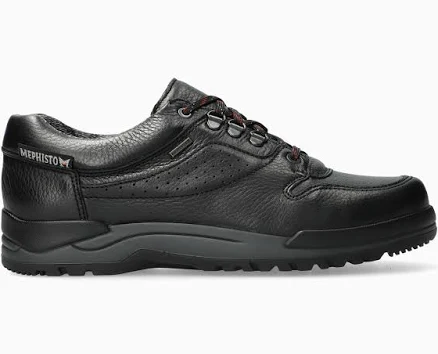
- leather, textile, rubber sole
- We found no PFAS statement from the brand
- Volatile organic compounds (VOC) off-gassing from adhesives
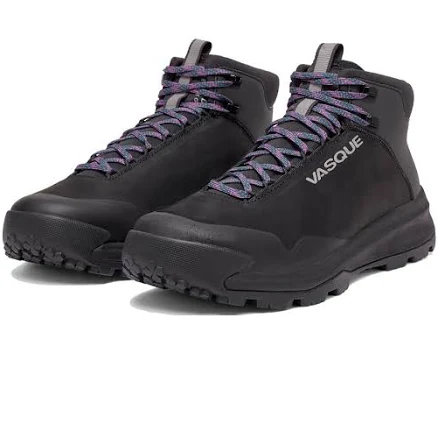
- Leather/nubuck upper, synthetic/rubber sole, no coating disclosed
- We found no PFAS statement from the brand
- Azo dyes (leather/textile coloring)
4 hazards checked on this product, all on its full breakdown.
Find an alternative on AmazonMore waterproof boots grades
How we score, every product runs through the same public 0-100 rubric based on materials, coatings, brand disclosure, lab findings, and recalls. See the full methodology → Spotted a mistake? Report an error.