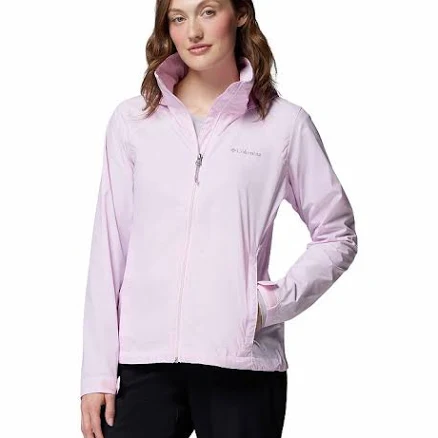
Columbia Women's Switchback IV Jacket
Avoid unless Columbia discloses its water-repellent coating chemistry.
This jacket has a standard water-repellent coating, but Columbia doesn't say whether it contains PFAS. Newer alternatives exist, but this product lacks third-party verification or PFAS-free labeling.
Still want this one anyway? Check the price on Amazon. We’d swap it.
Material
Nylon/polyester with water-repellent coating water-repellent coating finish
Lab data
No public lab test
You may also be interested in
Top-graded picks in the categories readers replace first, every one scored on the same rubric.

- polypropylene filter housing, carbon/sediment cartridge
- We found no PFAS statement from the brand
- Bacterial growth in spent cartridges
3 hazards checked on this product, all on its full breakdown.

Aquasure
Premier Series 75 GPD Under Sink Reverse Osmosis Water Filtration System
- RO membrane, carbon filters, stainless steel housing
- We found no PFAS statement from the brand
- Bacterial and microbial growth in housing and filters
4 hazards checked on this product, all on its full breakdown.

Avocado
Vegan Mattress
- organic cotton, natural latex, coconut coir, recycled steel coils
- The brand calls it PFAS-free, which we have not verified
- Heavy metals
2 hazards checked on this product, all on its full breakdown.
What Columbia Women's Switchback IV Jacket is made of, ingredients and materials
The Switchback IV uses nylon and polyester blended fabric with a water-repellent coating (water-repellent coating) finish applied to the surface. water-repellent coating coatings are the primary concern in rain apparel, they shed water but their chemical formulation is rarely disclosed by brands. The nylon-polyester blend itself is stable and does not typically leach hazardous substances during normal wear, but the finish layer is where hidden PFAS or other chemical treatments commonly hide.
What’s concerning
Category baseline
The starting point for this type of product, before anything specific to this product is counted.
No PFAS disclosure
No public statement from the brand about PFAS in this product.
Waterproof / stain-resistant treatment
Water-repellent coating treatments have historically used PFAS.
water-repellent coating (water-repellent coating) coating chemistry - undisclosed
Standard rain jacket water-repellent coating finishes commonly contain PFAS (PFAS "forever chemicals") or other fluorinated compounds. Columbia does not publicly disclose the chemical identity of its water-repellent coating finish on the Switchback IV, making assessment of this specific hazard impossible without direct inquiry to the company.
Thermal degradation of synthetic fibers and finish during wear or care
Nylon and polyester can shed microfibers during washing and wear; water-repellent coating finishes may degrade unevenly, especially under heat. Microfiber shedding is a known risk in synthetic textiles, though the Switchback IV carries no specific warning or mitigation strategy.
What’s reassuring
Formaldehyde / VOCs
No recalls or published reports of formaldehyde-based finishes in Columbia rain jackets. However, wrinkle-resist or water-repellent resins can contain formaldehyde donors; absence of disclosure does not confirm absence of this hazard.
Source, ATSDR ↗Azo dyes in nylon-polyester blend
The Switchback IV uses standard commercial dyeing methods typical of the nylon-polyester apparel industry. No specific reports of hazardous azo dyes in this product. Columbia does not certify colorfast dyes or exclude banned azo compounds.
Antimony in polyester fiber
Polyester is sometimes produced using antimony as a catalyst. No published data suggests Columbia uses high-antimony polyester, and leaching risk during wear is minimal. This is a manufacturing-stage concern, not a user-facing hazard in finished garments.
How is this PFAS grade calculated?
The brand's record and disclosure
Columbia Sportswear has not publicly committed to PFAS-free water-repellent coating chemistry or published detailed ingredient disclosures for its rain jacket coatings. The company does not advertise certification by BLUESIGN, OEKO-TEX, or other third-party standards that would rule out PFAS or formaldehyde-based resins. This silence is typical across the outdoor apparel industry but leaves consumers without transparency on what exactly finishes their garments.
How it compares in its category
Most mainstream rain jackets (The North Face, Patagonia budget lines, REI Co-op brands) share the same water-repellent coating transparency gap. Patagonia has begun disclosing PFC-free coatings on some products; some smaller brands use wax-based or silicone water-repellent coating alternatives. The Switchback IV sits in the mass-market tier where water-repellent coating chemistry remains a black box, making it neither better nor worse than direct competitors.
If you buy it
Wash in cool water (avoid heat, which can degrade water-repellent coating and potentially release particles) and use mild detergent; high heat from dryers is not recommended. water-repellent coating finishes degrade after 50-100 washes; when water no longer beads on the surface, the jacket needs re-treatment or replacement. Before purchase, contact Columbia customer service to request their water-repellent coating supplier name and chemistry sheet. Do not assume silence means safety.
What is not known about PFAS in this product?
- Basis
- Model estimate, 45% confidence, not a lab result
- Lab test
- None on record for this exact product
- Brand statement
- Columbia has made a specific claim
Formulations change between production runs, so check the current label. How we grade.
More rain jackets grades
How we score, every product runs through the same public 0-100 rubric based on materials, coatings, brand disclosure, lab findings, and recalls. See the full methodology → Spotted a mistake? Report an error.