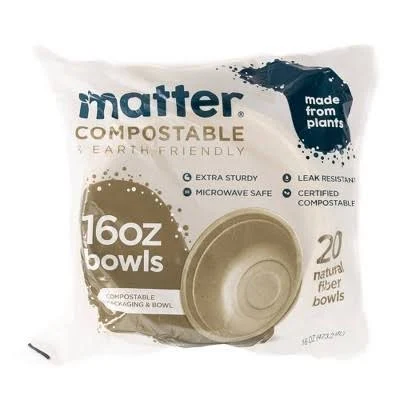
Matter Compostable Fiber Disposable Bowls
Medium-high risk. Skip until coating is disclosed.
Compostable fiber that typically relies on fluorinated coatings for grease and water resistance needed in food contact. The manufacturer provides no coating disclosure or PFAS-free certification.
The better-graded swap
Green Wave International
45 oz Round Sugarcane Bowl
85/100 safety
Same rubric that flunked this product. The swap earned Excellent.
Still want this one anyway? Check the price on Amazon. We’d swap it.
Material
compostable fiber with unspecified waterproof coating
Brand disclosure
Brand is silent on PFAS
Lab data
No public lab test
You may also be interested in
Top-graded picks in the categories readers replace first, every one scored on the same rubric.

- polypropylene filter housing, carbon/sediment cartridge
- We found no PFAS statement from the brand
- Bacterial growth in spent cartridges
3 hazards checked on this product, all on its full breakdown.

Aquasure
Premier Series 75 GPD Under Sink Reverse Osmosis Water Filtration System
- RO membrane, carbon filters, stainless steel housing
- We found no PFAS statement from the brand
- Bacterial and microbial growth in housing and filters
4 hazards checked on this product, all on its full breakdown.

Avocado
Vegan Mattress
- organic cotton, natural latex, coconut coir, recycled steel coils
- The brand calls it PFAS-free, which we have not verified
- Heavy metals
2 hazards checked on this product, all on its full breakdown.
What Matter Compostable Fiber Disposable Bowls is made of, ingredients and materials
Matter's bowls are fiber-based (likely molded pulp or bagasse) with an unspecified waterproof coating. Compostable fiber itself is not chemically hazardous, but waterproof coatings on single-use disposables are commonly fluorinated (PFAS-containing) to achieve grease and water resistance. The coating's identity is critical, if it is PFAS-free (e.g., polyhydroxyalkanoate, wax, or non-fluorinated polymer), hazard drops significantly; if fluorinated, exposure occurs during food contact and environmental release.
What’s concerning
Category baseline
The starting point for this type of product, before anything specific to this product is counted.
No PFAS disclosure
No public statement from the brand about PFAS in this product.
Waterproof / stain-resistant treatment
Water-repellent coating treatments have historically used PFAS.
PFAS
Coating identity is undisclosed. Most compostable fiber coatings in this price and performance tier are fluorinated to meet grease-proof standards; no testing or certification from Matter rules out this common hazard.
Source, ATSDR ↗Coating degradation and leaching
Compostable coatings are not regulated to the same durability standards as plastics. Wear, peeling, or breakdown during storage or use may increase migration of coating components into food or shed particles into the bowl.
Microplastic or coating particulate shedding
If the waterproof coating is synthetic polymer and subject to wear, microscopic flakes may shed into food, especially if bowls are reused, microwaved, or exposed to temperature fluctuations before disposal.
What’s reassuring
Formaldehyde / VOCs
Molded fiber and bagasse are typically bound with non-toxic starch or recycled fiber; formaldehyde resins are not a standard ingredient in compostable bowls. No reports of formaldehyde in Matter or similar unbleached compostable fiber products on record.
Source, ATSDR ↗Heavy metals
Compostable fiber bowls are rarely dyed; Matter's bowls appear undyed or naturally colored. No industry reports of cadmium, lead, or antimony in unbleached molded fiber or compostable coatings, but lack of transparency prevents full assessment.
Source, FDA ↗How is this PFAS grade calculated?
The brand's record and disclosure
Matter has not publicly disclosed the chemical identity or testing status of its waterproof coating, which is a red flag for transparency in the compostable food-contact category. No third-party certifications (e.g., OK Compost, PFOA/PFOS-free verification, Cradle to Cradle) have been identified on record. The brand's silence on PFAS despite industry-wide scrutiny of compostable coatings suggests either lack of independent verification or unwillingness to address the issue.
How it compares in its category
Compostable bowls are marketed as environmentally superior to polystyrene foam and plastic, but the waterproof-coating hazard is shared across the category. Competitors such as Footprint and World Centric have published PFAS-free claims or third-party testing; Matter's absence of such documentation puts it below the disclosure standard now emerging in this space. Uncoated fiber bowls (no waterproof layer) eliminate the coating risk entirely but are unsuitable for wet foods.
If you buy it
Use bowls only for dry foods or cold foods held briefly; hot or oily foods may increase leaching from the coating if fluorinated. Do not microwave or heat; compostable coatings are not validated for high temperature. Replace bowls if coating shows wear, peeling, or visible degradation, as breakdown compromises both barrier function and increases particulate shedding. Request the manufacturer's safety data sheet or independent test results before large-scale purchase; lack of response should guide you toward brands with published PFAS verification.
What is not known about PFAS in this product?
- Basis
- Model estimate, 35% confidence, not a lab result
- Lab test
- None on record for this exact product
- Brand statement
- Matter has made none
Formulations change between production runs, so check the current label. How we grade.
What are the PFAS-free alternatives to Matter Compostable Fiber Disposable Bowls?
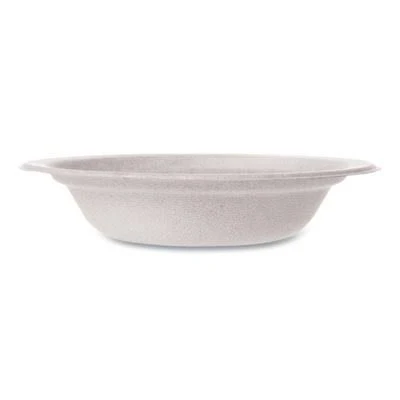
Bridge-Gate 12 oz. White Bagasse Bowl (1000 per Case)
- bagasse (sugarcane fiber), uncoated
- A third party reports verifying it as PFAS-free
- Mold or microbial growth during storage or use
3 hazards checked on this product, all on its full breakdown.
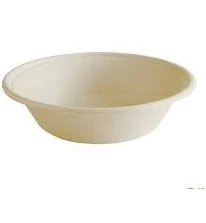
- Kraft molded fiber (uncoated or minimal treatment)
- A third party reports verifying it as PFAS-free
- Moisture absorption and microbial growth
3 hazards checked on this product, all on its full breakdown.
- sugarcane fiber, Kraft paper coating
- We found no PFAS statement from the brand
- Kraft paper coating migration (processing chemicals, sizing agents)
4 hazards checked on this product, all on its full breakdown.
More compostable bowls grades
How we score, every product runs through the same public 0-100 rubric based on materials, coatings, brand disclosure, lab findings, and recalls. See the full methodology → Spotted a mistake? Report an error.