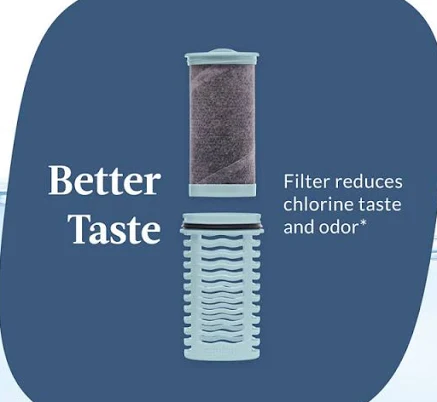
Contigo Clybourn Chill Stainless Steel FreeFlow Filter Water Bottle with AUTOSEAL
Stainless steel core suggests lower PFAS risk; filter material not disclosed.
Stainless steel and plastic construction present lower inherent PFAS risk, but Contigo doesn't disclose filter coating or seal materials. No independent testing available.
The better-graded swap
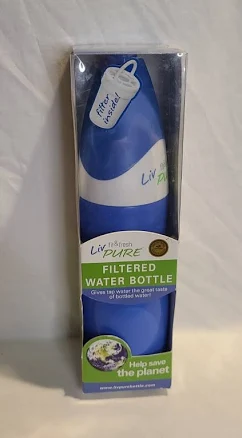
Liv Pure
Liv Pure Fit & Fresh Filtered Water Bottle 20oz Plastic
95/100 safety
Same rubric that flunked this product. The swap earned Excellent.
Still want this one anyway? Check the price on Amazon. We’d swap it.
Material
Stainless steel body, plastic lid/filter housing
Lab data
No public lab test
What Contigo Clybourn Chill Stainless Steel is made of, ingredients and materials
The Clybourn Chill uses a stainless steel 18/8 body, which is chemically inert and does not leach metals or off-gas into water under normal conditions. The lid, cap, and filter housing are plastic (material type not publicly disclosed by Contigo), which means they contact the water and could be a vector for leachables or degradation byproducts if made from certain polymers. The FreeFlow filter itself has no published composition details, making independent assessment of filter material safety impossible.
What’s concerning
No PFAS disclosure
No public statement from the brand about PFAS in this product.
Filter housing and lid plastic composition (unknown polymer)
Contigo does not disclose whether the plastic is BPA-free, recycled content, or virgin material. Undisclosed plastics may leach when in prolonged contact with water or if exposed to temperature fluctuations, particularly if the polymer contains softening agents.
Filter media composition and leachability
The FreeFlow filter material is proprietary and not publicly characterized. Filters can shed microparticles or activate-carbon fines, and if the media binding uses resins, these could theoretically leach at trace levels, though no reports of this exist for this product.
Bacterial growth in filter cartridge if unmaintained
Any filtered water bottle is vulnerable to biofilm and bacterial colonization inside the filter housing if the cartridge is not replaced regularly or the housing is not dried between uses. This is a use-and-maintenance issue, not a manufacturing defect, but it is a real microbial safety concern.
AUTOSEAL lid mechanism plastic wear
The AUTOSEAL valve is a moving plastic component that may wear or accumulate mineral deposits from repeated sealing. Worn seals could allow algae growth or bacterial infiltration; material composition of the valve seal is not disclosed.
What’s reassuring
Base material not linked to PFAS
The main material recorded for this product is not one associated with PFAS.
Stainless steel body corrosion and gasket degradation
18/8 stainless steel is resistant to corrosion under normal use. Rubber or silicone gaskets around the cap may degrade over years of use, potentially allowing water leakage, but this is a functional rather than chemical hazard.
The full breakdown
The brand's record and disclosure
Contigo does not publicly disclose material specifications for plastic components or filter composition, and has not made formal PFAS-reduction statements. The brand has no major product safety recalls related to water bottles in recent public records, but the lack of transparency on plastic sourcing and filter chemistry is notable for a filtered water product. Parent company Newell Brands has faced scrutiny on broader manufacturing practices but nothing specific to Contigo water bottles is widely documented.
How it compares in its category
Stainless steel water bottles are generally associated with lower concern for leaching risk compared to plastic-bodied alternatives. However, filtered water bottles as a category carry inherent uncertainty, the filter material itself is often proprietary and rarely tested for contaminant leaching. Competing brands (e.g., LifeStraw, LARQ) often disclose filter media more transparently; Contigo's silence is a disadvantage in this space.
If you buy it
Replace the filter cartridge every 40 gallons (roughly 2 months of normal use) to prevent bacterial biofilm buildup in the filter housing. Do not microwave the lid or expose plastic components to boiling water, as this may accelerate polymer degradation. Clean the filter housing weekly with hot water and a brush, as damp plastic-enclosed spaces can harbor mold if left sealed for days. If the plastic develops cloudiness, cracks, or odor, discontinue use.
What we don’t know
- Basis
- Model estimate, 72% confidence, not a lab result
- Lab test
- None on record for this exact product
- Brand statement
- Contigo has made a specific claim
Formulations change between production runs, so check the current label. How we grade.
Better-graded alternatives in Water Filters
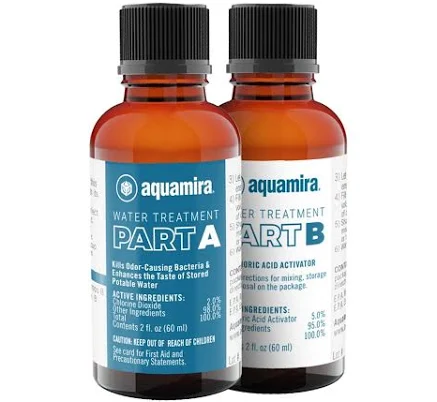
Aquamira
Water Storage Treatment 2 oz Glass Bottles 60 gallons Purification
- glass bottles, sodium dichloroisocyanurate treatment chemical
- We found no PFAS statement from the brand
- Chemical overdose or misuse
5 hazards checked on this product. See all of them.
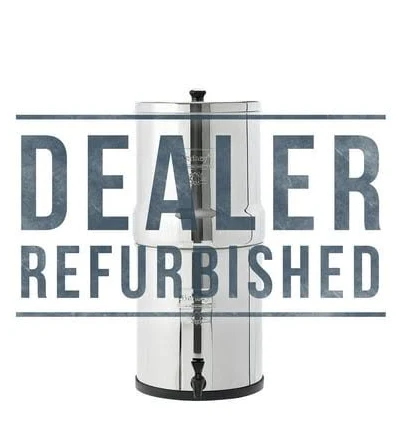
Big Berkey
Empty Housing with NO Filters Included
- Stainless steel housing and spigot
- We found no PFAS statement from the brand
- Bacterial growth and biofilm if filters not replaced
5 hazards checked on this product. See all of them.
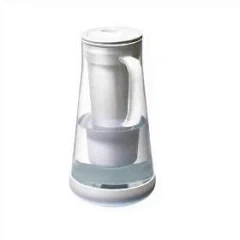
LifeStraw
Home Glass Water Filter Pitcher
- Borosilicate glass pitcher, replaceable activated-carbon filter cartridge
- Bacterial growth in filter cartridge if unmaintained
5 hazards checked on this product. See all of them.
More water filters grades
How we score, every product runs through the same public 0-100 rubric based on materials, coatings, brand disclosure, lab findings, and recalls. See the full methodology → Spotted a mistake? Report an error.