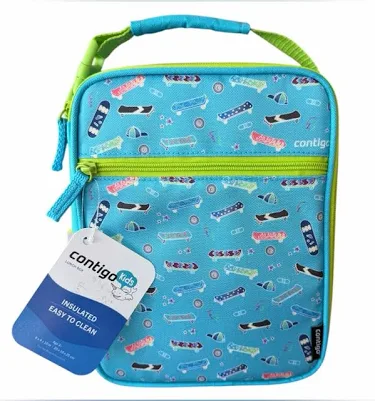
Contigo Other | Contigo Kids Insulated Lunch Box Antimicrobial Liner With Accessories- Nwt | Color: Blue | Size: Os
Skip until Contigo discloses antimicrobial liner composition and PFAS status.
Contigo does not publicly disclose PFAS status or the antimicrobial liner's chemical composition. The antimicrobial treatment and unspecified coatings create moderate concern without transparency.
We flunk more products than we pass. This one earned its grade. How we grade
Material
plastic lunch box, antimicrobial liner
Lab data
No public lab test
What Contigo Other | Contigo Kids Insulated is made of, ingredients and materials
This is a plastic insulated lunch box with an antimicrobial liner treatment applied to the interior. The base material is likely polypropylene or polyethylene terephthalate (PET), both common food-contact plastics. The antimicrobial liner is the critical unknown, Contigo has not publicly disclosed whether it uses silver ions, copper, zinc oxide, or other agents, and critically, whether the antimicrobial chemistry contains PFAS compounds, which are sometimes used in food-contact antimicrobial coatings. Without composition transparency, the long-term leaching profile and durability of the coating cannot be assessed.
What’s concerning
Category baseline
The starting point for this type of product, before anything specific to this product is counted.
No PFAS disclosure
No public statement from the brand about PFAS in this product.
BPA & bisphenols
The lunch box plastic (likely PP or PET) is typically BPA-free in modern Contigo production, but internal antimicrobial coating additives may include epoxy or other bisphenol-based resins. No test data is publicly available to confirm or rule this out.
Source, FDA ↗Antimicrobial coating leaching (unknown agent)
User reports describe antimicrobial coating degradation after repeated washing. If the active agent leaches into food, the safety profile depends on the specific compound, which Contigo has not disclosed. Coating loss over time suggests potential migration into stored food or liquids.
Microplastics
Repeated thermal stress, impact, or abrasive cleaning may generate microplastics from the box lid, seals, and accessory items (utensils, containers). This risk increases if the coating degrades and exposes raw plastic underneath.
Source, EPA ↗PFAS
PFAS are used in some commercial antimicrobial food-contact coatings for water and stain resistance. Contigo's silence on liner chemistry means PFAS presence cannot be ruled out. Migration risk is highest during the product's first years of use before coating degradation begins.
Source, ATSDR ↗What’s reassuring
Base material not linked to PFAS
The main material recorded for this product is not one associated with PFAS.
Off-gassing or odor from coating during new product phase
No documented complaints of chemical odor or acute off-gassing from this product line, but new plastic and coatings may release trace volatile compounds during the first days of use. Airing the box before first food contact is a prudent precaution.
The full breakdown
The brand's record and disclosure
Contigo has not published detailed material safety data sheets or antimicrobial composition details for this product line. The brand does not maintain a public PFAS disclosure policy or commitment to phasing out fluorinated compounds in coatings. No major recalls specific to chemical leaching have been recorded for Contigo lunch boxes, but the lack of proactive transparency on antimicrobial liner chemistry is a significant gap in brand accountability. Consumers have reported that the antimicrobial treatment degrades with repeated washing, but Contigo has not addressed durability claims or post-degradation safety.
How it compares in its category
Most insulated lunch boxes use either untreated plastic or passive antimicrobial liners (like silver-ion or copper-oxide treated surfaces). Contigo's approach is mainstream but less transparent than competing brands such as Rubbermaid or Sistema, which provide more detailed material specifications. Stainless steel insulated lunch boxes eliminate the coating hazard entirely, though at higher cost. The inclusion of accessories (utensils, containers) increases surface area and potential for microplastic shedding if any plastic components are damaged over time.
If you buy it
Hand wash the lunch box and avoid abrasive scrubbing that may degrade the antimicrobial liner coating. Do not expose to prolonged heat (dishwasher or hot water submersion) as this can accelerate coating breakdown and leaching. Replace the box if the interior coating shows visible peeling, scratching, or discoloration, as this signals loss of integrity. Store with the lid off between uses to allow air circulation and reduce bacterial biofilm formation on moist surfaces.
What we don’t know
- Basis
- Model estimate, 40% confidence, not a lab result
- Lab test
- None on record for this exact product
- Brand statement
- Contigo has made a specific claim
Formulations change between production runs, so check the current label. How we grade.
Better-graded alternatives in Lunch Boxes
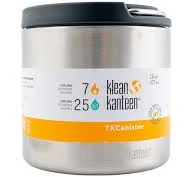
Klean Kanteen
Double Wall Vacuum Insulated Stainless Steel Food Canister Container with Leak Proof Lid
- Stainless steel body, silicone gasket lid seal
- The brand calls it PFAS-free, which we have not verified
- Silicone gasket degradation
3 hazards checked on this product. See all of them.
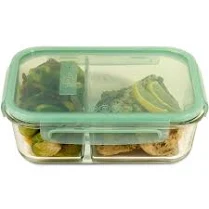
Snapware
Meal Box Glass
- borosilicate glass
- We found no PFAS statement from the brand
- Leaching from glass matrix or lid seals
2 hazards checked on this product. See all of them.
OXO
Steel Pop Big Square Short - 2.8 Qt/2.6 l
- Stainless steel container, no surface treatment
- Lid/gasket polymer leaching
3 hazards checked on this product. See all of them.
More lunch boxes grades
How we score, every product runs through the same public 0-100 rubric based on materials, coatings, brand disclosure, lab findings, and recalls. See the full methodology → Spotted a mistake? Report an error.