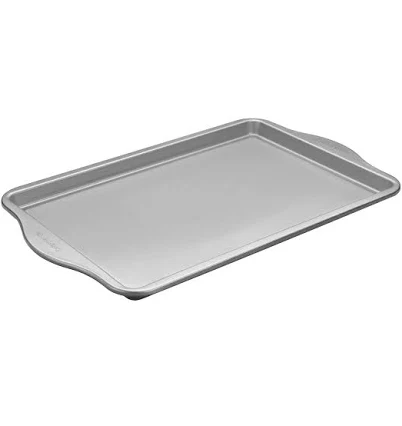
Baking Sheet Cuisinart, Is It Non-Toxic?
Avoid unless Cuisinart confirms the nonstick is Teflon-type coating-free; coating composition is not disclosed.
Cuisinart baking sheets have nonstick coatings, but the brand does not publicly disclose whether it uses Teflon-type coating, other Teflon-family coating, or PFAS-free options. Without transparency, risk cannot be assessed.
The better-graded swap
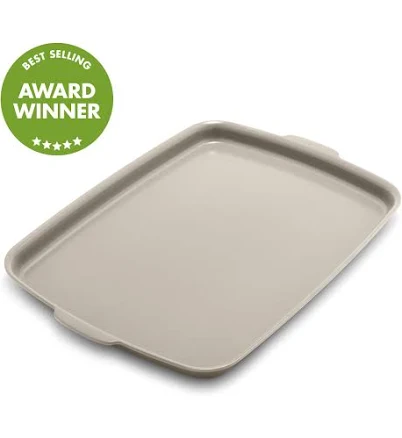
GreenPan
GreenPan Premiere Ovenware Ceramic Nonstick Half Sheet Baking Pan
70/100 safety
Same rubric that flunked this product. The swap earned Good.
Still want this one anyway? Check the price on Amazon. We’d swap it.
Material
Steel with nonstick coating (type unspecified by brand)
Lab data
No public lab test
You may also be interested in
Top-graded picks in the categories readers replace first, every one scored on the same rubric.

- polypropylene filter housing, carbon/sediment cartridge
- We found no PFAS statement from the brand
- Bacterial growth in spent cartridges
3 hazards checked on this product, all on its full breakdown.

Aquasure
Premier Series 75 GPD Under Sink Reverse Osmosis Water Filtration System
- RO membrane, carbon filters, stainless steel housing
- We found no PFAS statement from the brand
- Bacterial and microbial growth in housing and filters
4 hazards checked on this product, all on its full breakdown.

Avocado
Vegan Mattress
- organic cotton, natural latex, coconut coir, recycled steel coils
- The brand calls it PFAS-free, which we have not verified
- Heavy metals
2 hazards checked on this product, all on its full breakdown.
Is Baking Sheet Cuisinart non-toxic? What it is made of
Cuisinart baking sheets use steel with a nonstick coating, but the brand does not publicly specify whether the coating is Teflon-type coating-based, ceramic, silicone, or another formulation. The steel base itself is inert and not a material linked to PFAS for baking. The coating type directly determines thermal stability and leaching risk, making transparency critical for informed use. Without disclosure, you cannot verify whether the product meets Teflon-type coating-free standards.
What’s concerning
Category baseline
The starting point for this type of product, before anything specific to this product is counted.
No PFAS disclosure
No public statement from the brand about PFAS in this product.
Non-stick, chemistry undisclosed
Marketed as non-stick without stating the coating chemistry.
Teflon-type coating fume risk (thermal decomposition)
If the coating contains Teflon-type coating, heating above 500°F can release toxic fumes. Cuisinart does not disclose coating type, so you cannot rule this out. Normal baking temperatures (up to 425°F) are generally below the decomposition threshold, but broiling or high-heat roasting poses risk if coating is Teflon-type coating-based.
Coating degradation and microparticle release
Nonstick coatings on metal baking sheets wear over time with use and washing, especially in dishwashers. Flaking or peeling coatings may release particles into food. No specific recalls exist for Cuisinart sheets, but this is a general hazard of worn nonstick cookware and warrants inspection.
Coating adhesion failure and delamination
Nonstick coatings on budget and mid-range baking sheets can separate or blister from the steel base after repeated thermal cycles. Cuisinart has not published durability data or warranty specifics, so longevity and adhesion quality are uncertain relative to premium alternatives.
What’s reassuring
Steel leaching under acidic conditions
Bare steel can leach iron under prolonged contact with acidic foods (tomato sauce, citrus), but Cuisinart sheets have a nonstick coating that should prevent contact. If coating is damaged or absent, risk is minimal for short baking times but worth monitoring with damaged pieces.
How is this PFAS grade calculated?
The brand's record and disclosure
Cuisinart has not published a clear statement on PFAS-free nonstick technology across its cookware line, nor has the company detailed coating materials on product pages for this item. The brand maintains general cookware safety certifications but does not voluntarily disclose coating composition, limiting consumer ability to assess chemical content. No major recalls related to nonstick coating degradation or chemical leaching have been documented for Cuisinart baking sheets, though this absence does not confirm safety.
How it compares in its category
Most mass-market nonstick baking sheets (including from Cuisinart competitors) still use Teflon-type coating or proprietary fluorinated coatings, though Teflon-type coating-free alternatives (ceramic, silicone) are increasingly available at similar price points. Cuisinart's steel base and nonstick finish are typical for the category, but competitors like OXO and GreenPan explicitly market PFAS-free options. Stainless steel uncoated sheets avoid nonstick coating concerns entirely but require seasoning or parchment paper.
If you buy it
Do not expose the sheet to temperatures above 500°F, as nonstick coatings degrade and may release fumes; most baking stays well below this. Hand wash only; dishwashers degrade nonstick coatings faster. Inspect the surface regularly for scratches, peeling, or discoloration; replace if the coating shows visible wear. Store in a cool, dry place and avoid stacking with abrasive items that could chip the coating.
What is not known about PFAS in this product?
- Basis
- Model estimate, 45% confidence, not a lab result
- Lab test
- None on record for this exact product
- Brand statement
- Cuisinart has made a specific claim
Formulations change between production runs, so check the current label. How we grade.
What are the PFAS-free alternatives to Baking Sheet Cuisinart?
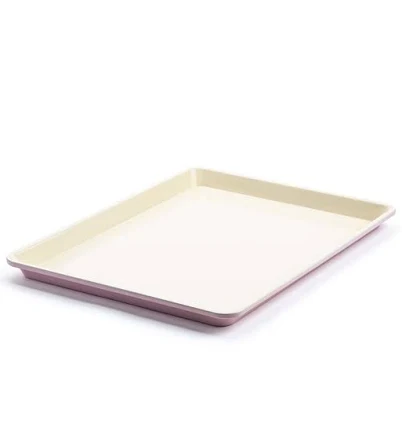
- ceramic nonstick coating
- The brand calls it PFAS-free, which we have not verified
- Ceramic coating degradation over time
3 hazards checked on this product, all on its full breakdown.
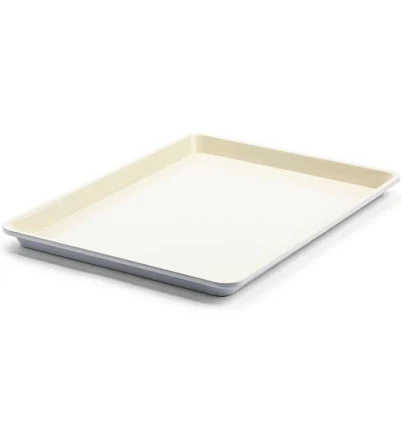
- Ceramic nonstick coating
- The brand calls it PFAS-free, which we have not verified
- Ceramic coating degradation and microflaking
2 hazards checked on this product, all on its full breakdown.
- Ceramic nonstick coating
- The brand calls it PFAS-free, which we have not verified
- Ceramic coating degradation and chipping
2 hazards checked on this product, all on its full breakdown.
More cookie sheets grades
How we score, every product runs through the same public 0-100 rubric based on materials, coatings, brand disclosure, lab findings, and recalls. See the full methodology → Spotted a mistake? Report an error.