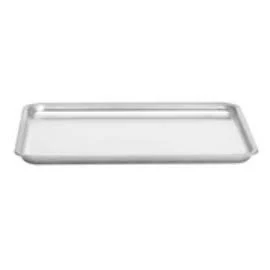
Cuisinart Baking Pan TOB-40BP, Is It Non-Toxic?
Avoid unless Cuisinart confirms the nonstick coating is Teflon-type coating and PFOA-free.
The Cuisinart TOB-40BP is a nonstick baking pan with no public disclosure of coating chemistry. Cuisinart has not specified whether the nonstick surface uses Teflon-type coating or alternatives.
The better-graded swap
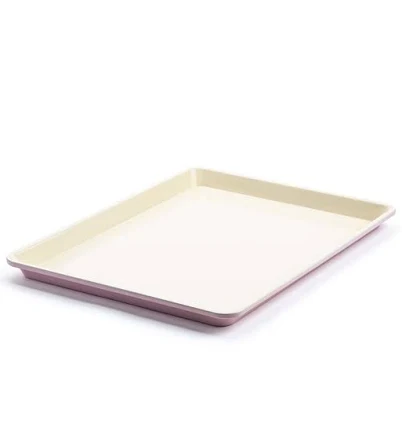
GreenPan
GreenLife Ceramic Nonstick Cookie Sheet
70/100 safety
Same rubric that flunked this product. The swap earned Good.
Still want this one anyway? Check the price on Amazon. We’d swap it.
Material
steel/aluminum baking pan with nonstick coating (type unspecified)
Lab data
No public lab test
You may also be interested in
Top-graded picks in the categories readers replace first, every one scored on the same rubric.

- polypropylene filter housing, carbon/sediment cartridge
- We found no PFAS statement from the brand
- Bacterial growth in spent cartridges
3 hazards checked on this product, all on its full breakdown.

Aquasure
Premier Series 75 GPD Under Sink Reverse Osmosis Water Filtration System
- RO membrane, carbon filters, stainless steel housing
- We found no PFAS statement from the brand
- Bacterial and microbial growth in housing and filters
4 hazards checked on this product, all on its full breakdown.

Avocado
Vegan Mattress
- organic cotton, natural latex, coconut coir, recycled steel coils
- The brand calls it PFAS-free, which we have not verified
- Heavy metals
2 hazards checked on this product, all on its full breakdown.
Is Cuisinart Baking Pan TOB-40BP non-toxic? What it is made of
The TOB-40BP is a steel or aluminum baking pan with an applied nonstick coating of unspecified chemistry. Aluminum itself is food-safe at normal baking temperatures, but nonstick coatings are the concern, if Teflon-type coating-based (Teflon), degradation and fume risk increase with scratching and overheating. The manufacturer has not publicly disclosed the coating type, which is a transparency gap in this product line.
What’s concerning
Category baseline
The starting point for this type of product, before anything specific to this product is counted.
No PFAS disclosure
No public statement from the brand about PFAS in this product.
Non-stick, chemistry undisclosed
Marketed as non-stick without stating the coating chemistry.
Nonstick coating degradation and fume risk
If the coating is Teflon-type coating-based and is scratched, overheated, or ages, it may release fumes (particularly acrid odors) during baking. Cuisinart's silence on coating type means this risk cannot be ruled out. Proper care (hand-wash, no metal utensils, temperature limits) reduces but does not eliminate this concern.
Aluminum leaching under nonstick failure
If the nonstick coating degrades or flakes, underlying aluminum may contact acidic or salty foods, leading to minor aluminum transfer. This is not an acute hazard but cumulative exposure to aluminum is a long-term health consideration, especially in vulnerable populations.
Coating adhesion and microparticles
Nonstick coatings can shed microscopic particles over time with use and cleaning. While Cuisinart does not disclose testing data on coating durability for the TOB-40BP, long-term ingestion of small coating particles is poorly characterized but theoretically possible with worn pans.
Lack of transparency on chemical composition
Cuisinart's public product information for this model does not specify whether the coating is Teflon-type coating, ceramic, silicone, or proprietary. This transparency gap prevents informed comparison with competitors and raises questions about whether the brand is confident in the safety profile.
What’s reassuring
Lead
No recalls or safety alerts on record for Cuisinart baking pans related to heavy metals in coatings. However, without third-party testing data or certification, this hazard cannot be fully ruled out for all batches or colors.
Source, ATSDR ↗How is this PFAS grade calculated?
The brand's record and disclosure
Cuisinart has not made a clear public commitment to PFOA-free or Teflon-type coating-free cookware across its nonstick range. The company does not prominently advertise coating-free certifications or third-party testing for this specific model. Industry-wide, Cuisinart's cookware marketing tends to emphasize durability and non-stick performance rather than chemical safety disclosures, which limits consumer confidence in this category.
How it compares in its category
Cookie sheets and baking pans vary widely, ceramic-coated alternatives (e.g. GreenPan, Our Place) disclose Teflon-type coating-free status; standard aluminum or steel pans with no coating avoid the coating-degradation problem entirely. Cuisinart's middle position (nonstick-coated, chemistry unknown) offers convenience but without the transparency or certification that differentiate premium or eco-label products in this space.
If you buy it
Contact Cuisinart directly to confirm the nonstick coating is Teflon-type coating and PFOA-free before purchasing. Hand-wash only; avoid scouring pads, metal utensils, and high-heat baking (above 400F is not advised for most nonstick coatings). Inspect the coating regularly for scratches, peeling, or discoloration; replace if damage is visible. Store without stacking heavy items on top to minimize wear.
What is not known about PFAS in this product?
- Basis
- Model estimate, 45% confidence, not a lab result
- Lab test
- None on record for this exact product
- Brand statement
- Cuisinart has made a specific claim
Formulations change between production runs, so check the current label. How we grade.
What are the PFAS-free alternatives to Cuisinart Baking Pan TOB-40BP?
- ceramic nonstick coating
- The brand calls it PFAS-free, which we have not verified
- Ceramic coating degradation over time
3 hazards checked on this product, all on its full breakdown.
- Ceramic nonstick coating
- The brand calls it PFAS-free, which we have not verified
- Ceramic coating degradation and microflaking
2 hazards checked on this product, all on its full breakdown.
- Ceramic nonstick coating
- The brand calls it PFAS-free, which we have not verified
- Ceramic coating degradation and chipping
2 hazards checked on this product, all on its full breakdown.
More cookie sheets grades
How we score, every product runs through the same public 0-100 rubric based on materials, coatings, brand disclosure, lab findings, and recalls. See the full methodology → Spotted a mistake? Report an error.