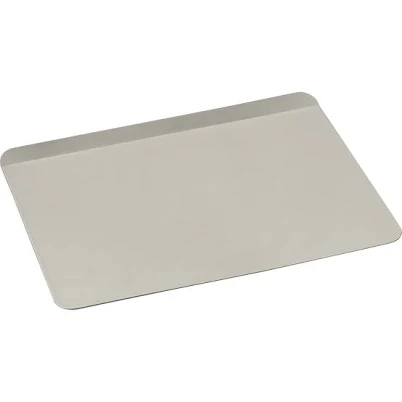
Cuisinart Chef's Classic Cookie Sheet, Is It Non-Toxic?
Avoid, nonstick coating identity undisclosed; PFAS risk is unclear.
Cuisinart's Chef's Classic cookie sheets feature nonstick coatings, but the brand does not publicly specify the coating chemistry. Without disclosure or third-party verification, PFAS presence cannot be ruled out.
The better-graded swap
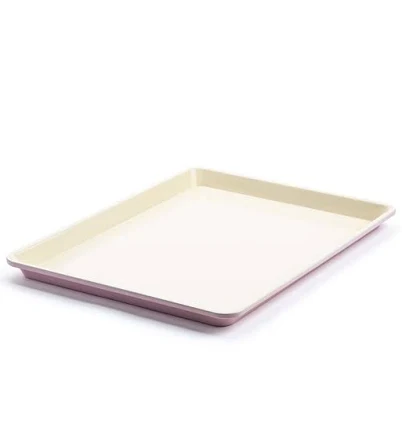
GreenPan
GreenLife Ceramic Nonstick Cookie Sheet
70/100 safety
Same rubric that flunked this product. The swap earned Good.
Still want this one anyway? Check the price on Amazon. We’d swap it.
Material
Steel body with unspecified nonstick coating
Lab data
No public lab test
You may also be interested in
Top-graded picks in the categories readers replace first, every one scored on the same rubric.

- polypropylene filter housing, carbon/sediment cartridge
- We found no PFAS statement from the brand
- Bacterial growth in spent cartridges
3 hazards checked on this product, all on its full breakdown.

Aquasure
Premier Series 75 GPD Under Sink Reverse Osmosis Water Filtration System
- RO membrane, carbon filters, stainless steel housing
- We found no PFAS statement from the brand
- Bacterial and microbial growth in housing and filters
4 hazards checked on this product, all on its full breakdown.

Avocado
Vegan Mattress
- organic cotton, natural latex, coconut coir, recycled steel coils
- The brand calls it PFAS-free, which we have not verified
- Heavy metals
2 hazards checked on this product, all on its full breakdown.
Is Cuisinart Chef's Classic Cookie Sheet non-toxic? What it is made of
Cuisinart's Chef's Classic cookie sheet is steel with an undisclosed nonstick coating. The steel substrate itself is relatively inert and durable, but the nonstick layer is the critical unknown. Without manufacturer transparency on whether the coating is Teflon-type coating-based, ceramic, or silicone, you cannot assess degradation risk or fume potential at high oven temperatures. Steel conducts heat evenly but is heavier than aluminum, reducing warping.
What’s concerning
Category baseline
The starting point for this type of product, before anything specific to this product is counted.
No PFAS disclosure
No public statement from the brand about PFAS in this product.
Non-stick, chemistry undisclosed
Marketed as non-stick without stating the coating chemistry.
Teflon-type coating fume risk (nonstick coating thermal decomposition)
Coating type not disclosed by Cuisinart. If Teflon-type coating-based, overheating above 500°F can release perfluorinated compounds; standard baking use (below 350°F) poses minimal acute risk, but chronic low-level exposure from repeated use is not quantified in consumer literature.
Coating degradation and microflaking
Nonstick coatings on steel sheets degrade over time with use and dishwasher exposure. Flaked particles in food are not acutely toxic but indicate product end-of-life and potential exposure to underlying substrate or coating binders.
Steel edge rust and corrosion
Exposed steel edges and any chips in the nonstick layer can rust, especially if moisture is trapped during storage. Rust itself is mostly iron oxide (not acutely hazardous) but indicates structural compromise and may introduce ferrous particles into baked goods.
What’s reassuring
Heavy metals
No recalls or published testing document leaching from Cuisinart Chef's Classic sheets. Generic nonstick binders may contain minor metal oxides (titanium dioxide, silica) as inert additives, but no established contamination path is on record for this brand or steel-based cookie sheets specifically.
Source, FDA ↗Formaldehyde / VOCs
Industrial nonstick coatings typically use minimal organic solvents in cured form, and off-gassing from a cured steel sheet during normal oven use is not documented. New cookware may emit slight odors during first heating; this is not linked to hazardous levels of formaldehyde or VOCs at typical baking temperatures.
Source, ATSDR ↗How is this PFAS grade calculated?
The brand's record and disclosure
Cuisinart has not publicly committed to PFAS-free cookware or provided detailed coating chemistry for this product line. The brand does not advertise third-party testing or certifications (such as GREENGUARD or ceramic-only claims). This silence is typical of many established cookware makers but leaves users unable to verify coating safety independently. No recalls specific to this model have been documented for coating failure or contamination.
How it compares in its category
Among mid-range cookie sheets, this steel option sits between low-cost nonstick (higher PFAS likelihood) and premium ceramic or bare-steel alternatives (more transparent composition). Unbranded or discount steel sheets often use similar mystery coatings. True ceramic-coated or bare stainless steel sheets allow full material accountability; Cuisinart's choice not to disclose suggests reliance on conventional coatings of uncertain provenance.
If you buy it
Use at or below 350°F (170°C) to minimize nonstick coating degradation and any potential fume release. Hand wash rather than dishwasher to extend coating life. Inspect annually for peeling, scratching, or discoloration; replace if coating visibly degrades. Store in a dry place to prevent rust at steel edges. Do not use metal utensils or abrasive scrubbers on the nonstick surface.
What is not known about PFAS in this product?
- Basis
- Model estimate, 35% confidence, not a lab result
- Lab test
- None on record for this exact product
- Brand statement
- Cuisinart has made a specific claim
Formulations change between production runs, so check the current label. How we grade.
What are the PFAS-free alternatives to Cuisinart Chef's Classic Cookie Sheet?
- ceramic nonstick coating
- The brand calls it PFAS-free, which we have not verified
- Ceramic coating degradation over time
3 hazards checked on this product, all on its full breakdown.
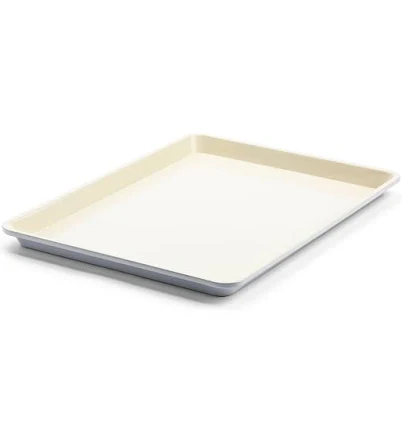
- Ceramic nonstick coating
- The brand calls it PFAS-free, which we have not verified
- Ceramic coating degradation and microflaking
2 hazards checked on this product, all on its full breakdown.
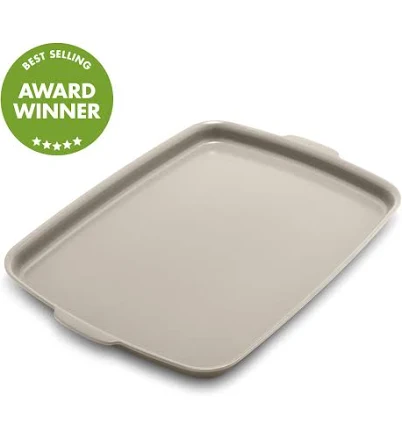
- Ceramic nonstick coating
- The brand calls it PFAS-free, which we have not verified
- Ceramic coating degradation and chipping
2 hazards checked on this product, all on its full breakdown.
More cookie sheets grades
How we score, every product runs through the same public 0-100 rubric based on materials, coatings, brand disclosure, lab findings, and recalls. See the full methodology → Spotted a mistake? Report an error.