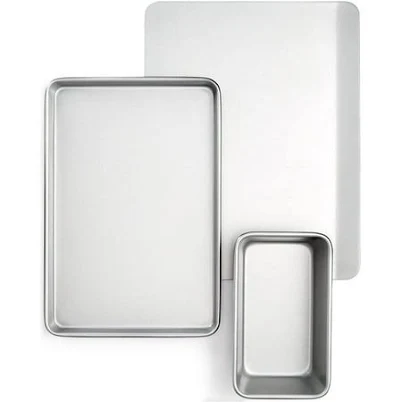
Cuisinart Chef's Classic Nonstick Bakeware Set, Is It Non-Toxic?
Cuisinart won't disclose the nonstick coating type or PFAS status.
Cuisinart's Chef's Classic uses an unspecified nonstick coating. The brand provides no public PFAS information, making judgment impossible without independent lab work.
The better-graded swap
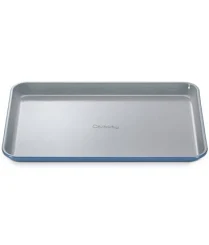
Caraway
Caraway Nonstick Ceramic Medium Baking Sheet
100/100 safety
Same rubric that flunked this product. The swap earned Excellent.
Still want this one anyway? Check the price on Amazon. We’d swap it.
Material
nonstick coating, composition unspecified
Lab data
No public lab test
You may also be interested in
Top-graded picks in the categories readers replace first, every one scored on the same rubric.

- polypropylene filter housing, carbon/sediment cartridge
- We found no PFAS statement from the brand
- Bacterial growth in spent cartridges
3 hazards checked on this product, all on its full breakdown.

Aquasure
Premier Series 75 GPD Under Sink Reverse Osmosis Water Filtration System
- RO membrane, carbon filters, stainless steel housing
- We found no PFAS statement from the brand
- Bacterial and microbial growth in housing and filters
4 hazards checked on this product, all on its full breakdown.

Avocado
Vegan Mattress
- organic cotton, natural latex, coconut coir, recycled steel coils
- The brand calls it PFAS-free, which we have not verified
- Heavy metals
2 hazards checked on this product, all on its full breakdown.
Is Cuisinart Chef's Classic Bakeware Set non-toxic? What it is made of
Cuisinart Chef's Classic Nonstick Bakeware uses a proprietary nonstick coating applied to steel baking sheets, but the brand does not publicly specify whether it contains Teflon-type coating (Teflon), ceramic, or a proprietary polymer. This opacity matters because different coatings carry different safety profiles, Teflon-type coating-based coatings can release toxic fumes if overheated, while ceramic and non-Teflon-type coating alternatives typically have lower thermal risk but may degrade faster. Without composition disclosure, users cannot make informed choices about heating limits or long-term safety.
What’s concerning
Category baseline
The starting point for this type of product, before anything specific to this product is counted.
No PFAS disclosure
No public statement from the brand about PFAS in this product.
Non-stick, chemistry undisclosed
Marketed as non-stick without stating the coating chemistry.
Teflon-type coating fume release on overheating
If coating contains Teflon-type coating (unconfirmed), heating above 500°F can release perfluorooctanoic acid (PFOA) precursors and other fluorinated compounds. Bakeware typically operates below this threshold, but prolonged oven use or broiler settings increase risk.
Coating degradation and microparticle release
Nonstick bakeware coatings naturally wear over time. Scratched or peeling surfaces may release microscopic coating particles into baked food. No long-term health studies on chronic ingestion of worn nonstick particles exist, but degradation is a recognized durability concern for this product class.
Steel substrate leaching (if coating fails)
If the underlying steel is unlined or of poor quality, and the nonstick coating degrades, iron or other metals in the steel may leach into food during acidic or prolonged baking. Cuisinart does not publish steel grade or coating adhesion specifications.
Unspecified nonstick chemical composition
Without ingredient disclosure, users cannot verify whether the coating contains PFAS, formamide catalysts, or other concerning additives. This opacity contradicts modern consumer safety expectations and prevents informed risk assessment.
What’s reassuring
Thermal stability of proprietary coating
No published research or recalls document thermal failure of Cuisinart Chef's Classic bakeware. However, absence of documented issues does not confirm safety; independent testing would be required to establish thermal limits.
How is this PFAS grade calculated?
The brand's record and disclosure
Cuisinart has not published a public PFAS policy or commitment to phasing out PFAS "forever chemicals" in cookware. The brand offers no detailed ingredient or coating material specifications on product packaging or websites. This silence is notable in an industry where competitors like GreenPan and Our Place have begun offering transparency about PFAS presence. Cuisinart's lack of third-party certification (e.g., GOTS, Bluesign, or similar cookware standards) suggests no independent verification of nonstick safety claims.
How it compares in its category
Traditional nonstick bakeware from mass-market brands like Cuisinart, T-fal, and Calphalon typically rely on Teflon-type coating-based coatings, which have been widely used for decades but are under regulatory scrutiny for PFAS contamination. Premium alternatives (GreenPan, Caraway, Our Place) have shifted to Teflon-type coating-free ceramic or proprietary coatings with public commitment to PFAS limits. Budget uncoated steel or cast iron bakeware avoids nonstick chemistry entirely but requires seasoning. Cuisinart's refusal to disclose coating type places it in a middle zone, established brand with no transparency guarantee, pricing below premium brands but above bare metal options.
If you buy it
Keep baking temperatures at or below 350 to 400 degrees Fahrenheit to minimize fume risk if coating contains Teflon-type coating. Inspect the surface monthly for scratches, peeling, or discoloration; replace if damage is visible. Hand wash only; avoid abrasive scrubbers and dishwasher cycles that accelerate coating wear. Store in a cool, dry place and do not stack without protective liners, as friction degrades nonstick surfaces. If the coating begins to flake or smell unusual during use, discontinue and replace; do not attempt to repair or recoat.
What is not known about PFAS in this product?
- Basis
- Model estimate, 35% confidence, not a lab result
- Lab test
- None on record for this exact product
- Brand statement
- Cuisinart has made a specific claim
Formulations change between production runs, so check the current label. How we grade.
What are the PFAS-free alternatives to Cuisinart Chef's Classic Nonstick Bakeware Set?
- ceramic nonstick coating
- A third party reports verifying it as PFAS-free
- Ceramic coating degradation over time
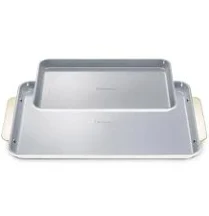
- ceramic nonstick coating
- A third party reports verifying it as PFAS-free
- Coating degradation and durability
2 hazards checked on this product, all on its full breakdown.
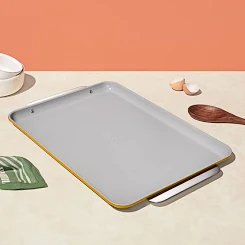
- ceramic nonstick coating
- The brand calls it PFAS-free, which we have not verified
- Ceramic coating degradation and particle shedding
3 hazards checked on this product, all on its full breakdown.
More bakeware grades
How we score, every product runs through the same public 0-100 rubric based on materials, coatings, brand disclosure, lab findings, and recalls. See the full methodology → Spotted a mistake? Report an error.