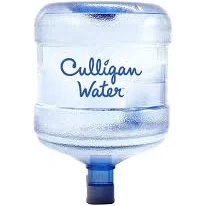
3 Gallon Culligan Drinking Water
Lower concern for this product; purchased water itself is unlikely PFAS source but container composition unknown.
Culligan's 3-gallon bottled drinking water undergoes reverse osmosis or carbon filtration treatment with minimal PFAS risk. Culligan makes no PFAS-free claims, and no third-party PFAS testing is publicly documented for this product line.
We flunk more products than we pass. This one earned its grade. How we grade
Material
purified drinking water in polycarbonate or polyethylene container
Lab data
No public lab test
You may also be interested in
Top-graded picks in the categories readers replace first, every one scored on the same rubric.

- polypropylene filter housing, carbon/sediment cartridge
- We found no PFAS statement from the brand
- Bacterial growth in spent cartridges
3 hazards checked on this product, all on its full breakdown.

Aquasure
Premier Series 75 GPD Under Sink Reverse Osmosis Water Filtration System
- RO membrane, carbon filters, stainless steel housing
- We found no PFAS statement from the brand
- Bacterial and microbial growth in housing and filters
4 hazards checked on this product, all on its full breakdown.

Avocado
Vegan Mattress
- organic cotton, natural latex, coconut coir, recycled steel coils
- The brand calls it PFAS-free, which we have not verified
- Heavy metals
2 hazards checked on this product, all on its full breakdown.
What 3 Gallon Culligan Drinking Water is made of, ingredients and materials
Culligan 3-gallon bottles are typically polycarbonate (PC) or high-density polyethylene (HDPE), both food-contact approved plastics. Polycarbonate bottles can leach bisphenol A (BPA) if cracked or exposed to heat; HDPE is more chemically inert. Culligan does not publicly specify which resin is used for this product line, making detailed assessment difficult. The water inside is purified via reverse osmosis and/or carbon filtration, reducing contaminant load regardless of container type.
What’s concerning
No PFAS disclosure
No public statement from the brand about PFAS in this product.
BPA & bisphenols
If the bottle is polycarbonate, BPA can leach under heat or prolonged storage, particularly if container is aged or damaged. Culligan does not confirm whether their bottles are BPA-free or polycarbonate-free, creating uncertainty.
Source, FDA ↗Bacterial contamination in reusable bottle
Culligan 3-gallon bottles are typically rented and reused multiple times. If not sanitized between fills or stored improperly, biofilm and bacterial growth can occur. This is an operational/hygiene issue, not inherent to the product itself.
What’s reassuring
Base material not linked to PFAS
The main material recorded for this product is not one associated with PFAS.
Microplastics
No published evidence that Culligan bottles shed microplastics under normal cold-water storage. Risk is theoretical and applies mainly to heavily scratched or aged containers. Standard bottled water does not show elevated microplastic content relative to tap water in most studies.
Source, EPA ↗Mineral leaching from purified water
Culligan water is purified, not mineral-depleted in a health-hazardous way. The product is not softened to the point of osmotic concern; standard consumption poses no established electrolyte or mineral deficiency risk.
Heavy metals
Culligan operates under FDA bottled water standards and NSF certification. No recalls for contamination (lead, arsenic, pesticides) are on record for this product line. The purification process (RO and/or carbon) is effective at removing most common drinking water hazards.
Source, FDA ↗How is this PFAS grade calculated?
The brand's record and disclosure
Culligan is a large, established water treatment company owned by Nestlé Waters and operates under FDA and NSF oversight for bottled water safety. The company does not publish detailed material safety data sheets for bottle composition or aging studies on their containers. No major recalls or safety violations specific to this 3-gallon product line are on public record. Culligan maintains standard bottled water certifications but does not voluntarily disclose BPA-free status or polymer sourcing.
How it compares in its category
Culligan is mainstream with lower concern than unregulated bulk water refill stations. Some competitors (e.g., Primo, Aquafina) explicitly market BPA-free bottles; Culligan's silence on this is a relative weakness. For cost and convenience, it is comparable to other national brands like Nestlé Pure Life and Dasani. If you prefer maximum transparency on container material, smaller regional or BPA-free-certified brands offer clearer disclosure.
If you buy it
Store bottles in cool, dark conditions away from direct sunlight and heat sources to minimize any potential leaching from polycarbonate. Do not reuse bottles beyond 1-2 years or after visible cracks appear. If the bottle sits unused for more than a few months, discard water and rinse before refilling. Keep bottles sealed when not in use to prevent bacterial colonization or dust contamination.
What is not known about PFAS in this product?
- Basis
- Model estimate, 72% confidence, not a lab result
- Lab test
- None on record for this exact product
- Brand statement
- Culligan has made a specific claim
Formulations change between production runs, so check the current label. How we grade.
What are the PFAS-free alternatives to 3 Gallon Culligan Drinking Water?
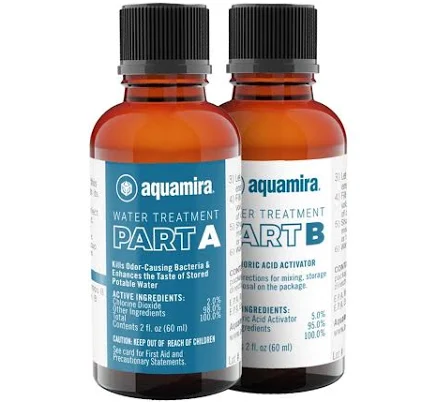
- glass bottles, sodium dichloroisocyanurate treatment chemical
- We found no PFAS statement from the brand
- Chemical overdose or misuse
5 hazards checked on this product, all on its full breakdown.
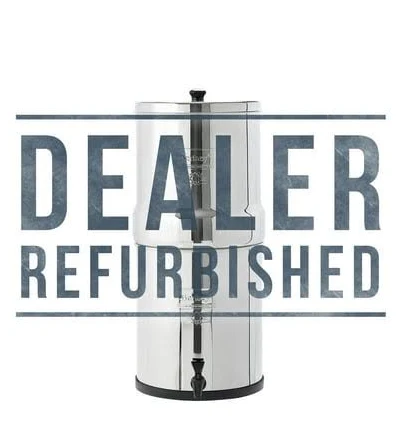
- Stainless steel housing and spigot
- We found no PFAS statement from the brand
- Bacterial growth and biofilm if filters not replaced
5 hazards checked on this product, all on its full breakdown.
- Borosilicate glass pitcher, replaceable activated-carbon filter cartridge
- Bacterial growth in filter cartridge if unmaintained
5 hazards checked on this product, all on its full breakdown.
More water filters grades
How we score, every product runs through the same public 0-100 rubric based on materials, coatings, brand disclosure, lab findings, and recalls. See the full methodology → Spotted a mistake? Report an error.