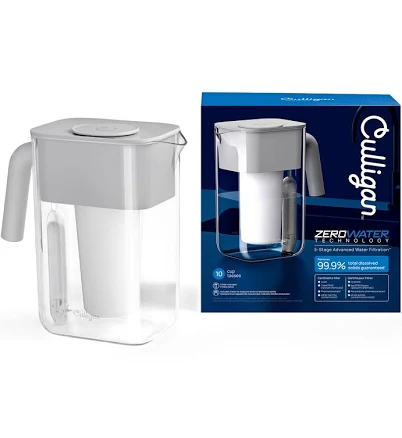
Culligan 10-Cup Ready Pour Pitcher
Lower concern product, though brand doesn't disclose PFAS status.
The BPA-free plastic pitcher with carbon and ion-exchange filter poses lower risk than coated cookware. Culligan offers no public PFAS claims or independent testing of the pitcher and filter internals.
We flunk more products than we pass. This one earned its grade. How we grade
Material
BPA-free plastic pitcher with carbon/ion-exchange filter
Lab data
No public lab test
You may also be interested in
Top-graded picks in the categories readers replace first, every one scored on the same rubric.

- polypropylene filter housing, carbon/sediment cartridge
- We found no PFAS statement from the brand
- Bacterial growth in spent cartridges
3 hazards checked on this product, all on its full breakdown.

Aquasure
Premier Series 75 GPD Under Sink Reverse Osmosis Water Filtration System
- RO membrane, carbon filters, stainless steel housing
- We found no PFAS statement from the brand
- Bacterial and microbial growth in housing and filters
4 hazards checked on this product, all on its full breakdown.

Avocado
Vegan Mattress
- organic cotton, natural latex, coconut coir, recycled steel coils
- The brand calls it PFAS-free, which we have not verified
- Heavy metals
2 hazards checked on this product, all on its full breakdown.
What Culligan 10-Cup Ready Pour Pitcher is made of, ingredients and materials
The Culligan Ready Pour is a polypropylene (PP) plastic pitcher housing a replaceable carbon and ion-exchange resin filter cartridge. Polypropylene is a rigid plastic rated for cold liquids only and does not leach BPA or bisphenol analogs under normal use. The carbon media traps chlorine taste/odor and some dissolved contaminants; ion-exchange resin softens water by reducing hardness minerals like calcium and magnesium. Both materials are well-established in consumer water filtration and pose minimal leaching risk at room temperature.
What’s concerning
No PFAS disclosure
No public statement from the brand about PFAS in this product.
Bacterial growth in filter media if neglected
Carbon and resin filters can harbor bacteria if not replaced on schedule or if pitcher sits unused for prolonged periods. No recalls on record for Culligan pitchers, but this is a known risk across all passive pitcher-filter designs if maintenance is skipped.
Ion-exchange resin exhaustion and mineral release
Spent resin can shed fine particles into water if the cartridge is not replaced on time. This is a quality-of-life issue rather than acute toxicity, but prolonged exposure to resin degradation products has not been extensively studied in consumer settings.
Inadequate contaminant removal (performance misalignment)
Passive carbon filters do not remove bacteria, viruses, nitrates, or most heavy metals. If consumers expect broad water purification, this pitcher will underdeliver; performance claims should be read carefully against actual filter certifications, which are absent for this model.
Plastic pitcher degradation from sunlight or heat
Polypropylene can become brittle and may leach additives if exposed to UV light or temperatures above its thermal limit over months. Proper storage in a cupboard mitigates this; clear kitchen display significantly increases risk of accelerated aging.
What’s reassuring
Base material not linked to PFAS
The main material recorded for this product is not one associated with PFAS.
Plastic pitcher housing leachables
Polypropylene is chemically stable at room temperature and BPA-free. Culligan's pitcher is not known to leach estrogenic compounds or phthalates under normal cold-water use; no reported contamination events in available records.
How is this PFAS grade calculated?
The brand's record and disclosure
Culligan is a long-established water treatment company with no public recalls specific to pitcher contamination or leachable toxins. The brand does not publish detailed PFAS testing results or commitments, placing it in the 'silent' category on that front. No formal certifications (NSF, WQA, UL) are prominently claimed for this specific pitcher model in available marketing materials, unlike some competitors. The pitcher carries standard FDA food-contact plastic approvals but lacks third-party independent verification of filter performance claims.
How it compares in its category
Pitcher filters like Culligan's are entry-level and rely on passive carbon absorption rather than active technologies (e.g., reverse osmosis, UV). They reduce chlorine and some organic compounds but do not remove bacteria, viruses, or heavy metals reliably. Compared to Brita or PUR (which carry NSF certifications), Culligan pitchers typically cost less but offer fewer published performance standards. Replacement filter frequency and cost are broadly equivalent across the category, around 2-3 months per cartridge.
If you buy it
Replace the filter cartridge every 2-3 months or after 40 gallons, whichever comes first, to prevent trapped organic material from becoming a bacterial growth site. Store the pitcher in a cool, dark place and do not expose the plastic housing to direct sunlight or heat above 60 degrees Celsius, as this can degrade the resin and increase leaching risk (though minimal). Rinse the filter under tap water before first use. If the water develops an unusual taste or odor between changes, the filter is spent and bacterial colonization is possible; replace immediately rather than wait.
What is not known about PFAS in this product?
- Basis
- Model estimate, 72% confidence, not a lab result
- Lab test
- None on record for this exact product
- Brand statement
- Culligan has made a specific claim
Formulations change between production runs, so check the current label. How we grade.
What are the PFAS-free alternatives to Culligan 10-Cup Ready Pour Pitcher?
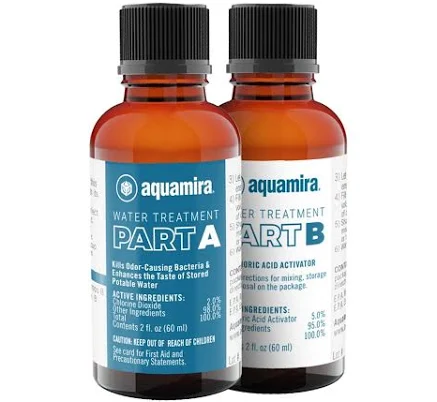
- glass bottles, sodium dichloroisocyanurate treatment chemical
- We found no PFAS statement from the brand
- Chemical overdose or misuse
5 hazards checked on this product, all on its full breakdown.

- Stainless steel housing and spigot
- We found no PFAS statement from the brand
- Bacterial growth and biofilm if filters not replaced
5 hazards checked on this product, all on its full breakdown.
- Borosilicate glass pitcher, replaceable activated-carbon filter cartridge
- Bacterial growth in filter cartridge if unmaintained
5 hazards checked on this product, all on its full breakdown.
More water filters grades
How we score, every product runs through the same public 0-100 rubric based on materials, coatings, brand disclosure, lab findings, and recalls. See the full methodology → Spotted a mistake? Report an error.