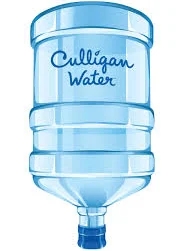
Culligan 5 Gallon Refill Bottle
Lower-concern for typical use; no transparency on filter composition or testing.
Culligan 5-gallon refill bottles are primarily food-grade plastic with no known intentional PFAS-based coatings. However, the brand provides no public disclosure of filter media composition or PFAS testing. Carbon and resin filters can contain trace PFAS depending on source materials.
We flunk more products than we pass. This one earned its grade. How we grade
Material
polycarbonate or polyethylene plastic bottle; carbon/resin filter media
Lab data
No public lab test
You may also be interested in
Top-graded picks in the categories readers replace first, every one scored on the same rubric.

- polypropylene filter housing, carbon/sediment cartridge
- We found no PFAS statement from the brand
- Bacterial growth in spent cartridges
3 hazards checked on this product, all on its full breakdown.

Aquasure
Premier Series 75 GPD Under Sink Reverse Osmosis Water Filtration System
- RO membrane, carbon filters, stainless steel housing
- We found no PFAS statement from the brand
- Bacterial and microbial growth in housing and filters
4 hazards checked on this product, all on its full breakdown.

Avocado
Vegan Mattress
- organic cotton, natural latex, coconut coir, recycled steel coils
- The brand calls it PFAS-free, which we have not verified
- Heavy metals
2 hazards checked on this product, all on its full breakdown.
What Culligan 5 Gallon Refill Bottle is made of, ingredients and materials
Culligan 5-gallon refill bottles are typically polycarbonate or high-density polyethylene (HDPE) plastic. Polycarbonate is rigid and durable but historically contained BPA as a hardening agent; Culligan markets these bottles as BPA-free, meaning the resin was reformulated or the product line shifted to BPA-free variants. HDPE alternatives are naturally lower-risk for leaching. The filter media inside uses activated carbon and ion-exchange resin, which are inert when functioning properly but require regular replacement to prevent bacterial colonization in stagnant water.
What’s concerning
No PFAS disclosure
No public statement from the brand about PFAS in this product.
BPA & bisphenols
Culligan labels these bottles as BPA-free, but independent lab verification of BPA-free status or the substitute chemical used is not publicly available. Polycarbonate can leach trace amounts under stress (heat, UV, age) even if reformulated.
Source, FDA ↗Bacterial growth and biofilm in stored water
Stagnant water in a sealed plastic bottle can support microbial growth if bottles are stored at room temperature for extended periods or if the delivery service does not sanitize between refills. This is a usage and maintenance issue, not a material defect.
Filter resin leaching and exhaustion
Ion-exchange resins inside the filter cartridge can degrade or leach salts, amines, or other compounds if filters are not replaced on schedule (typically 3-5 gallons per refill bottle). Culligan does not publicly disclose filter replacement schedules or test data.
Microplastics
Polycarbonate can fragment over time if scratched, cracked, or exposed to UV. Risk is low for properly stored bottles in a cool, dark location, but older or damaged bottles should be replaced.
Source, EPA ↗What’s reassuring
Base material not linked to PFAS
The main material recorded for this product is not one associated with PFAS.
Off-gassing from polycarbonate or HDPE
No documented complaints or recalls of off-gassing odors or volatiles from Culligan refill bottles in public safety databases. New bottles may have minor plastic odor but typically dissipates within days.
How is this PFAS grade calculated?
The brand's record and disclosure
Culligan is a major water-treatment brand with decades of market presence and no documented major product recalls for leaching or chemical contamination. The company does not publicly disclose detailed filter composition or testing data on PFAS removal rates, which is typical for the bottled-water industry but represents a transparency gap. BPA-free status is stated on product labeling but independent verification of this claim is limited. No formal third-party certifications (NSF, WQA) are commonly highlighted for the refill bottle itself, though filtration systems may carry such marks.
How it compares in its category
Culligan refill bottles are mid-market; they compete with store brands and smaller filtration companies. Unlike pitcher filters (Brita, PUR), refill bottles reduce single-use plastic footprint and cost per gallon. However, they lack the real-time transparency of point-of-use systems that publish contaminant removal data. Compared to glass or stainless alternatives, polycarbonate poses theoretical leaching risks, but the BPA-free formulation standard across major brands makes Culligan roughly equivalent to competitors on material safety.
If you buy it
Store refill bottles in cool, dark conditions away from direct sunlight to minimize polymer stress and any residual off-gassing. Do not reuse bottles for hot water or beverages; stick to room-temperature or refrigerated water. Replace the bottle every 2-3 years or if cracks, cloudiness, or odor develop. Ensure the delivery service sanitizes bottles between refills; if you refill at-home stations, inspect the filling nozzle and ask about cleaning frequency. Keep filled bottles upright and away from heat sources to prevent warping.
What is not known about PFAS in this product?
- Basis
- Model estimate, 68% confidence, not a lab result
- Lab test
- None on record for this exact product
- Brand statement
- Culligan has made a specific claim
Formulations change between production runs, so check the current label. How we grade.
What are the PFAS-free alternatives to Culligan 5 Gallon Refill Bottle?
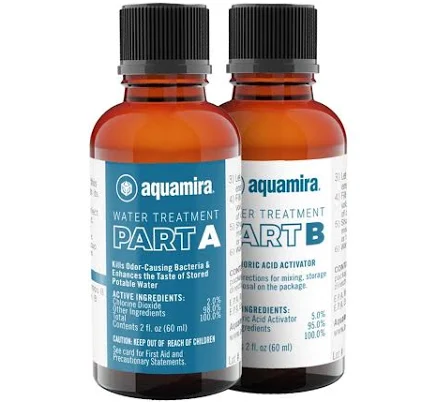
- glass bottles, sodium dichloroisocyanurate treatment chemical
- We found no PFAS statement from the brand
- Chemical overdose or misuse
5 hazards checked on this product, all on its full breakdown.
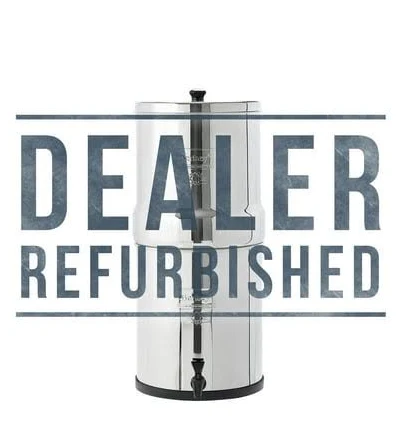
- Stainless steel housing and spigot
- We found no PFAS statement from the brand
- Bacterial growth and biofilm if filters not replaced
5 hazards checked on this product, all on its full breakdown.
- Borosilicate glass pitcher, replaceable activated-carbon filter cartridge
- Bacterial growth in filter cartridge if unmaintained
5 hazards checked on this product, all on its full breakdown.
More water filters grades
How we score, every product runs through the same public 0-100 rubric based on materials, coatings, brand disclosure, lab findings, and recalls. See the full methodology → Spotted a mistake? Report an error.