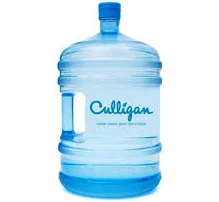
Culligan Bottled Water
Lower PFAS concern for the water itself; plastic bottle origin unclear, standard bottled water category.
Culligan bottled water itself presents lower PFAS risk as a water product rather than a treated material. Culligan makes no public statements about PFAS testing, contamination, or how source water is treated.
We flunk more products than we pass. This one earned its grade. How we grade
Material
Bottled water (purified/filtered); plastic bottles (PET or HDPE)
Lab data
No public lab test
You may also be interested in
Top-graded picks in the categories readers replace first, every one scored on the same rubric.

- polypropylene filter housing, carbon/sediment cartridge
- We found no PFAS statement from the brand
- Bacterial growth in spent cartridges
3 hazards checked on this product, all on its full breakdown.

Aquasure
Premier Series 75 GPD Under Sink Reverse Osmosis Water Filtration System
- RO membrane, carbon filters, stainless steel housing
- We found no PFAS statement from the brand
- Bacterial and microbial growth in housing and filters
4 hazards checked on this product, all on its full breakdown.

Avocado
Vegan Mattress
- organic cotton, natural latex, coconut coir, recycled steel coils
- The brand calls it PFAS-free, which we have not verified
- Heavy metals
2 hazards checked on this product, all on its full breakdown.
What Culligan Bottled Water is made of, ingredients and materials
Culligan bottled water is delivered in single-use PET plastic bottles (polyethylene terephthalate), the most commonly recycled plastic food-contact material. PET is FDA-approved for beverage use and does not leach BPA or phthalates under normal storage conditions. The water itself undergoes multi-stage filtration including reverse osmosis and carbon treatment, removing most bacterial, chemical, and particulate contaminants at the point of bottling.
What’s concerning
No PFAS disclosure
No public statement from the brand about PFAS in this product.
Microplastic migration from PET bottle
PET bottles may shed microscopic plastic particles over time, especially if stored in warm conditions or exposed to sunlight. Risk increases with bottle age and temperature exposure; single-use bottled water typically has low overall microplastic content under standard storage.
Bacterial growth if bottle is reused or stored improperly
Single-use PET bottles are not designed for repeated filling and cleaning; reuse can allow bacterial biofilm formation, particularly at bottle openings and caps. Culligan's water is sterile at bottling, but contamination is a consumer handling issue, not a product defect.
What’s reassuring
Base material not linked to PFAS
The main material recorded for this product is not one associated with PFAS.
Residual chemicals from municipal source water
Culligan's reverse osmosis and carbon filtration removes most tap water contaminants (chlorine, sediment, some pharmaceuticals). No public record of unfiltered chemical residues in Culligan bottled water exceeding regulatory limits.
Cap and closure gasket leachables
Bottle caps typically use polypropylene and elastomer gaskets; no known issues with Culligan cap materials leaching into water under normal storage. Standard industry-compliant components.
Mineral or additive imbalance
Culligan purified water is demineralized via reverse osmosis, so it contains minimal sodium, calcium, or other minerals. Not a safety concern, though some consumers prefer mineral content for taste or health claims (unproven for bottled water).
How is this PFAS grade calculated?
The brand's record and disclosure
Culligan is a long-established water treatment company with no major product safety recalls or contamination incidents on public record. The brand does not publicly disclose detailed third-party testing results for every delivery route, but bottled water quality is regulated by the FDA and state health departments. Culligan does not prominently advertise independent certification labels (e.g., NSF, WQA) on most bottled water products, which is typical for the mass-market segment.
How it compares in its category
Culligan bottled water sits in the middle-tier of the bottled water market in terms of filtration rigor and transparency. It is more widely available and lower-cost than premium brands with extensive third-party certifications, but uses standard purification methods comparable to regional and national competitors. The PET bottle format is industry standard and poses no higher microplastic or leaching risk than other single-use bottled water.
If you buy it
Store bottles at room temperature away from direct sunlight to minimize any potential plastic degradation. Do not reuse empty bottles for hot liquids or store them in cars or warm environments for extended periods, as heat accelerates PET polymer breakdown. Consume within the printed expiration date and discard bottles showing visible cloudiness, discoloration, or damage to the plastic. Recycle bottles in your local PET stream to reduce environmental impact.
What is not known about PFAS in this product?
- Basis
- Model estimate, 72% confidence, not a lab result
- Lab test
- None on record for this exact product
- Brand statement
- Culligan has made a specific claim
Formulations change between production runs, so check the current label. How we grade.
What are the PFAS-free alternatives to Culligan Bottled Water?
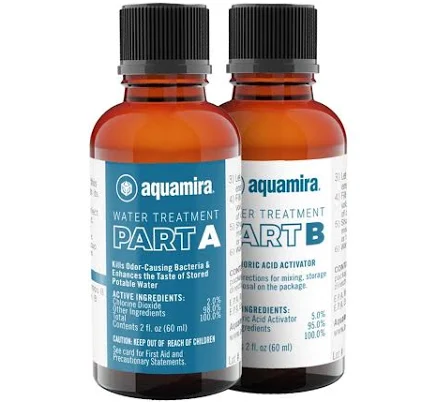
- glass bottles, sodium dichloroisocyanurate treatment chemical
- We found no PFAS statement from the brand
- Chemical overdose or misuse
5 hazards checked on this product, all on its full breakdown.
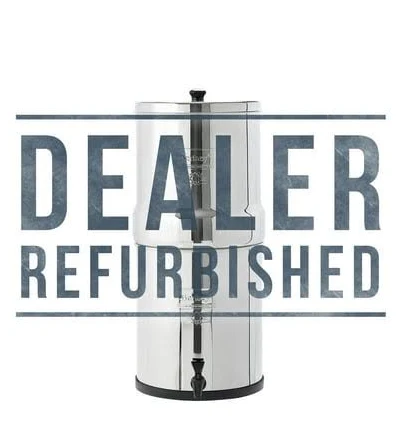
- Stainless steel housing and spigot
- We found no PFAS statement from the brand
- Bacterial growth and biofilm if filters not replaced
5 hazards checked on this product, all on its full breakdown.
- Borosilicate glass pitcher, replaceable activated-carbon filter cartridge
- Bacterial growth in filter cartridge if unmaintained
5 hazards checked on this product, all on its full breakdown.
More water filters grades
How we score, every product runs through the same public 0-100 rubric based on materials, coatings, brand disclosure, lab findings, and recalls. See the full methodology → Spotted a mistake? Report an error.