Core Equipment · Camping Tents & Tarps
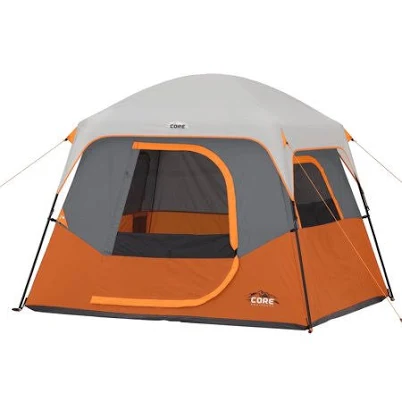
CORE 4 Person Straight Wall Cabin Tent
Polyester tent with water-repellent treatment of undisclosed chemistry.
This tent is polyester fabric with a water-repellent coating treatment. The brand has no PFAS statement on record and the chemistry of the water-repellent coating is not stated. Water-repellent treatments have historically used PFAS.
Still want this one anyway? Check the price on Amazon. We’d swap it.
Material
Polyester fabric with water-resistant water-repellent coating treatment
Brand disclosure
Brand is silent on PFAS
Lab data
No public lab test
You may also be interested in
Top-graded picks in the categories readers replace first, every one scored on the same rubric.

- polypropylene filter housing, carbon/sediment cartridge
- We found no PFAS statement from the brand
- Bacterial growth in spent cartridges
3 hazards checked on this product, all on its full breakdown.

Aquasure
Premier Series 75 GPD Under Sink Reverse Osmosis Water Filtration System
- RO membrane, carbon filters, stainless steel housing
- We found no PFAS statement from the brand
- Bacterial and microbial growth in housing and filters
4 hazards checked on this product, all on its full breakdown.

Avocado
Vegan Mattress
- organic cotton, natural latex, coconut coir, recycled steel coils
- The brand calls it PFAS-free, which we have not verified
- Heavy metals
2 hazards checked on this product, all on its full breakdown.
What CORE 4 Person Straight Wall Cabin Tent is made of, ingredients and materials
This tent uses polyester fabric, a synthetic polymer chosen for durability and water resistance. The 'water-repellent coating treatment' (water-repellent coating finish) is applied to the outer layer to shed water; this is where PFAS chemicals are typically hidden, since legacy water-repellent coating formulas relied on per- and polyfluoroalkyl compounds. Decathlon has not publicly disclosed whether this tent uses PFAS-based or PFAS-free water-repellent coating, making the actual chemistry opaque to buyers.
What’s concerning
Category baseline
The starting point for this type of product, before anything specific to this product is counted.
No PFAS disclosure
No public statement from the brand about PFAS in this product.
Waterproof / stain-resistant treatment
Water-repellent coating treatments have historically used PFAS.
PFAS
No public disclosure from Decathlon on whether this tent uses PFAS-based or PFAS-free water-resistant treatment. Legacy water-repellent coating formulas in this product category routinely contained long-chain PFAS; absence of a claim otherwise suggests conventional chemistry.
Source, ATSDR ↗Polyester off-gassing (VOC)
New polyester fabrics can release low levels of volatile organic compounds during initial use or if stored in warm conditions. This is typically mild in tents due to outdoor ventilation, but notable in sealed storage. Off-gassing diminishes within weeks of normal use.
Mold and bacterial growth if kept damp
Polyester itself does not degrade rapidly, but if stored wet or in humid conditions, mold and mildew can colonize the fabric interior, creating respiratory irritants. This is a maintenance issue, not an inherent material hazard, but common in neglected tents.
Coating degradation over time
Polyester water-repellent coating coatings degrade with UV exposure, washing, and flexing. As the tent ages, waterproofing diminishes, potentially leading to interior dampness. No specific failure timeline is documented for this model, but typical polyester tents show reduced water-repellent coating performance after 3-5 years of regular use.
What’s reassuring
Heavy metals
Polyester fabric and standard water-repellent coating treatments do not typically introduce lead, cadmium, or formaldehyde in amounts of safety concern for outdoor gear. No recalls or hazard alerts for this product category from Decathlon on these fronts.
Source, FDA ↗How is this PFAS grade calculated?
The brand's record and disclosure
Decathlon has not made industry-leading commitments on PFAS elimination in outdoor gear, unlike some competitors (e.g., Patagonia, The North Face). The brand does not provide chemical disclosures for individual products on retail sites. No major recalls or safety controversies specific to this tent model are publicly recorded, suggesting acceptable baseline quality control, but chemical transparency remains a gap.
How it compares in its category
Most budget to mid-range tents use polyester with water-repellent coating treatments; premium brands increasingly disclose PFAS-free alternatives or third-party certifications (e.g., bluesign, OEKO-TEX). This Decathlon model is typical for price point but lags on transparency. Alternatives with declared PFAS-free water-repellent coating (e.g., Hilleberg, some Coleman models) exist at similar or slightly higher cost.
If you buy it
Store the tent dry and well-ventilated to prevent mold growth inside the polyester (which can harbor bacteria if trapped moisture persists). Avoid washing with harsh detergents; rinse with plain water if needed. Inspect seams and coating for degradation annually; polyester water-repellent coating loses efficacy over 3-5 years of heavy use. If you intend long-term camping trips, budget for eventual re-coating or replacement, as the water-repellent finish will eventually wear.
What is not known about PFAS in this product?
- Basis
- Model estimate, 45% confidence, not a lab result
- Lab test
- None on record for this exact product
- Brand statement
- Core Equipment has made none
Formulations change between production runs, so check the current label. How we grade.
More camping tents & tarps grades
How we score, every product runs through the same public 0-100 rubric based on materials, coatings, brand disclosure, lab findings, and recalls. See the full methodology → Spotted a mistake? Report an error.