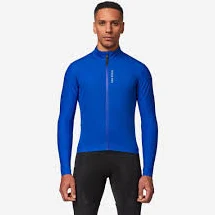
Decathlon · Cycling Rain Jackets
Men's Cold-Weather Road Cycling Jacket
Skip until Decathlon discloses water-repellent coating chemistry and certifications.
Decathlon does not publicly disclose the water-repellent coating chemistry on this jacket or certifications. Standard water-repellent treatments often contain PFAS; without transparency, risk cannot be assessed.
Still want this one anyway? Check the price on Amazon. We’d swap it.
Material
Polyester with water-repellent coating water-repellent treatment
Brand disclosure
Brand is silent on PFAS
Lab data
No public lab test
You may also be interested in
Top-graded picks in the categories readers replace first, every one scored on the same rubric.

- polypropylene filter housing, carbon/sediment cartridge
- We found no PFAS statement from the brand
- Bacterial growth in spent cartridges
3 hazards checked on this product, all on its full breakdown.

Aquasure
Premier Series 75 GPD Under Sink Reverse Osmosis Water Filtration System
- RO membrane, carbon filters, stainless steel housing
- We found no PFAS statement from the brand
- Bacterial and microbial growth in housing and filters
4 hazards checked on this product, all on its full breakdown.

Avocado
Vegan Mattress
- organic cotton, natural latex, coconut coir, recycled steel coils
- The brand calls it PFAS-free, which we have not verified
- Heavy metals
2 hazards checked on this product, all on its full breakdown.
What Men's Cold-Weather Road Cycling Jacket is made of, ingredients and materials
This jacket is polyester with a water-repellent coating (water-repellent coating) finish. Polyester itself is chemically stable in normal use, but the water-repellent coating is where risk concentrates. Decathlon has not published what chemistry they use for water repellency (fluorocarbon-based, silicone-based, or other), which is the core concern here. The fabric itself will not degrade or leach under typical wearing and washing conditions.
What’s concerning
Waterproof / stain-resistant treatment
Water-repellent coating treatments have historically used PFAS.
Category baseline
The starting point for this type of product, before anything specific to this product is counted.
No PFAS disclosure
No public statement from the brand about PFAS in this product.
Azo dyes in polyester coloring
Polyester jackets, especially darker colors, may contain azo dyes that can cleave into aromatic amines under high heat or strong alkaline conditions. Decathlon does not publicly commit to azo-dye-free production for this product. Risk is low under normal wear and cool water washing, but not ruled out.
water-repellent coating treatment leaching and persistence
If the water-repellent coating contains legacy PFAS or fluorocarbon compounds, repeated washing will release small amounts into wastewater. These compounds persist in the environment and bioaccumulate. Without knowing the chemistry, you cannot assess the actual persistence risk of this specific product.
Formaldehyde / VOCs
Some polyester technical wear uses formaldehyde-based resins for wrinkle resistance or shape retention. Decathlon does not publish finishes or treatments for this model. Skin contact risk is low, but off-gassing during first wears and laundering is possible.
Source, ATSDR ↗VOC off-gassing from synthetic coating
New polyester jackets with water-repellent coating can release volatile organic compounds during initial wear and storage. This is typically mild and resolves after a few wears and air-outs, but unpleasant odor and transient respiratory irritation are reported by some users of similar products.
What’s reassuring
Antimony residues in polyester fiber
Antimony trioxide is used as a polyester catalyst and can leave trace residues in the finished fabric. No specific testing or recall data exists for Decathlon cycling wear on this metric. Residual levels in standard polyester are typically below concern thresholds, but composition testing is not published.
How is this PFAS grade calculated?
The brand's record and disclosure
Decathlon has not publicly disclosed the specific water-repellent coating treatment chemistry or certifications (such as OEKO-TEX, bluesign, or PFC-free claims) for this product line. The brand's general environmental commitments do not extend to transparent PFAS reporting on technical cycling wear. This silence is notable in an era where competitors increasingly publish water-repellent coating sourcing and testing data. Without certification or disclosure, you cannot verify whether the treatment contains legacy PFAS, newer alternatives, or unproven substitutes.
How it compares in its category
Many mainstream cycling jackets from larger brands (Decathlon, Shimano, entry-level Gore-Tex alternatives) rely on fluorocarbon water-repellent coating; this is not unusual, but disclosure varies widely. Premium brands and eco-conscious alternatives increasingly offer PFC-free water-repellent coating options or bluesign certification. Decathlon's silence puts this jacket in the middle of the pack, functional but opaque, whereas higher-end competitors are beginning to lead on water-repellent coating transparency. For the price point, you are not getting documented assurance of lower concern chemistry.
If you buy it
Wash the jacket infrequently and in cold water with mild detergent; avoid dry cleaning, which may mobilize water-repellent coating compounds. Do not machine dry or expose to high heat, as this can damage the coating and potentially increase emission risk. Expect the water-repellent coating finish to degrade after 30-50 washes depending on care; at that point, you can reapply commercial water-repellent coating spray (choose a PFC-free option) or replace the jacket. Store dry in a cool place away from direct sunlight to extend the coating lifespan.
What is not known about PFAS in this product?
- Basis
- Model estimate, 35% confidence, not a lab result
- Lab test
- None on record for this exact product
- Brand statement
- Decathlon has made none
Formulations change between production runs, so check the current label. How we grade.
What are the PFAS-free alternatives to Men's Cold-Weather Road Cycling Jacket?
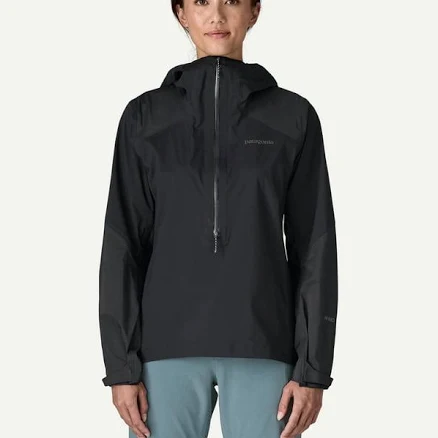
- polyester shell with water-repellent coating finish
- The brand calls it PFAS-free, which we have not verified
- Azo dyes and color fastness
4 hazards checked on this product, all on its full breakdown.
Find an alternative on Amazon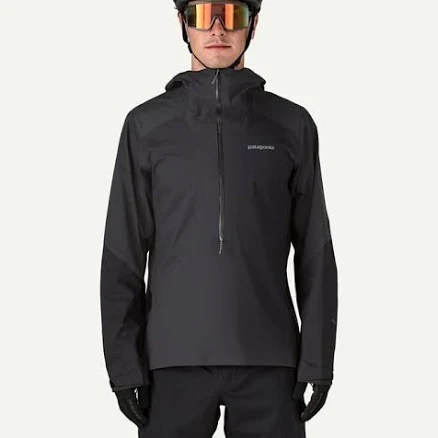
- nylon/polyester with water-repellent coating water treatment
- The brand calls it PFAS-free, which we have not verified
- PFAS
3 hazards checked on this product, all on its full breakdown.
Find an alternative on Amazon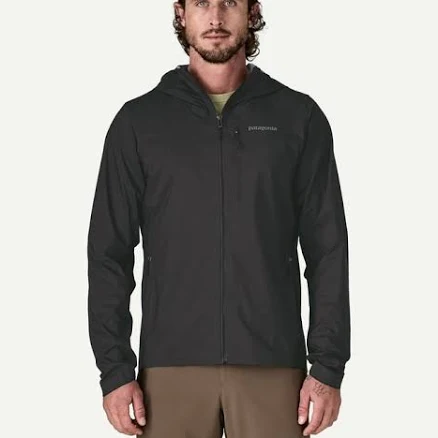
- Nylon with water-repellent coating water-repellent coating finish
- The brand calls it PFAS-free, which we have not verified
- water-repellent coating chemistry opacity (fluorinated vs. non-fluorinated)
3 hazards checked on this product, all on its full breakdown.
Find an alternative on AmazonMore cycling rain jackets grades
How we score, every product runs through the same public 0-100 rubric based on materials, coatings, brand disclosure, lab findings, and recalls. See the full methodology → Spotted a mistake? Report an error.