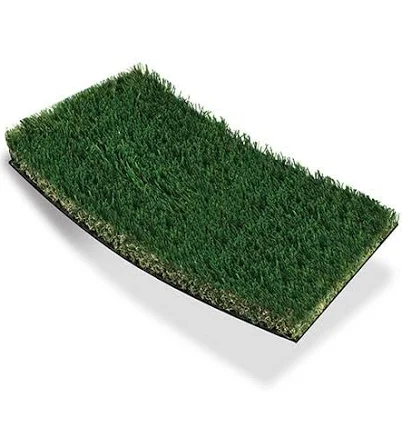
PT Pro 50 Grass-Like Artificial Turf
Avoid pending ingredient disclosure from the brand on coating composition.
Artificial turf typically requires water and stain-resistance treatments, often PFAS-based. The brand discloses no coating chemistry or PFAS status for this product.
The better-graded swap
FieldTurf
Vertex CORE Synthetic Turf System
75/100 safety
Same rubric that flunked this product. The swap earned Excellent.
Still want this one anyway? Check the price on Amazon. We’d swap it.
Material
polyethylene fibers with water/stain-resistant coating
Brand disclosure
Brand is silent on PFAS
Lab data
No public lab test
You may also be interested in
Top-graded picks in the categories readers replace first, every one scored on the same rubric.

- polypropylene filter housing, carbon/sediment cartridge
- We found no PFAS statement from the brand
- Bacterial growth in spent cartridges
3 hazards checked on this product, all on its full breakdown.

Aquasure
Premier Series 75 GPD Under Sink Reverse Osmosis Water Filtration System
- RO membrane, carbon filters, stainless steel housing
- We found no PFAS statement from the brand
- Bacterial and microbial growth in housing and filters
4 hazards checked on this product, all on its full breakdown.

Avocado
Vegan Mattress
- organic cotton, natural latex, coconut coir, recycled steel coils
- The brand calls it PFAS-free, which we have not verified
- Heavy metals
2 hazards checked on this product, all on its full breakdown.
What PT Pro 50 Grass-Like Artificial Turf is made of, ingredients and materials
PT Pro 50 uses polyethylene fibers, a plastic polymer that is chemically stable at room temperature and does not leach BPA or phthalates under normal use. The hazard lies in the water/stain-resistant coating applied to those fibers, which the brand has not publicly detailed. Water and stain resistance in synthetic turf is commonly achieved with fluorinated compounds (PFAS), though non-PFAS alternatives exist. Without ingredient transparency, the coating's chemical identity and safety profile cannot be assessed.
What’s concerning
Category baseline
The starting point for this type of product, before anything specific to this product is counted.
No PFAS disclosure
No public statement from the brand about PFAS in this product.
Waterproof / stain-resistant treatment
Water-repellent coating treatments have historically used PFAS.
PFAS
The stain-resistant treatment is likely PFAS-based, but the brand has not disclosed the coating chemistry. PFAS can leach into surrounding soil and groundwater over time, particularly in wet conditions or after physical degradation of fibers.
Source, ATSDR ↗Microplastic shedding
Artificial turf products shed polyethylene microfibers during foot traffic, weathering, and wear. Long-term accumulation in soil and potential ingestion via dust or soil contact is documented in published research, though toxicity of polyethylene fibers themselves is low.
VOC off-gassing
New artificial turf can off-gas volatile organic compounds from manufacturing residues or adhesives used during installation, particularly in warm weather. PT Pro 50 documentation does not specify VOC limits or off-gassing testing; ventilation is recommended immediately after installation.
What’s reassuring
Flame retardants
No flame retardant additives or antimony contamination has been reported in PT Pro 50 turf. Standard polyethylene is not inherently flammable and typically does not require flame retardant treatment for outdoor use.
Source, EPA ↗Heavy metals
Polyethylene fibers and modern pigment standards make heavy metal contamination unlikely in commercial-grade turf. No recalls or reports of lead, cadmium, or arsenic in PT Pro 50 are on public record.
Source, FDA ↗How is this PFAS grade calculated?
The brand's record and disclosure
The brand has a complex history with fluorochemical transparency. The company faced major litigation over PFOA contamination in drinking water and has since committed to phasing out legacy PFOA in some product lines, but disclosure practices remain inconsistent. For PT Pro 50 specifically, the brand does not publicly list coating ingredients or PFAS-free certification on readily available product documentation. This silence is notable given that competitors in artificial turf (e.g., FieldTurf, Shaw Sports) have begun advertising PFAS-free alternatives or providing more granular ingredient data.
How it compares in its category
Artificial turf as a category carries low toxicity risk compared to many furniture products because it sits on top of soil rather than being ingested or worn against skin. However, PFAS-treated turf is common across the industry; the PT Pro 50 is not unusual in this regard. Products explicitly marketed as PFAS-free (using polyester, polypropylene, or silicone-based coatings) are increasingly available at comparable price points, making the brand's lack of transparency a competitive disadvantage rather than a necessity.
If you buy it
Request a full Safety Data Sheet (SDS) or technical specification sheet from before purchase, specifically asking whether the water-resistant coating contains PFAS or fluorinated compounds. Avoid installation near vegetable gardens or areas where children may ingest soil particles, as PFAS-coated fibers can degrade over time and microplastics may shed. Rinse the turf thoroughly after installation and maintain it dry when possible to minimize potential leaching. Replace the product if visible degradation occurs or if you later learn the coating contains legacy PFAS compounds.
What is not known about PFAS in this product?
- Basis
- Model estimate, 35% confidence, not a lab result
- Lab test
- None on record for this exact product
- Brand statement
- has made none
Formulations change between production runs, so check the current label. How we grade.
What are the PFAS-free alternatives to PT Pro 50 Grass-Like Artificial Turf?
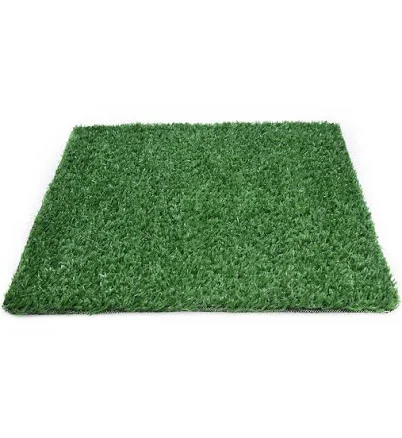
- Polypropylene (PP) astroturf
- We found no PFAS statement from the brand
- VOC off-gassing from polyurethane or latex adhesive
5 hazards checked on this product, all on its full breakdown.
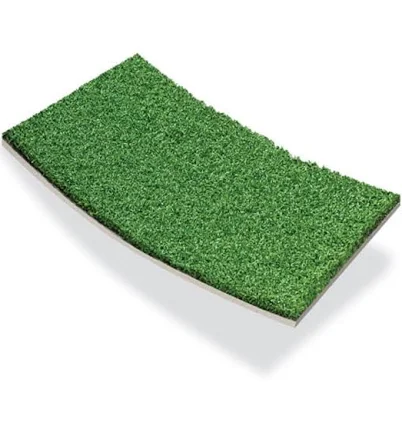
34 Oz Padded Gym Artificial Turf
- polyethylene turf fibers, polypropylene backing
- We found no PFAS statement from the brand
- VOC off-gassing from polyethylene and polypropylene
4 hazards checked on this product, all on its full breakdown.
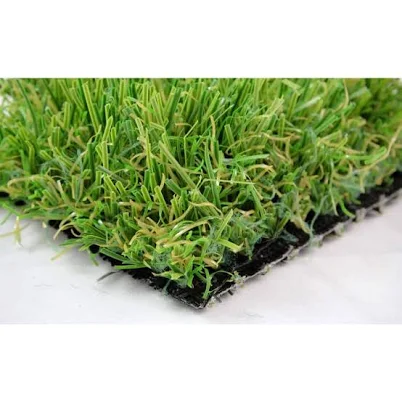
- polyethylene/polypropylene synthetic grass fibers with backing
- We found no PFAS statement from the brand
- Flame retardants
4 hazards checked on this product, all on its full breakdown.
Find an alternative on AmazonMore artificial turf grades
How we score, every product runs through the same public 0-100 rubric based on materials, coatings, brand disclosure, lab findings, and recalls. See the full methodology → Spotted a mistake? Report an error.