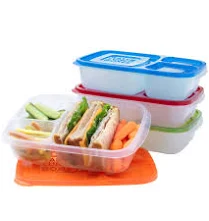
EasyLunchboxes 3-Compartment Bento Lunch Box Containers
Lower-concern choice; no PFAS-prone coatings identified in product design.
EasyLunchboxes bento boxes are rigid polypropylene with no nonstick, waterproof, or stain-resistant coatings reported. Brand does not disclose PFAS status, but material itself presents lower concern than treated cookware or coated textiles.
We flunk more products than we pass. This one earned its grade. How we grade
Material
Polypropylene (PP) rigid plastic containers
Brand disclosure
Brand is silent on PFAS
Lab data
No public lab test
What EasyLunchboxes 3-Compartment Bento Lunch is made of, ingredients and materials
EasyLunchboxes containers are injection-molded polypropylene (PP), a thermoplastic with no inherent BPA, BPS, or phthalates in its base polymer. PP is one of the most chemically stable food-contact plastics and does not leach significant compounds at room or refrigerated temperatures. The rigid compartmentalized design is achieved through mold geometry alone, not adhesives, coatings, or additives known to pose leaching risk. PP's melting point around 130-140°C means it remains structurally sound and chemically stable during normal meal prep and storage.
What’s concerning
Category baseline
The starting point for this type of product, before anything specific to this product is counted.
No PFAS disclosure
No public statement from the brand about PFAS in this product.
Microplastic shedding or degradation
Rigid PP containers are more resistant to physical degradation than thin-walled plastics, but UV exposure, mechanical stress (stacking, dishwasher abrasion), and thermal cycling over years may cause micro-scale surface loss. Risk is lower than soft plastic bags or films but not zero; replace visibly worn containers to minimize ingestion of particles.
Additive leaching (colorants, UV stabilizers, processing aids)
Molded polypropylene typically contains carbon black, titanium dioxide, or other colorants and heat stabilizers; these are tightly bound in the polymer matrix and do not leach significantly at room temperature. Exposure to prolonged heat, sunlight, or acidic foods may theoretically mobilize trace additives, but no reports of adverse effects or measurable leaching from EasyLunchboxes containers exi
Lid seal degradation and bacterial entrapment
Hinged or snap-lock plastic lids can crack, cloud with age, or fail to seal airtight, creating conditions for bacterial growth if moist foods are stored for extended periods. This is a maintenance and replacement issue, not a chemical hazard, but degraded seals increase food spoilage and contamination risk over time.
What’s reassuring
Base material not linked to PFAS
The main material recorded for this product is not one associated with PFAS.
BPA & bisphenols
Polypropylene base polymer does not contain BPA or BPS; no reports of leaching from EasyLunchboxes containers. This hazard is not a concern for PP-based rigid food storage.
Source, FDA ↗Phthalate plasticizers
PP is inherently rigid and does not require phthalate softeners; rigid injection-molded design confirms absence of this chemical class. Not documented in this product line.
The full breakdown
The brand's record and disclosure
EasyLunchboxes maintains no publicly documented certifications (e.g., FDA approval statements, third-party chemical testing) or formal disclosure about material sourcing or additive packages on their product pages. The brand has not been named in product safety recalls or hazard investigations as of available public records. No controversy regarding this product line is established in consumer or regulatory databases. Lack of transparency on additives or manufacturing is typical for this market segment but limits independent verification of colorants, stabilizers, or processing aids used.
How it compares in its category
Rigid PP food containers occupy the lower-hazard tier of food-storage plastics because PP resists leaching better than polycarbonate (BPA risk) or soft vinyl (phthalates). EasyLunchboxes containers are functionally equivalent to Rubbermaid Brilliance, Sistema, and Pyrex plastic lines in material stability; they offer cost parity with systems marketed as 'BPA-free' but provide no added chemical safety margin. The compartmentalized design and locking lids improve practical durability and reduce risk of spills that might require replacement, compared to single-chamber alternatives.
If you buy it
Do not microwave these containers; PP softens at temperatures above 100-110°C and may leach trace additives or distort lids if exposed to direct microwave heat. Hand wash or use cool-water dishwasher cycles to extend seal integrity and prevent stress-cracking. Inspect lids and seams annually for cloudiness, warping, or discoloration; replace containers if structural degradation is visible, as cracked polymers may harbor bacteria. Avoid storing oily or acidic foods (citrus, tomato sauce, vinegar-based dressings) for more than a few days, as prolonged contact may cause minor softening at edges; this is not a toxicity hazard but affects longevity.
What we don’t know
- Basis
- Model estimate, 72% confidence, not a lab result
- Lab test
- None on record for this exact product
- Brand statement
- EasyLunchboxes has made none
Formulations change between production runs, so check the current label. How we grade.
Better-graded alternatives in Lunch Boxes
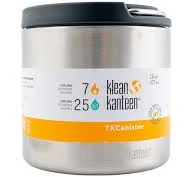
Klean Kanteen
Double Wall Vacuum Insulated Stainless Steel Food Canister Container with Leak Proof Lid
- Stainless steel body, silicone gasket lid seal
- The brand calls it PFAS-free, which we have not verified
- Silicone gasket degradation
3 hazards checked on this product. See all of them.
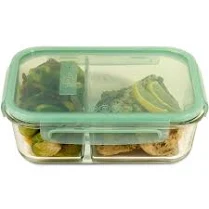
Snapware
Meal Box Glass
- borosilicate glass
- We found no PFAS statement from the brand
- Leaching from glass matrix or lid seals
2 hazards checked on this product. See all of them.
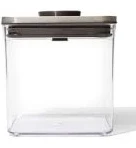
OXO
Steel Pop Big Square Short - 2.8 Qt/2.6 l
- Stainless steel container, no surface treatment
- Lid/gasket polymer leaching
3 hazards checked on this product. See all of them.
More lunch boxes grades
How we score, every product runs through the same public 0-100 rubric based on materials, coatings, brand disclosure, lab findings, and recalls. See the full methodology → Spotted a mistake? Report an error.