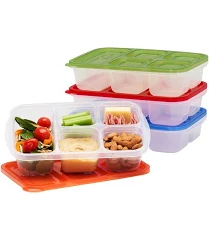
Easylunchboxes Bento Lunch Boxes Reusable 5-Compartment Food Containers for School, Work, and Travel
Lower concern. Rigid PP containers rarely use PFAS coatings.
EasyLunchboxes are molded polypropylene, a common food-contact plastic with lower PFAS risk than coated or nonstick products. Brand offers no PFAS disclosure; public materials show standard PP composition.
We flunk more products than we pass. This one earned its grade. How we grade
Material
Polypropylene (PP) compartmented tray, silicone seals
Brand disclosure
Brand is silent on PFAS
Lab data
No public lab test
What Easylunchboxes Bento Lunch Boxes Reusable is made of, ingredients and materials
EasyLunchboxes bento trays are rigid polypropylene (PP, #5 plastic) with silicone rubber seals. Polypropylene is a thermoplastic polymer that does not leach BPA or phthalates by design and resists degradation during normal food contact and washing. Silicone seals are synthetic polymers with no plasticizers and are stable across a wide temperature range, making them less prone to migration than vinyl or rubber alternatives. This material combination is among the more chemically inert choices for reusable food containers.
What’s concerning
Category baseline
The starting point for this type of product, before anything specific to this product is counted.
No PFAS disclosure
No public statement from the brand about PFAS in this product.
Microplastics
Polypropylene is durable but can fragment if cracked or repeatedly flexed over many years. Risk is low under normal use (hand washing, cool storage) but increases if containers are subjected to thermal shock or mechanical stress.
Source, EPA ↗Oligomer and residual monomer migration
All polypropylene may contain trace oligomers or unreacted propylene monomers that can leach into fatty or hot foods. Absolute migration levels for this brand are not published, but industry data suggests they remain well below food safety limits for new containers.
What’s reassuring
Base material not linked to PFAS
The main material recorded for this product is not one associated with PFAS.
BPA & bisphenols
Polypropylene does not contain BPA, BPS, or phthalate plasticizers by composition. No recalls or migration reports for this brand or material class are on record.
Source, FDA ↗Silicone seal leaching
Silicone is a high-molecular-weight polymer with minimal leaching potential under normal conditions. No hazardous migration has been reported from silicone gaskets in reusable food containers.
Lead
Polypropylene reusable containers do not use ceramic glazes or enamels where heavy metal pigments are common. No regulatory violations or contamination reports exist for EasyLunchboxes products.
Source, ATSDR ↗The full breakdown
The brand's record and disclosure
EasyLunchboxes does not publicly disclose manufacturing certifications (FDA, BPA-free statements, or third-party testing) on widely available product information. The brand has no established history of recalls, contamination reports, or chemical safety controversies in public databases. The absence of explicit certification statements is common for smaller reusable food container manufacturers and does not indicate a failure of safety; it reflects limited marketing around safety claims rather than evidence of hazard.
How it compares in its category
Polypropylene bento boxes occupy the middle ground of reusable lunch container materials, more durable and less prone to warping than thin plastic, but less inert than glass or stainless steel. Compared to polyethylene terephthalate (PET, #1) or polycarbonate alternatives, PP offers lower migration potential and no antimony catalyst residues. The silicone seals are more resistant to degradation than rubber gaskets used in older metal lunch boxes, reducing the risk of seal particles entering food over years of use.
If you buy it
Hand wash or use the top rack of a dishwasher below 65°C (149°F) to extend seal life; polypropylene itself tolerates higher heat but silicone seals degrade faster at sustained high temperatures. Do not use in a microwave, as heating polypropylene can increase the rate of any residual oligomer migration, though absolute risk remains low. Inspect seals annually for cracks, discoloration, or hardening; replace if visible wear appears. Avoid contact with strong solvents or oils that can swell the polymer over time.
What we don’t know
- Basis
- Model estimate, 72% confidence, not a lab result
- Lab test
- None on record for this exact product
- Brand statement
- EasyLunchboxes has made none
Formulations change between production runs, so check the current label. How we grade.
Better-graded alternatives in Lunch Boxes
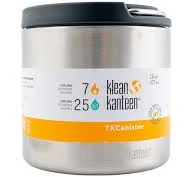
Klean Kanteen
Double Wall Vacuum Insulated Stainless Steel Food Canister Container with Leak Proof Lid
- Stainless steel body, silicone gasket lid seal
- The brand calls it PFAS-free, which we have not verified
- Silicone gasket degradation
3 hazards checked on this product. See all of them.
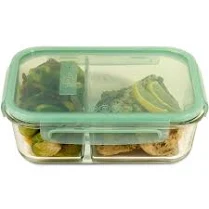
Snapware
Meal Box Glass
- borosilicate glass
- We found no PFAS statement from the brand
- Leaching from glass matrix or lid seals
2 hazards checked on this product. See all of them.
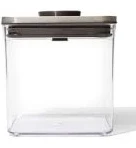
OXO
Steel Pop Big Square Short - 2.8 Qt/2.6 l
- Stainless steel container, no surface treatment
- Lid/gasket polymer leaching
3 hazards checked on this product. See all of them.
More lunch boxes grades
How we score, every product runs through the same public 0-100 rubric based on materials, coatings, brand disclosure, lab findings, and recalls. See the full methodology → Spotted a mistake? Report an error.