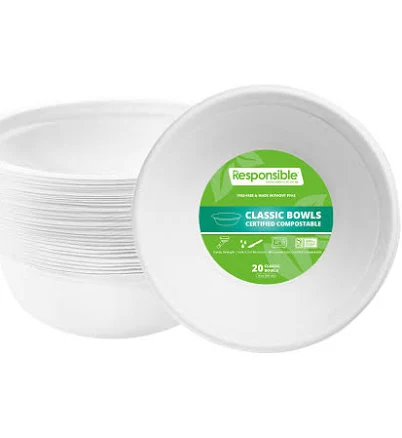
Compostable 16 oz Molded Fiber Bowls Value Pack
Water-repellent treatment chemistry not stated. Unverified brand PFAS-free claim on record.
The brand states this product is PFAS-free, an unverified claim. The molded fiber bowl has a water-based coating, but its specific chemistry is not disclosed. Water-repellent treatments have historically used PFAS compounds.
Brand says: “The brand has announced PFAS-free compostable food containers.”
The better-graded swap
Green Wave International
45 oz Round Sugarcane Bowl
85/100 safety
Same rubric that flunked this product. The swap earned Excellent.
Still want this one anyway? Check the price on Amazon. We’d swap it.
Material
Molded fiber (recycled paper/pulp) with water-based coating
Brand disclosure
Brand claims PFAS-free
Lab data
No public lab test
You may also be interested in
Top-graded picks in the categories readers replace first, every one scored on the same rubric.

- polypropylene filter housing, carbon/sediment cartridge
- We found no PFAS statement from the brand
- Bacterial growth in spent cartridges
3 hazards checked on this product, all on its full breakdown.

Aquasure
Premier Series 75 GPD Under Sink Reverse Osmosis Water Filtration System
- RO membrane, carbon filters, stainless steel housing
- We found no PFAS statement from the brand
- Bacterial and microbial growth in housing and filters
4 hazards checked on this product, all on its full breakdown.

Avocado
Vegan Mattress
- organic cotton, natural latex, coconut coir, recycled steel coils
- The brand calls it PFAS-free, which we have not verified
- Heavy metals
2 hazards checked on this product, all on its full breakdown.
What Compostable 16 oz Molded Bowls Value Pack is made of, ingredients and materials
The brand's 16 oz bowls are molded fiber, a pressed pulp material made from post-consumer recycled paper and cardboard. The pulp itself is benign; the critical unknown is the water-based coating applied for grease resistance. Molded fiber without any coating absorbs liquids quickly, so the coating is functional, not decorative. The chemistry of that coating is not disclosed on the packaging or readily available from the brand.
What’s concerning
Category baseline
The starting point for this type of product, before anything specific to this product is counted.
Waterproof / stain-resistant treatment
Water-repellent coating treatments have historically used PFAS.
PFAS
The water-based coating providing grease resistance has not been publicly detailed. While the brand claims PFAS-free status, the specific chemistry (fluorine-free alternatives, silicones, waxes, or other polymers) is unconfirmed. Risk escalates if coating contacts hot or fatty foods.
Source, ATSDR ↗Microbiological growth in porous substrate
Molded fiber is inherently porous. If bowls are reused (contrary to single-use intent), inadequate drying between uses or storage in humid conditions can promote mold or bacterial colonization in the pulp matrix, especially at the coating-substrate interface.
Coating degradation and fragment ingestion
Over time or with mechanical stress, the water-based coating may flake or peel. Small fragments could be ingested if not visually noticed. Risk is low for single-use, but higher if bowls are washed repeatedly or used for hot items.
Incomplete disclosure and third-party validation
No FDA food-contact compliance letter or independent laboratory testing of this specific product line is publicly available. The brand's PFAS-free claim is not backed by published certificates or reports, making it difficult to assess true safety margins.
Leaching from coating into acidic or fatty foods
Water-based coatings may release substances under stress (acidic foods, oils, heat). Without chemistry disclosure, leaching risk cannot be quantified but should be considered if bowls are used for acidic condiments, oils, or warm foods regularly.
What’s reassuring
Brand-stated PFAS-free
The brand states this product is PFAS-free. We have not verified the claim.
How is this PFAS grade calculated?
The brand's record and disclosure
The brand markets itself as a compostable, sustainable brand and has made public statements about PFAS avoidance. However, they have not published detailed ingredient lists, third-party certifications (such as FDA food-contact validation), or test reports for their coatings on this product line. The absence of disclosure does not prove harm, but it means claims cannot be independently verified. Compostability certifications (e.g., BPI, Din Certco) apply to the base material and degradation profile, not coating safety.
How it compares in its category
Molded fiber bowls occupy a middle ground, they avoid the Teflon-type coating and aluminum concerns of traditional nonstick cookware and the microplastic risk of some plastics, but they introduce coating composition uncertainty. Uncoated molded fiber is widely available but not grease-resistant. Compostable plastic (PLA) bowls are an alternative if you prioritize transparent material sourcing, though they have their own thermal limits. The brand's positioning that their products don't contain PFAS is a competitive advantage, contingent on truthfulness.
If you buy it
Use these bowls for room-temperature or warm (not hot) food and beverages; do not microwave or use with boiling liquids, as heat may stress the coating or accelerate any leaching. Compost only through a certified composting facility; home composting may not reach temperatures needed to fully break down the coating. Inspect bowls before use for damage or delamination; discard if coating flakes. Store in a dry place to avoid mold growth in the porous pulp substrate.
What is not known about PFAS in this product?
- Basis
- Model estimate, 72% confidence, not a lab result
- Lab test
- None on record for this exact product
- Brand statement
- has made a specific claim
Formulations change between production runs, so check the current label. How we grade.
What are the PFAS-free alternatives to Compostable 16 oz Molded Fiber Bowls Value Pack?
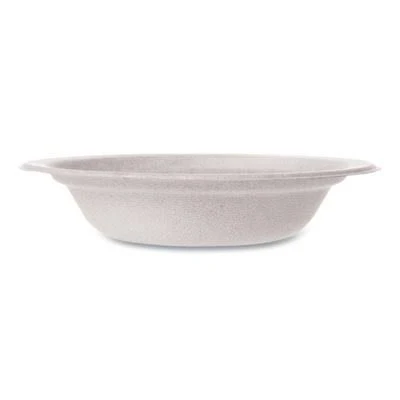
Bridge-Gate 12 oz. White Bagasse Bowl (1000 per Case)
- bagasse (sugarcane fiber), uncoated
- A third party reports verifying it as PFAS-free
- Mold or microbial growth during storage or use
3 hazards checked on this product, all on its full breakdown.
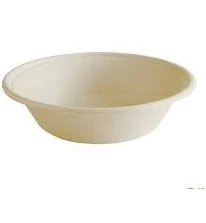
- Kraft molded fiber (uncoated or minimal treatment)
- A third party reports verifying it as PFAS-free
- Moisture absorption and microbial growth
3 hazards checked on this product, all on its full breakdown.
- sugarcane fiber, Kraft paper coating
- We found no PFAS statement from the brand
- Kraft paper coating migration (processing chemicals, sizing agents)
4 hazards checked on this product, all on its full breakdown.
More compostable bowls grades
How we score, every product runs through the same public 0-100 rubric based on materials, coatings, brand disclosure, lab findings, and recalls. See the full methodology → Spotted a mistake? Report an error.