Emsa Lunchbox Clip & Go XL, Speisebehälter mit 3 Einsätzen, Kunststoff Grün 2.2L
Lower concern; polypropylene food container with no PFAS signals detected.
Emsa's polypropylene lunchbox is a rigid food storage container with no known PFAS-associated features. Brand makes no PFAS claim, but polypropylene itself carries lower PFAS risk than coated or treated materials.
We flunk more products than we pass. This one earned its grade. How we grade
Material
polypropylene plastic with silicone gaskets
Brand disclosure
Brand is silent on PFAS
Lab data
No public lab test
You may also be interested in
Top-graded picks in the categories readers replace first, every one scored on the same rubric.

- polypropylene filter housing, carbon/sediment cartridge
- We found no PFAS statement from the brand
- Bacterial growth in spent cartridges
3 hazards checked on this product, all on its full breakdown.

Aquasure
Premier Series 75 GPD Under Sink Reverse Osmosis Water Filtration System
- RO membrane, carbon filters, stainless steel housing
- We found no PFAS statement from the brand
- Bacterial and microbial growth in housing and filters
4 hazards checked on this product, all on its full breakdown.

Avocado
Vegan Mattress
- organic cotton, natural latex, coconut coir, recycled steel coils
- The brand calls it PFAS-free, which we have not verified
- Heavy metals
2 hazards checked on this product, all on its full breakdown.
What Emsa Lunchbox Clip & Go Kunststoff Grün is made of, ingredients and materials
This lunchbox is injection-molded polypropylene (PP), a thermoplastic polymer widely used in food storage because it resists cracking and does not leach BPA or phthalates under normal use. The silicone gaskets provide an airtight seal without relying on chemical adhesives or plasticizers. Polypropylene is stable at refrigerator and room temperatures but can soften or warp above 100°C, which is relevant for microwave use and hot-food storage.
What’s concerning
Category baseline
The starting point for this type of product, before anything specific to this product is counted.
No PFAS disclosure
No public statement from the brand about PFAS in this product.
Microplastics
Prolonged exposure to hot water, boiling, or microwave use may accelerate polymer breakdown and migration of small particles into food, particularly if the container is scratched or old. This is not specific to Emsa but a material-class concern for all polypropylene food containers.
Source, EPA ↗Silicone gasket degradation and leaching
Food-grade silicone gaskets are generally low-concern, but repeated heating, strong solvents (vinegar, alcohol), and dishwasher cycles can compromise elasticity and seal integrity over time. No known leachates from Emsa gaskets reported, but replacement is prudent after 2-3 years of heavy use.
Mold or bacterial growth in seals
The gasket channel can trap moisture and food residue if not dried thoroughly after washing. Regular inspection and air-drying (not sealed storage while damp) mitigate this environmental, not chemical, risk.
What’s reassuring
Base material not linked to PFAS
The main material recorded for this product is not one associated with PFAS.
BPA & bisphenols
Polypropylene food containers do not contain BPA or phthalates in their base formulation. No reported contamination or leaching from Emsa Lunchbox products in available literature.
Source, FDA ↗How is this PFAS grade calculated?
The brand's record and disclosure
Emsa is a German manufacturer owned by Groupe SEB, with a long history in food-storage products and no established recalls or safety controversies on record for this product line. The brand does not publicly disclose PFAS testing or sourcing practices, which reflects the silent stance common among European kitchenware makers; however, this absence does not indicate presence. Polypropylene itself is not a vector for PFAS in standard food-container manufacturing.
How it compares in its category
Multi-compartment polypropylene lunchboxes like this are mid-range in the food-storage market. Glass alternatives offer higher heat tolerance but are heavier and fragile. Stainless steel compartment boxes avoid polymer concerns entirely but cost more. Emsa's three-insert design and clip closure are typical features; the polypropylene + silicone combination is chemically less concerning than older or cheaper food plastics with phthalates or BPA.
If you buy it
Avoid prolonged contact with temperatures above 100°C and do not microwave directly with hot food in sealed mode, as pressure can build. Hand wash or use low-temperature machine wash to extend seal durability; dishwasher heat may degrade silicone over years of use. Inspect gaskets annually for cracks or permanent deformation; replace if the seal no longer compresses evenly. Keep away from strong oils and acidic foods for extended periods, as these can gradually soften the polymer over months.
What is not known about PFAS in this product?
- Basis
- Model estimate, 72% confidence, not a lab result
- Lab test
- None on record for this exact product
- Brand statement
- Emsa has made none
Formulations change between production runs, so check the current label. How we grade.
What are the PFAS-free alternatives to Emsa Lunchbox Clip & Go XL, Speisebehälter mit 3 Einsätzen, Kunststoff Grün 2.2L?
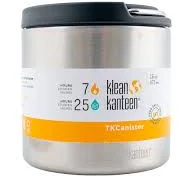
Klean Kanteen
Double Wall Vacuum Insulated Stainless Steel Food Canister Container with Leak Proof Lid
- Stainless steel body, silicone gasket lid seal
- The brand calls it PFAS-free, which we have not verified
- Silicone gasket degradation
3 hazards checked on this product, all on its full breakdown.
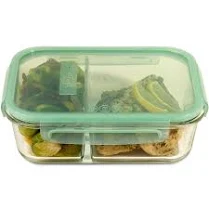
- borosilicate glass
- We found no PFAS statement from the brand
- Leaching from glass matrix or lid seals
2 hazards checked on this product, all on its full breakdown.
- stainless steel
- We found no PFAS statement from the brand
- Nickel leaching (from stainless steel alloy)
4 hazards checked on this product, all on its full breakdown.
More lunch boxes grades
How we score, every product runs through the same public 0-100 rubric based on materials, coatings, brand disclosure, lab findings, and recalls. See the full methodology → Spotted a mistake? Report an error.