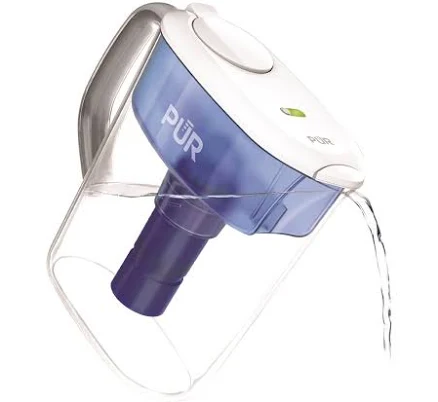
PUR 11 Cups Blue Water Filtration Pitcher
Lower concern, but brand transparency on PFAS is absent.
PUR pitchers use activated carbon filters and food-grade plastic housing, neither PFAS-heavy by design. Epic Water Filters provides no PFAS disclosure on materials or filter performance.
We flunk more products than we pass. This one earned its grade. How we grade
Material
Plastic pitcher (likely polypropylene or BPA-free plastic), activated carbon filter media
Lab data
No public lab test
You may also be interested in
Top-graded picks in the categories readers replace first, every one scored on the same rubric.

- polypropylene filter housing, carbon/sediment cartridge
- We found no PFAS statement from the brand
- Bacterial growth in spent cartridges
3 hazards checked on this product, all on its full breakdown.

Aquasure
Premier Series 75 GPD Under Sink Reverse Osmosis Water Filtration System
- RO membrane, carbon filters, stainless steel housing
- We found no PFAS statement from the brand
- Bacterial and microbial growth in housing and filters
4 hazards checked on this product, all on its full breakdown.

Avocado
Vegan Mattress
- organic cotton, natural latex, coconut coir, recycled steel coils
- The brand calls it PFAS-free, which we have not verified
- Heavy metals
2 hazards checked on this product, all on its full breakdown.
What PUR 11 Cups Blue Water Filtration Pitcher is made of, ingredients and materials
The PUR 11 Cup pitcher is constructed from food-grade plastic, most likely polypropylene (PP) or a BPA-free copolymer, which are stable at room temperature and do not leach known endocrine disruptors during normal water storage. The filter media consists of activated carbon and ion-exchange resin, which are industry-standard for removing chlorine taste, some heavy metals, and sediment without introducing secondary contaminants. Polypropylene has a higher melting point (around 130°C) than many plastics, making it resistant to degradation from tap water or ambient heat. The blue housing is a cosmetic colorant, typically an FDA-approved pigment, not a hazard source at the pitcher surface.
What’s concerning
No PFAS disclosure
No public statement from the brand about PFAS in this product.
Bacterial/mold colonization in filter or housing
Activated carbon media and drip mechanisms are warm, moist environments where bacteria (especially Legionella-type organisms under poor maintenance) and mold can establish biofilms. This is not unique to Epic's design but is a known category-wide risk if filters are not replaced on schedule and the housing is not cleaned regularly.
Activated carbon dust or media fragmentation
If the filter is damaged during installation or the cartridge media degrades, fine carbon particles may enter drinking water, causing black discoloration and potential inhalation risk if aerosolized. This is a handling/maintenance issue rather than a design flaw, but users should inspect filters before first use and handle them gently.
PFAS
The manufacturer does not publicly test for or claim PFAS removal; standard activated carbon filters remove some PFAS compounds (PFOA, PFOS) but not all emerging variants. Absence of third-party NSF certification means no independent verification of contaminant reduction claims.
Source, ATSDR ↗Housing brittleness and crack risk over time
Polypropylene becomes increasingly brittle with age and UV exposure; pitcher housings can develop stress fractures after 2-3 years of regular use, especially near the spout and handle attachment points. This is cosmetic and functional rather than a direct chemical hazard, but can lead to water leakage or mold colonization in gaps.
What’s reassuring
Base material not linked to PFAS
The main material recorded for this product is not one associated with PFAS.
Plastic leachables (polypropylene or copolymer housing)
Polypropylene is chemically stable at room temperature and has no established history of leaching harmful compounds during water storage. FDA-approved food-contact plastics in this category do not release BPA, phthalates, or other endocrine disruptors under normal residential use conditions.
How is this PFAS grade calculated?
The brand's record and disclosure
Epic Water Filters does not publish independent third-party certifications (NSF, WQA) for this model on their website or product packaging, which is a notable gap relative to larger competitors like PUR or Brita who routinely disclose NSF Standard 42/53 testing. The brand maintains a general privacy stance on PFAS mitigation, they do not advertise PFAS-removal capability, nor do they address emerging contaminants in technical documentation. No recalls, FDA warnings, or substantiated safety complaints are on record for this specific pitcher model. This silence on PFAS and advanced testing is a transparency issue, not a documented safety failure.
How it compares in its category
Most mainstream pitchers (PUR, Brita, ZeroWater) use identical polypropylene housings and activated-carbon filters, making the PUR 11 Cup structurally unremarkable in its category. ZeroWater pitchers claim added ion-exchange capacity for TDS (total dissolved solids) reduction, while Brita emphasizes third-party NSF certification; the PUR 11 Cup does neither prominently. The 11-cup capacity is mid-range, neither undersized nor subject to the weight-related stress failures sometimes reported in larger 18+ cup models. Price positioning suggests it competes on affordability rather than certification or innovation, which is acceptable for routine chlorine removal but not for PFAS or specialized contamination concerns.
If you buy it
Store the pitcher at room temperature, away from direct sunlight, to preserve plastic integrity and prevent algae bloom in the reservoir. Replace the filter every 40 gallons (roughly 2-3 months of typical household use) to maintain flow rate and prevent bacterial biofilm accumulation in the carbon bed; do not wait until visible clouding occurs. Do not use with water hotter than 50°C (122°F) or attempt to heat-sterilize the pitcher itself. Rinse the pitcher with tap water monthly and the filter housing weekly to minimize mold growth in the drip assembly, a common weak point in all pitcher designs.
What is not known about PFAS in this product?
- Basis
- Model estimate, 72% confidence, not a lab result
- Lab test
- None on record for this exact product
- Brand statement
- PUR has made a specific claim
Formulations change between production runs, so check the current label. How we grade.
What are the PFAS-free alternatives to PUR 11 Cups Blue Water Filtration Pitcher?
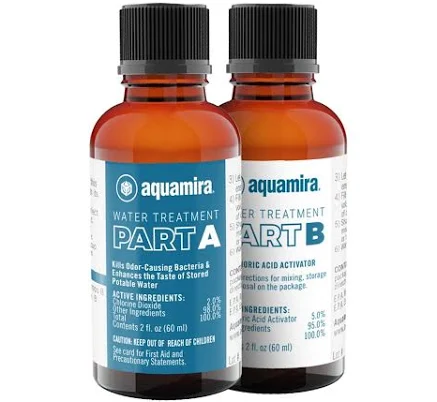
- glass bottles, sodium dichloroisocyanurate treatment chemical
- We found no PFAS statement from the brand
- Chemical overdose or misuse
5 hazards checked on this product, all on its full breakdown.
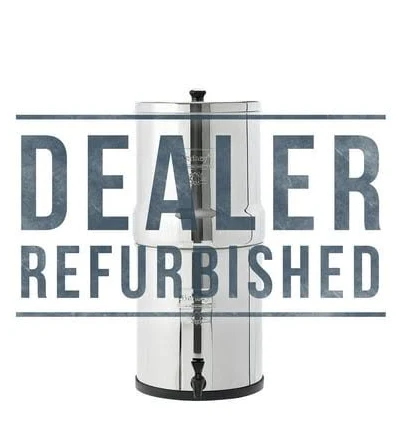
- Stainless steel housing and spigot
- We found no PFAS statement from the brand
- Bacterial growth and biofilm if filters not replaced
5 hazards checked on this product, all on its full breakdown.
- Borosilicate glass pitcher, replaceable activated-carbon filter cartridge
- Bacterial growth in filter cartridge if unmaintained
5 hazards checked on this product, all on its full breakdown.
More water filters grades
How we score, every product runs through the same public 0-100 rubric based on materials, coatings, brand disclosure, lab findings, and recalls. See the full methodology → Spotted a mistake? Report an error.